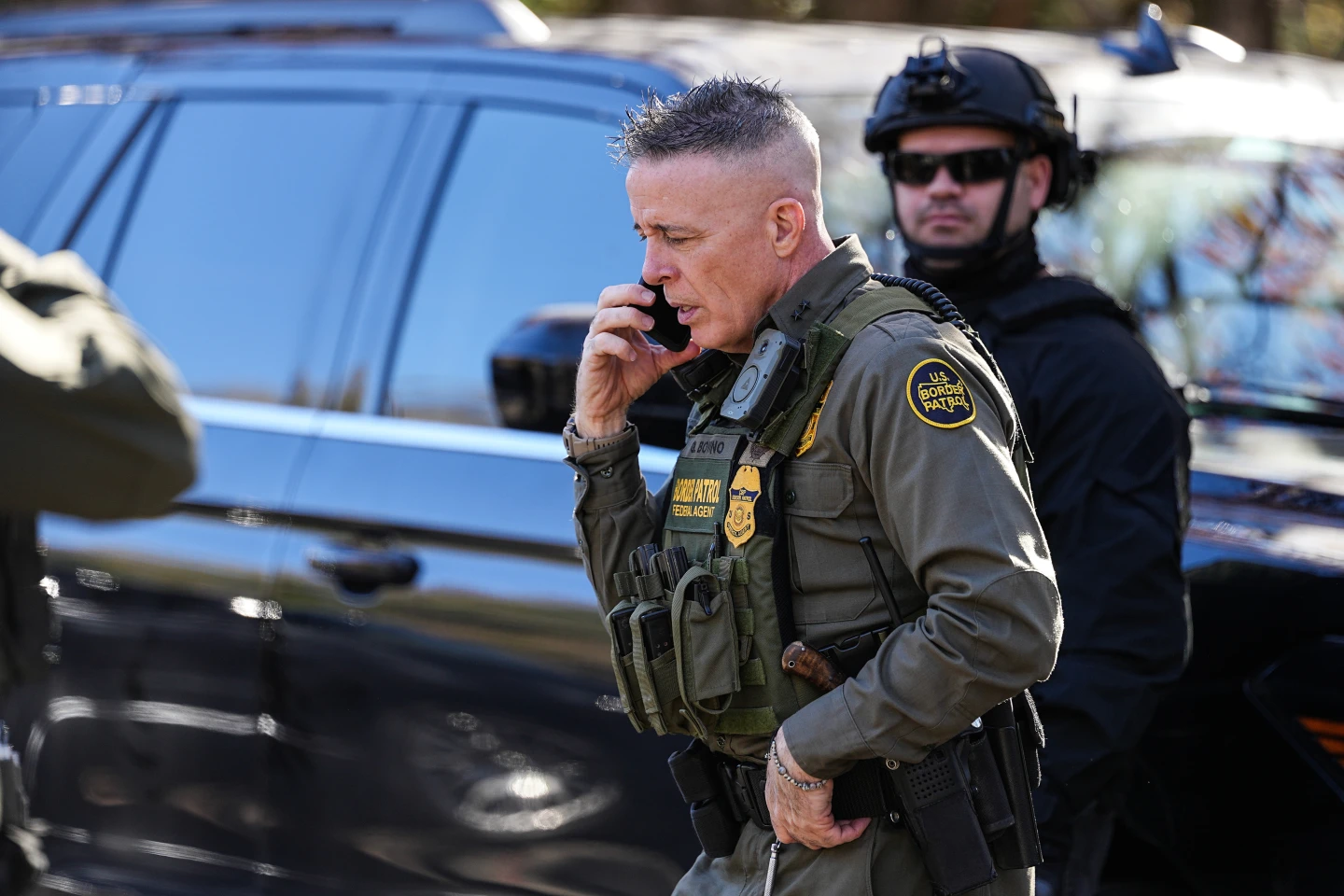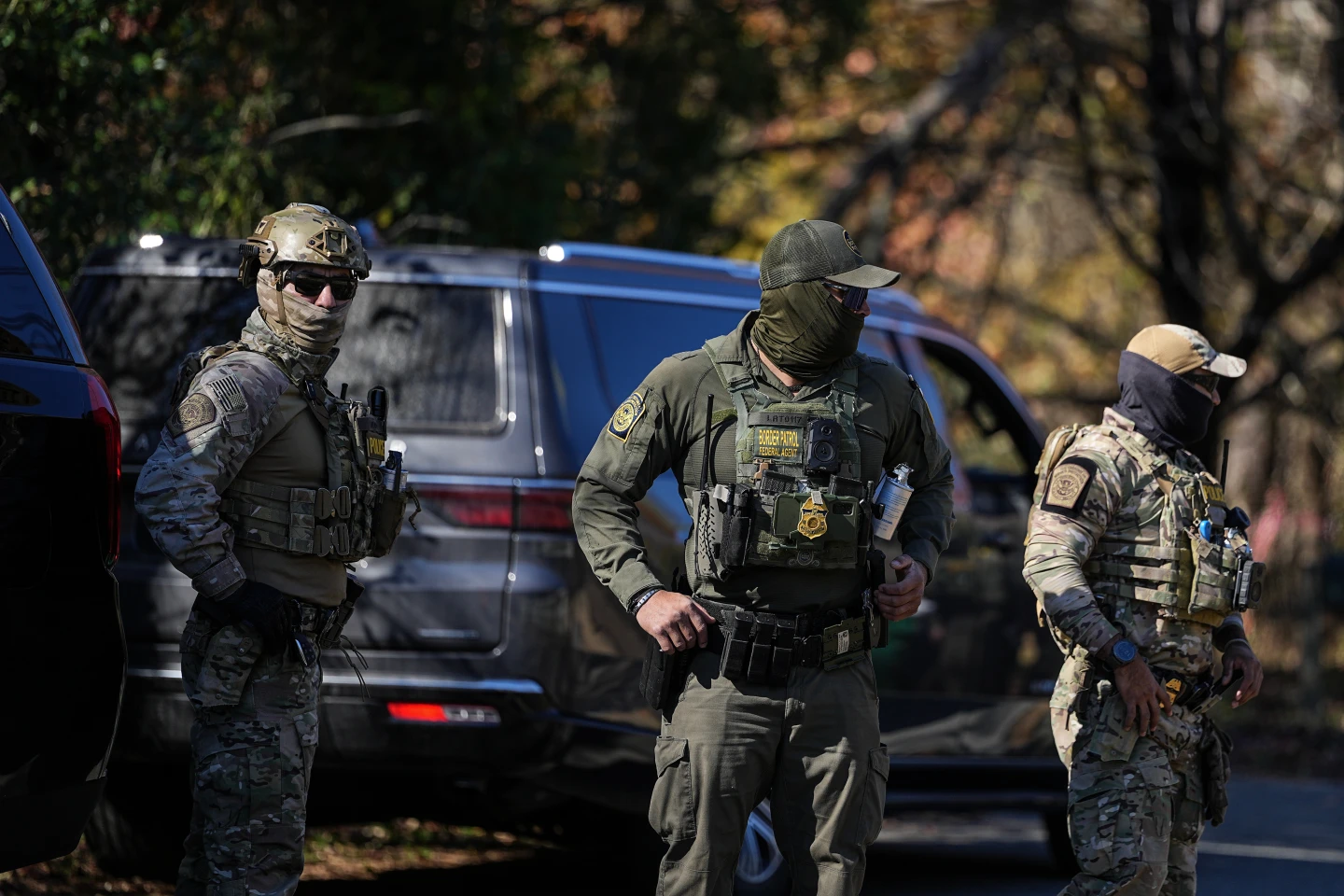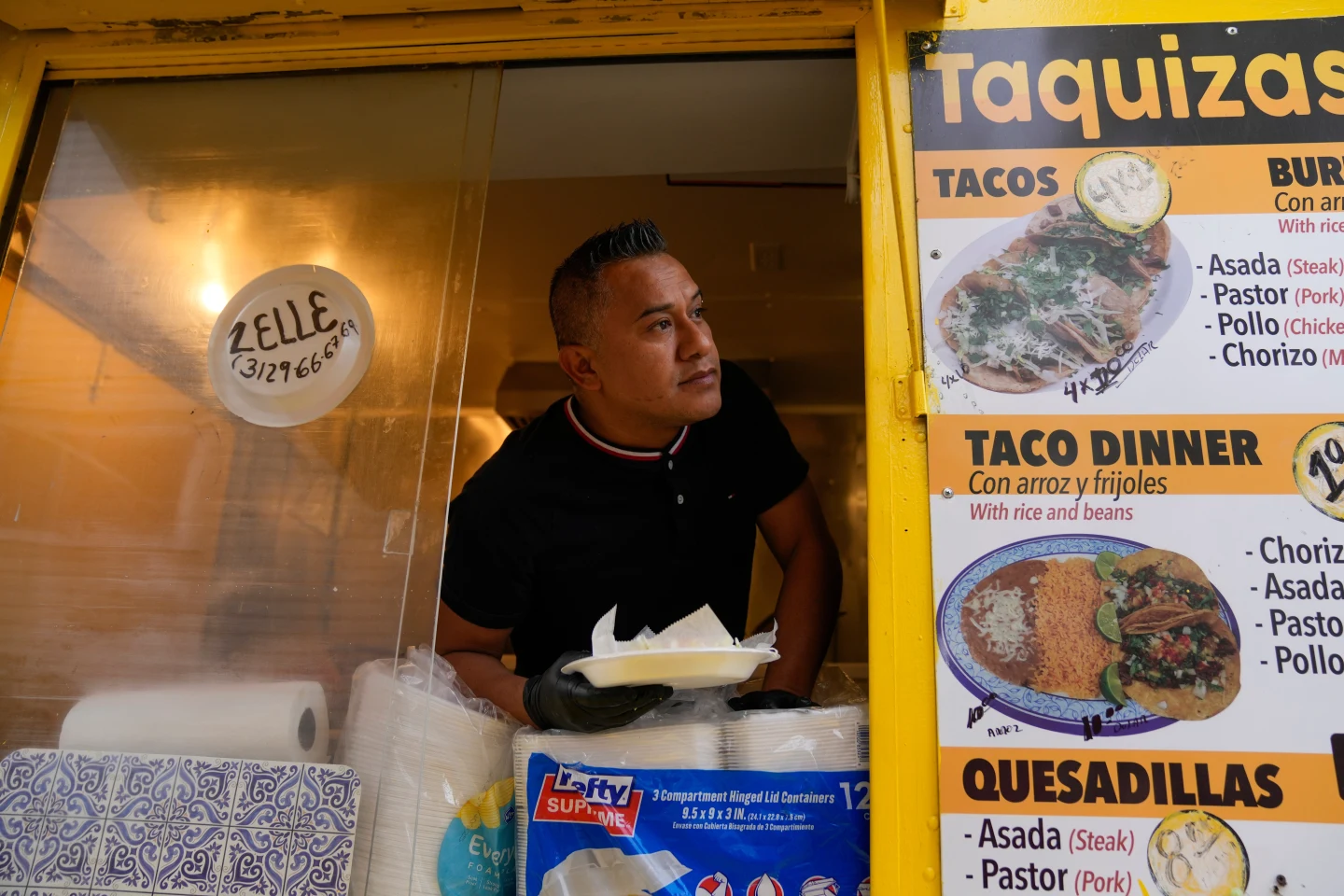
CHICAGO — On a recent Saturday morning, the large presence of immigration enforcement officers in Chicago’s Little Village did not deter Ofelia Herrera and her husband Rafael Hernandez from opening their food stand serving traditional Mexican dishes, even though they are undocumented immigrants.
For 18 years, the couple has operated their business amidst the vibrant tapestry of the Mexican immigrant community. Despite recent fears gripping this community due to an intensive immigration crackdown dubbed 'Operation Midway Blitz,' which began on September 8, Herrera and Hernandez refuse to alter their routine.
‘The only thing we can do is have faith in God and not be afraid,’ Herrera states emphatically, addressing the mental toll that fear can take on individuals. Many of their peers have chosen to stay home, paralyzed by anxiety and uncertainty over their legal status.
‘We know people who have fallen into depression,’ Hernandez shares, noting the stark contrast between their situation and that of their friends who remain indoors, frightened to face the streets.
Cultural Resilience Amidst Rising Tensions
The couple’s food stand radiates warmth, adorned with American flags and located in a bustling commercial area rich in Latino culture. Many visitors, including families traveling from neighboring states, flock to purchase authentic delicacies such as corn on the cob and hearty tacos.
While the atmosphere on 26th Street remains festive, the crackdown has evoked a grassroots movement among vendors who are advocating for support from the community to buy out those fearful of venturing outside their homes.
The couple’s lives have undergone significant change since the onset of the immigration blitz, with their sales reportedly plummeting by 75%. The fear of arrest hangs over them, reflected in the plethora of alerts on potential enforcement actions circulating on social networks.
Surviving in a Changing Landscape
Hernandez crossed the border in 2005, and Herrera followed the year before. They have worked tirelessly, taking steps to adapt by obtaining Illinois driver’s licenses and buying a distressed home in one of Chicago’s poorest neighborhoods. However, they remain aware of the harsh realities facing families in similar situations.
With community support, they strive to maintain a semblance of normalcy, serving customers in their community every day. Despite the profound stress of uncertainty regarding their future, Herrera and Hernandez exemplify resilience, demonstrating the strength of familial bonds and hope in the face of adversity.
While they have contemplated the possibility of obtaining legal status, the financial burden of legal fees seems insurmountable. They are determined to stay in Chicago for as long as they can, emphasizing their connection to the city and the lives they have built here.
As they navigate these trying times, the couple highlights a pressing need for greater understanding of the immigrant experience within broader societal discussions surrounding immigration policy. ‘We don’t want to go to Mexico, but if we must, we will,’ Herrera states, reiterating the difficult choices confronted by many in their position.