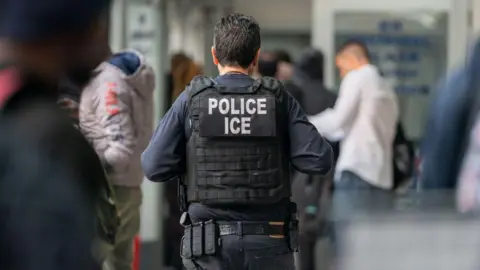
CHICAGO (Echosphere.news) — A significant ruling from the 7th U.S. Circuit Court of Appeals has temporarily halted an order originally aimed at restricting the use of force by federal immigration agents operating in the Chicago region. The court termed the previous order from U.S. District Judge Sara Ellis as 'overbroad' and 'too prescriptive,' leading to questions about its implications for law enforcement practices.
This development occurs amidst ongoing debates about immigration enforcement practices, with the court's decision suggesting a potential for a more tailored approach to the situation. The appeals court encouraged a quick appeal process, which may yield a ruling that balances enforcement needs with civil liberties.
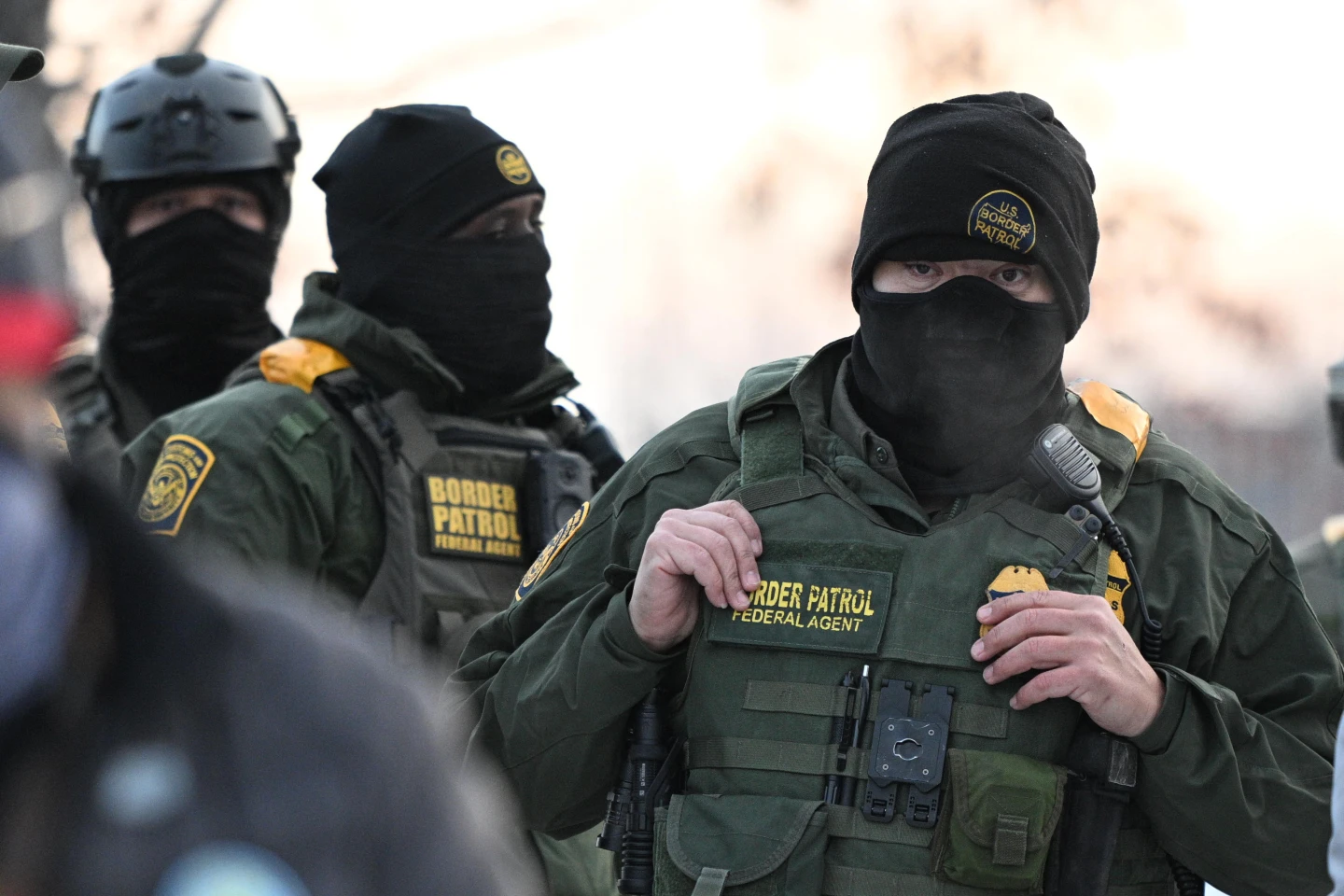
Earlier in the month, Judge Ellis had issued a preliminary injunction in response to lawsuits filed by various media outlets and protest groups claiming that federal officers employed excessive force during immigration crackdowns that resulted in thousands of arrests across the city since the start of the enforcement campaign.
Government representatives countered that Ellis's injunction stymied lawful enforcement actions, jeopardizing the constitutional framework of these operations.
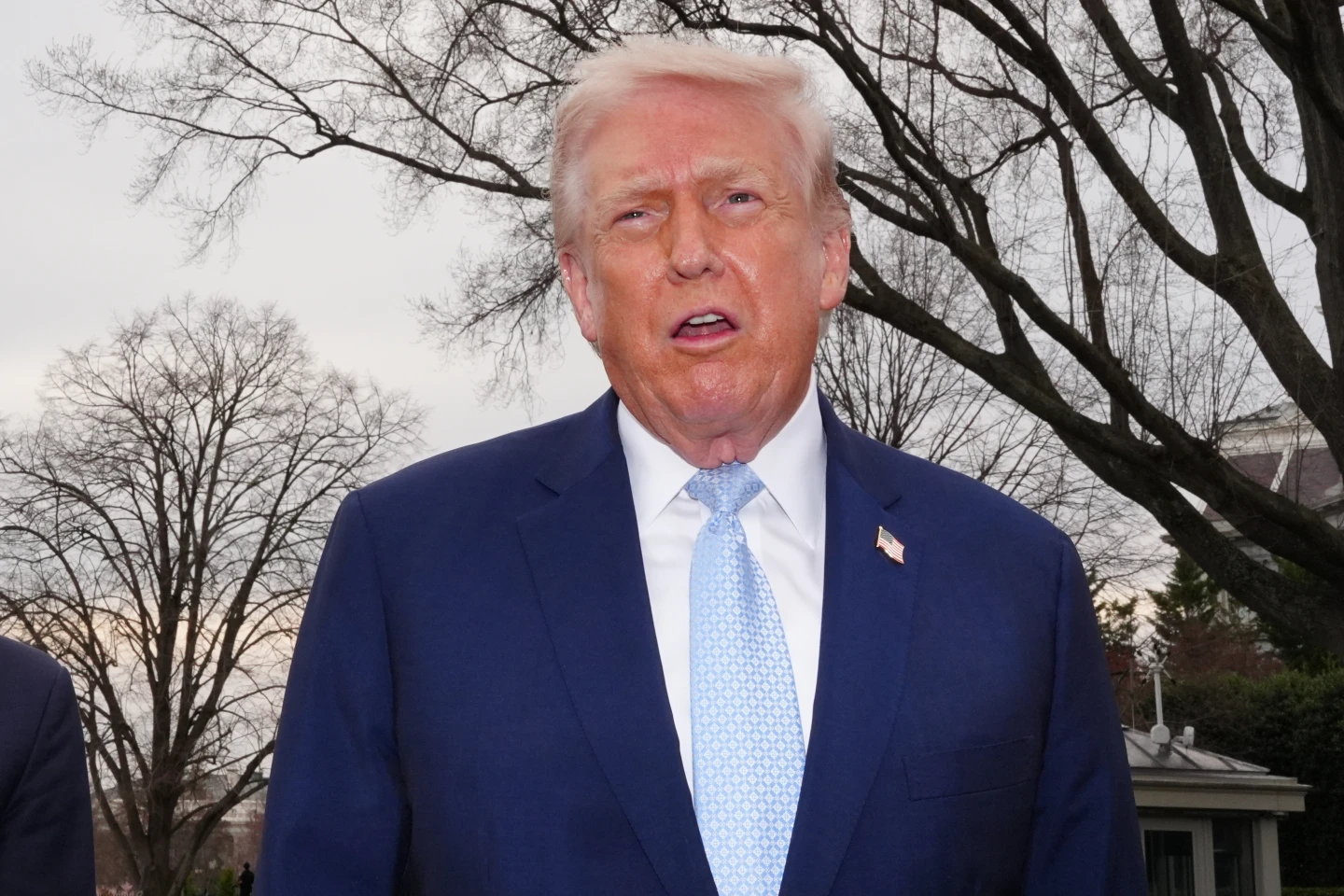
The three-judge panel emphasized that the scope of Ellis's order reached an excessive range of defendants, including significant figures such as the President of the United States, and various governmental departments. They remarked that it also resembled a kind of federal regulation, particularly with its detailed restrictions on riot control tools and agents’ operations.
Ellis's original order limited the use of physical force and chemical agents without a clear imminent threat, aligning with concerns that current practices unduly infringe on rights held by journalists and activists.
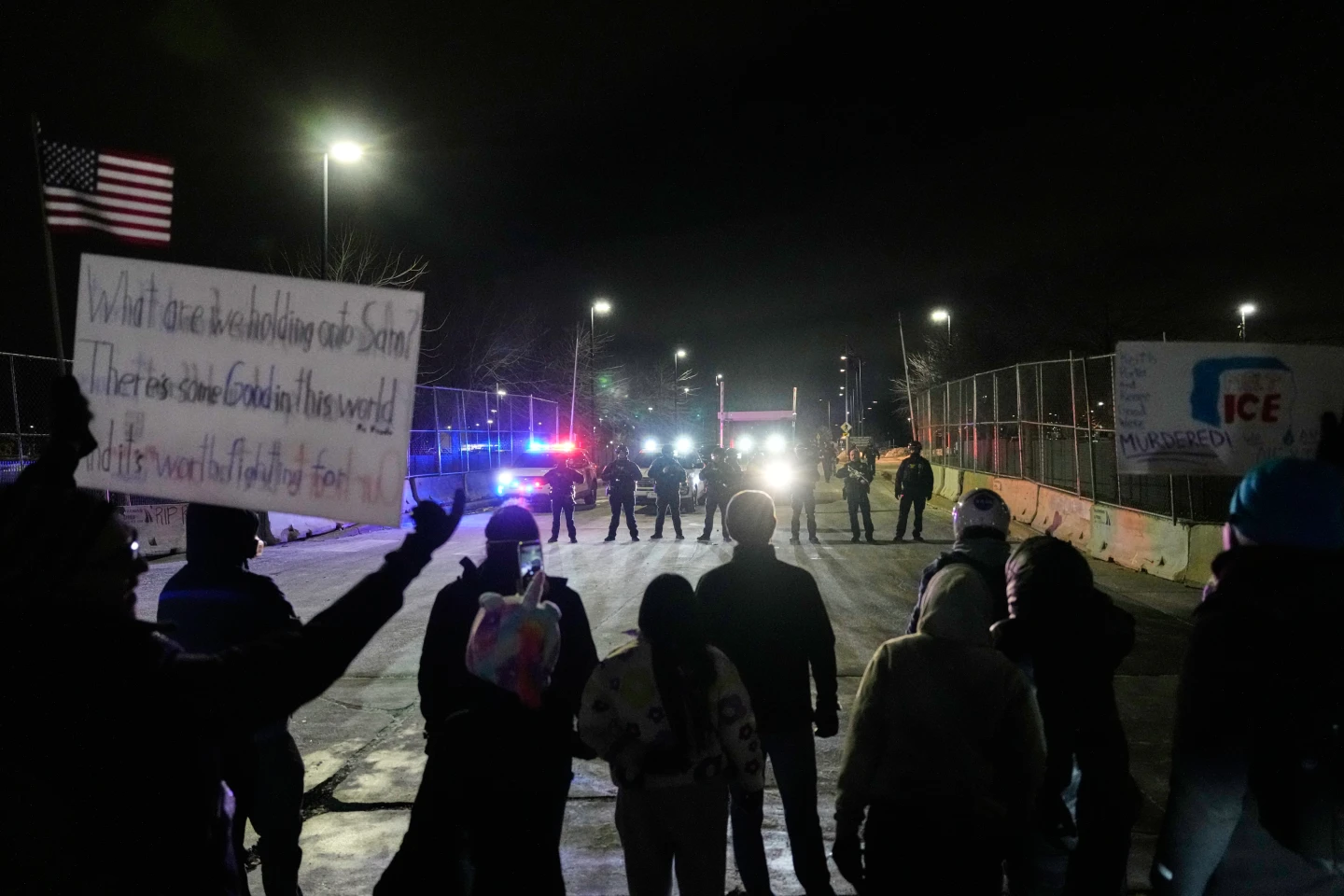
In public testimonials before the ruling, participants recounted harrowing experiences of exposure to tear gas and the aggressive use of force during peaceful demonstrations. The controversies surrounding these federal operations have prompted numerous legal challenges, including reports of inhumane conditions at the local federal immigration center.
As this legal situation unfolds, it remains to be seen how future rulings will shape the operational landscape for immigration enforcement in Chicago and nationwide, particularly as federal agents prepare for deployment in different regions amidst these heated circumstances.