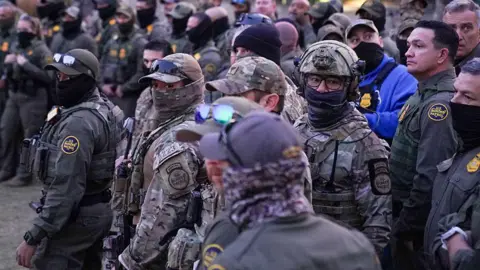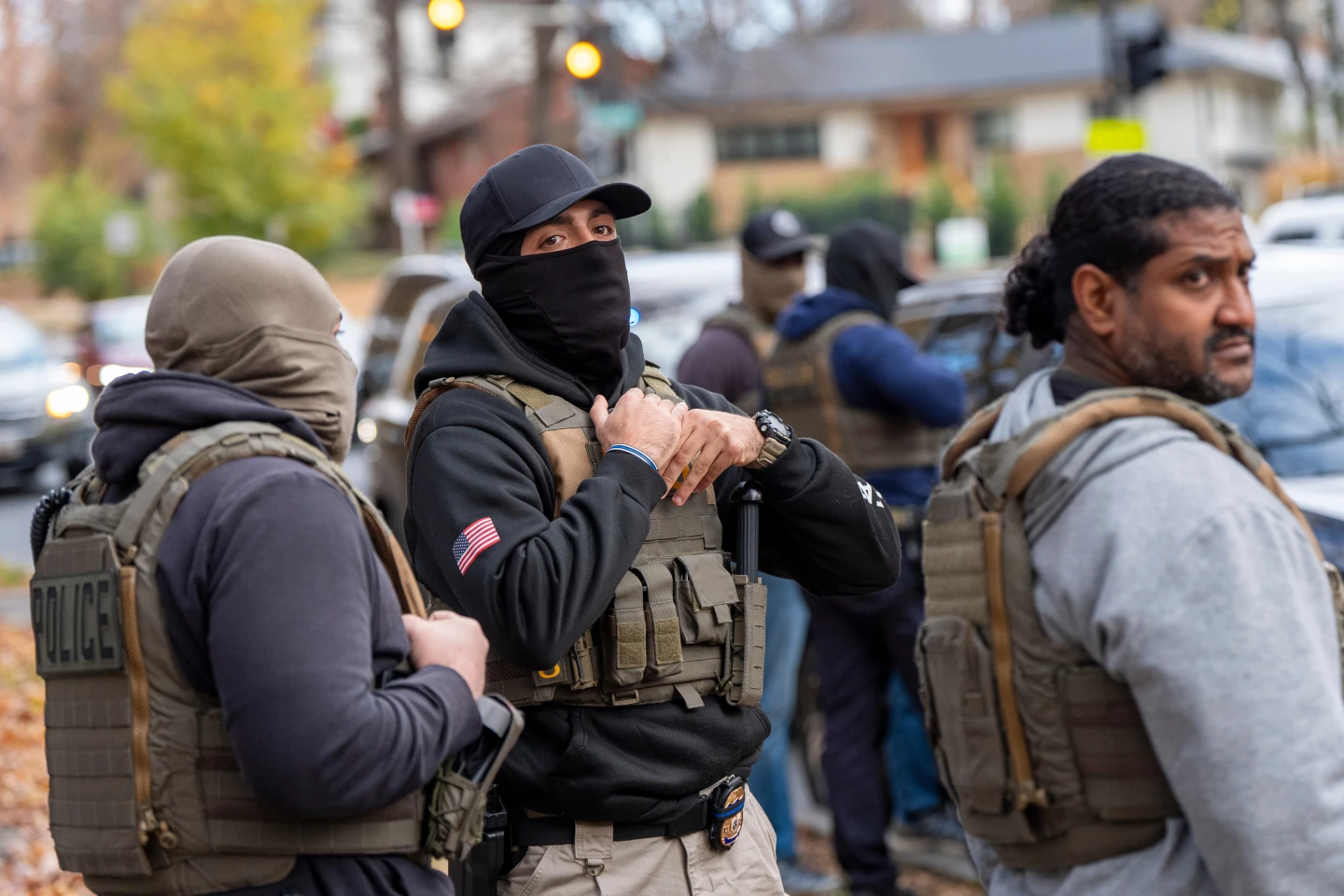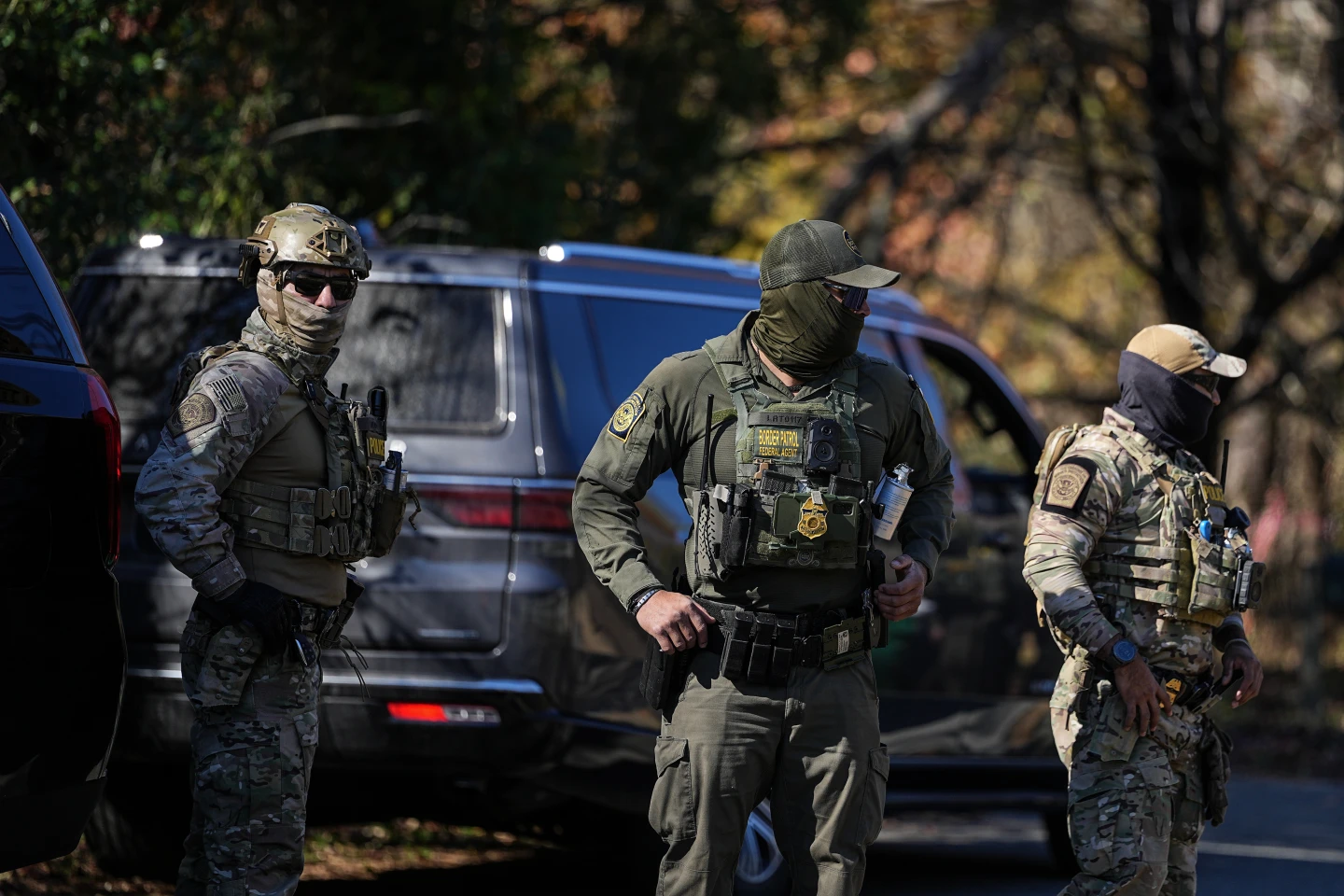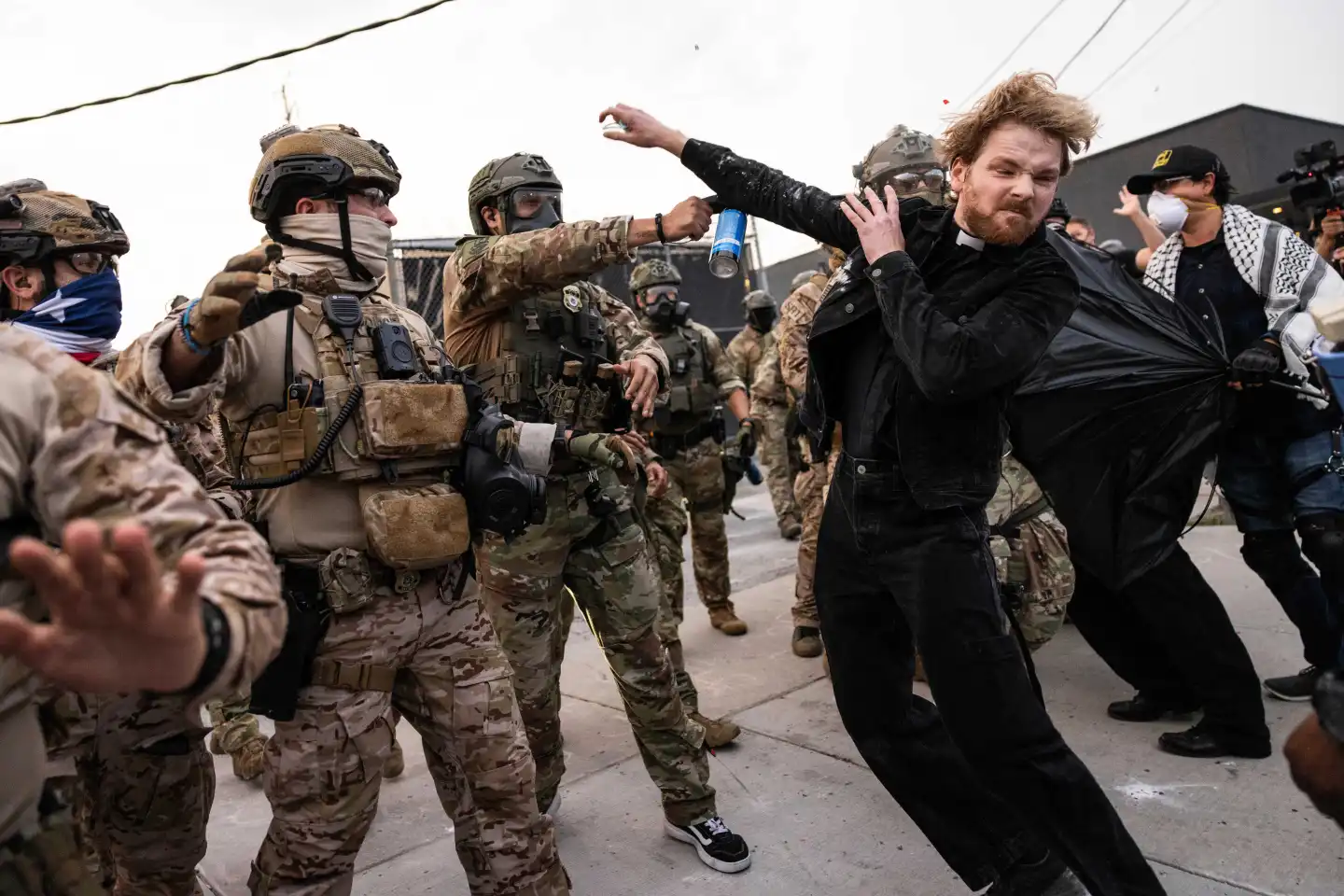
CHICAGO — In a landmark ruling, U.S. District Judge Sara Ellis has exposed the harsh realities of federal agents' excessive force during a controversial immigration crackdown in Chicago known as 'Operation Midway Blitz.' A detailed 223-page opinion, released Thursday, draws from body camera footage to illustrate alarming incidents of violence against protesters and journalists.
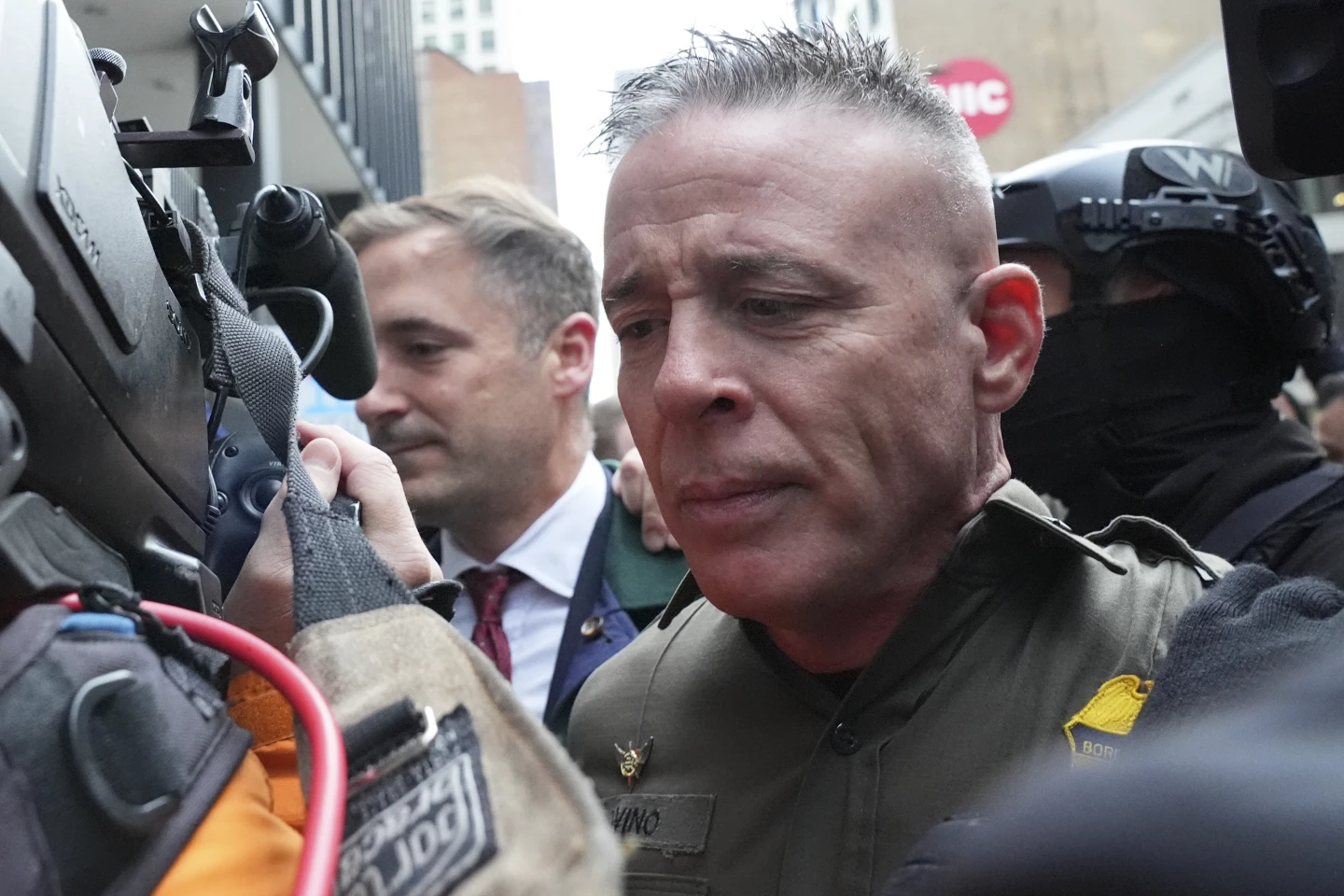
The opinion reveals that during the operations, federal agents displayed a shocking lack of restraint, deploying tear gas indiscriminately and firing rubber bullets into crowds without warning. Judge Ellis scrutinized the government’s justifications, finding that the use of such tactics were not only excessive but were also often employed with a troubling sense of impunity as agents were caught laughing and joking while inflicting harm.
Among the striking revelations, Ellis highlighted episodes where agents shot flash-bang grenades at fleeing protesters and neglected to follow court orders limiting the use of force. Her review raises fundamental concerns about the constitutional rights of citizens, emphasizing that many of the actions taken by federal agents during the crackdown were a gross violation of both ethical policing standards and legal mandates.
Judge Ellis expressed her surprise at the evidence presented by federal officials, which contradicted their public narratives. This led to a preliminary injunction restricting federal agents from using physical or chemical force unless absolutely necessary, a ruling that a federal appeals court temporarily halted, stating it was overly broad.
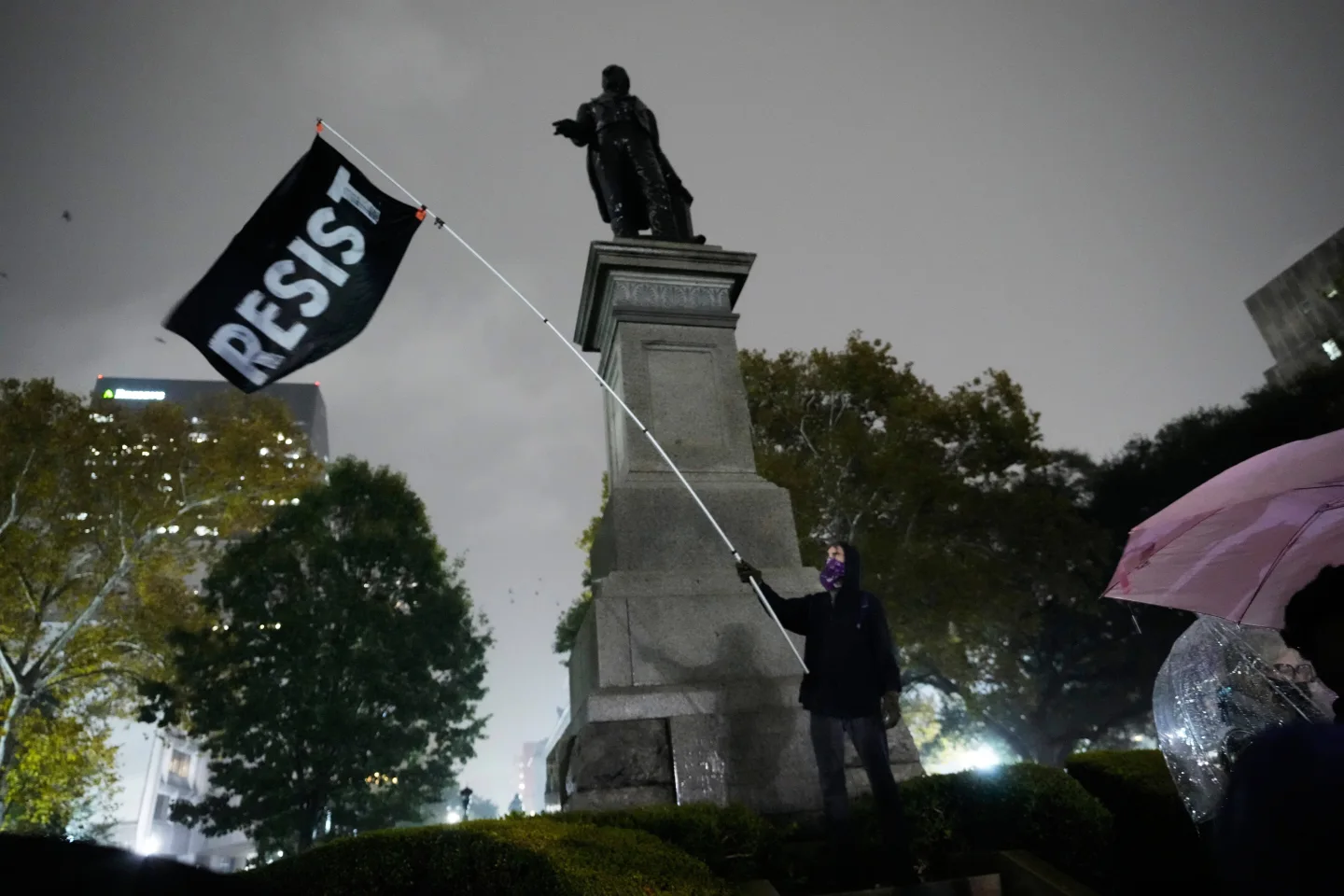
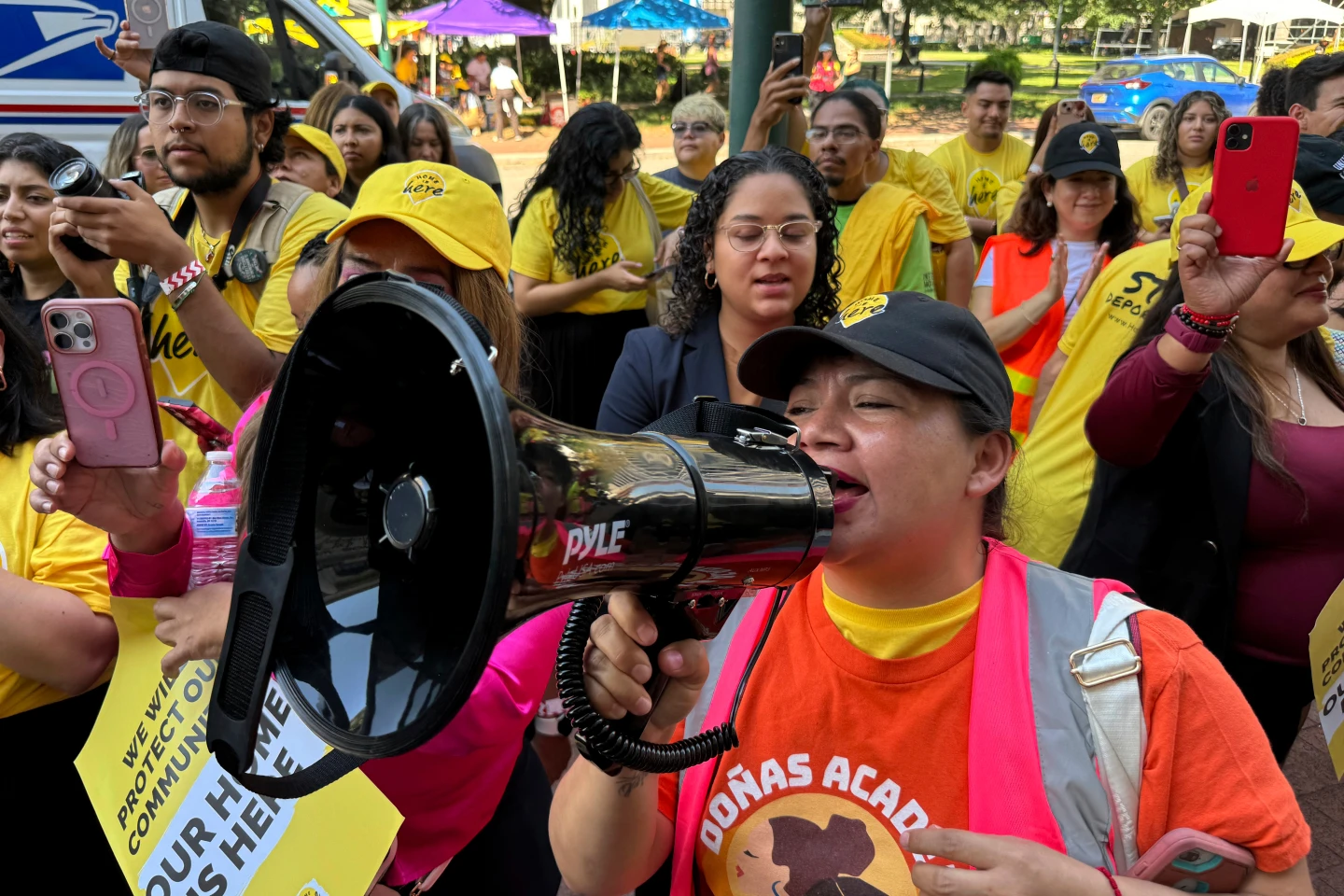
Ellis’s insistence on police accountability strikes a chord as the Chicago community grapples with the implications of these actions. She portrayed the city not as one ravaged by chaos, but as vibrant communities standing together in solidarity against what they claim to be unjust immigration enforcement. In an inspiring note, the judge commended local residents for their efforts in documenting events and providing support for those affected.
The fallout from this ruling will likely continue as legal battles unfold and public scrutiny of federal immigration practices intensifies, raising critical questions about how authorities can engage communities without resorting to violence.