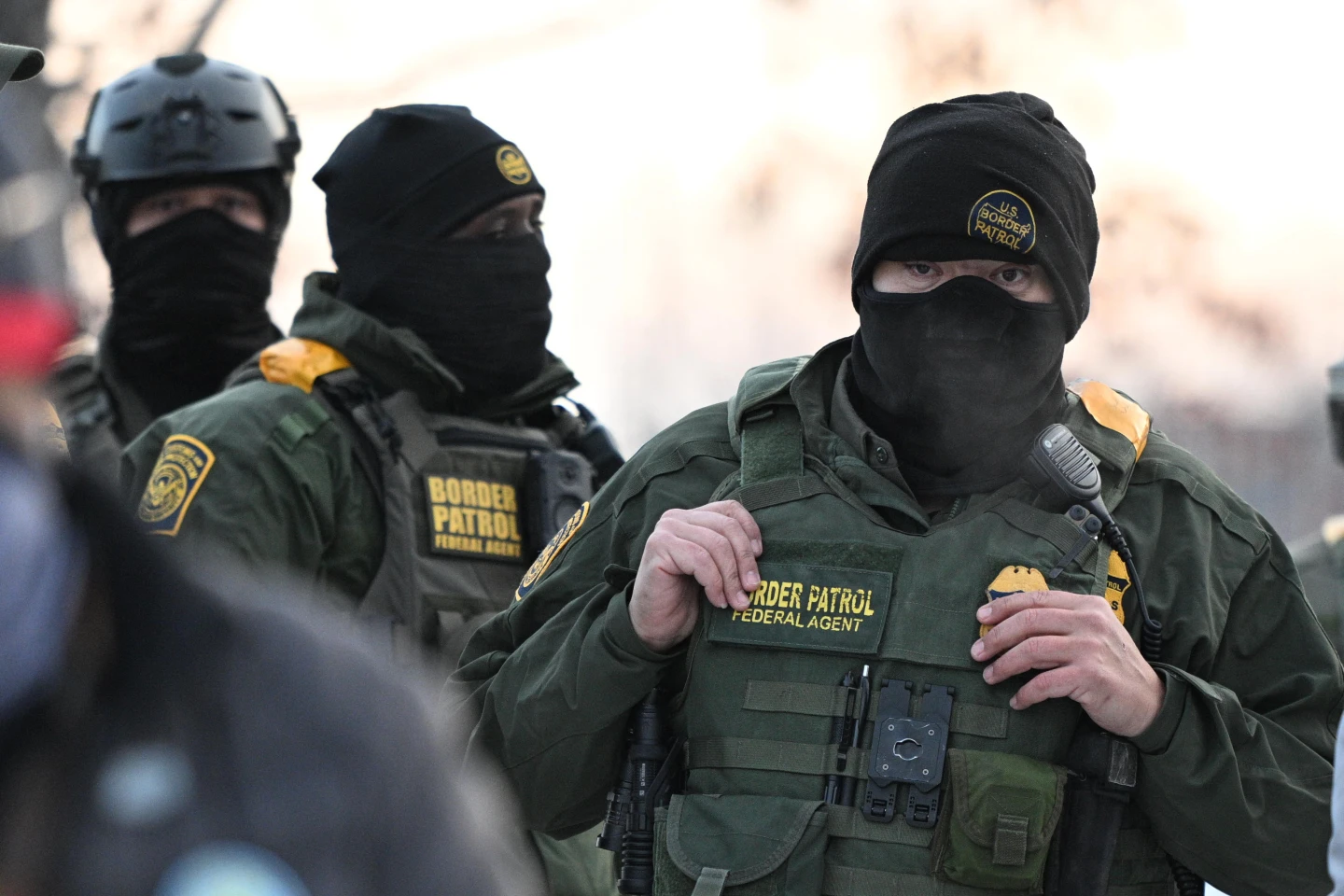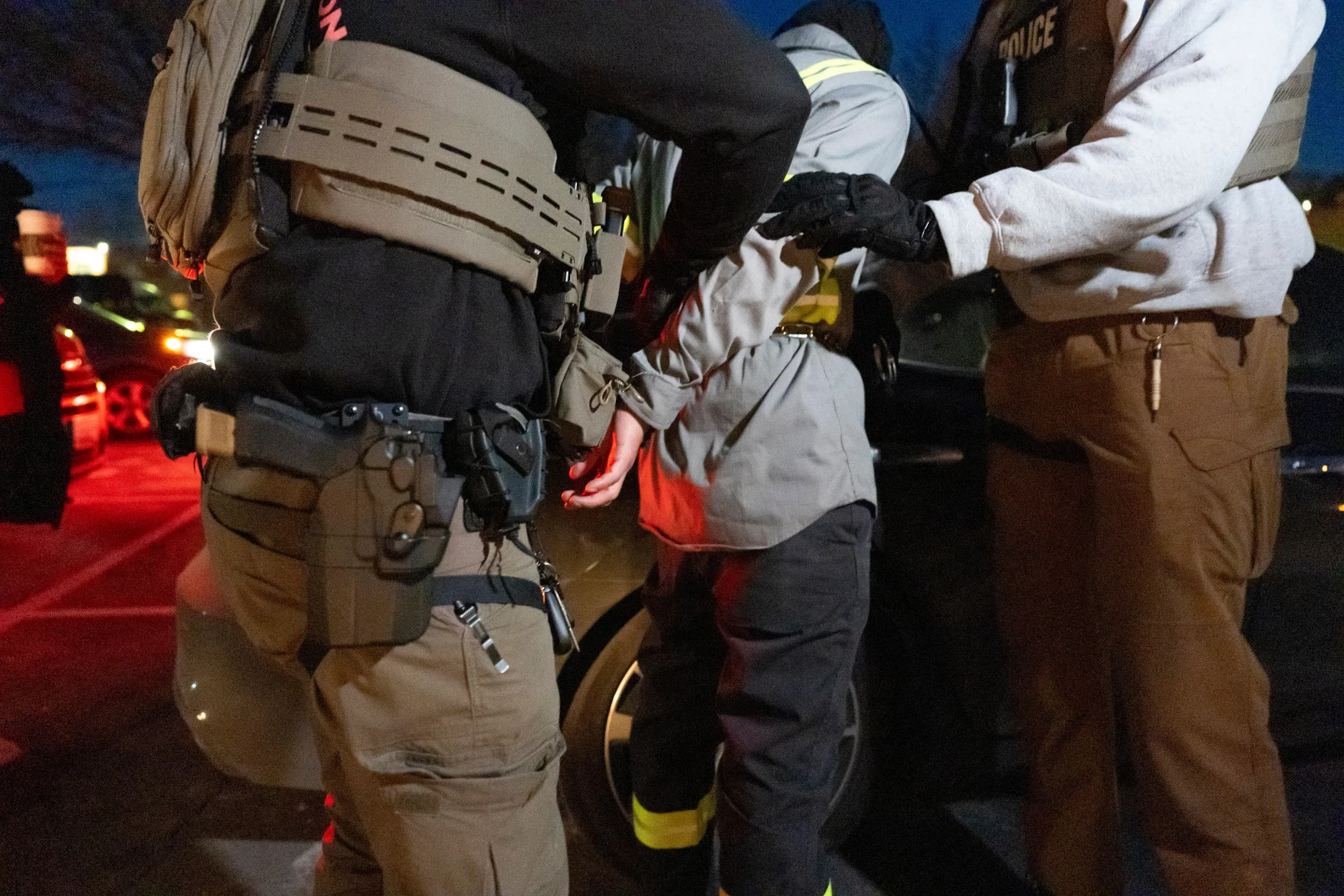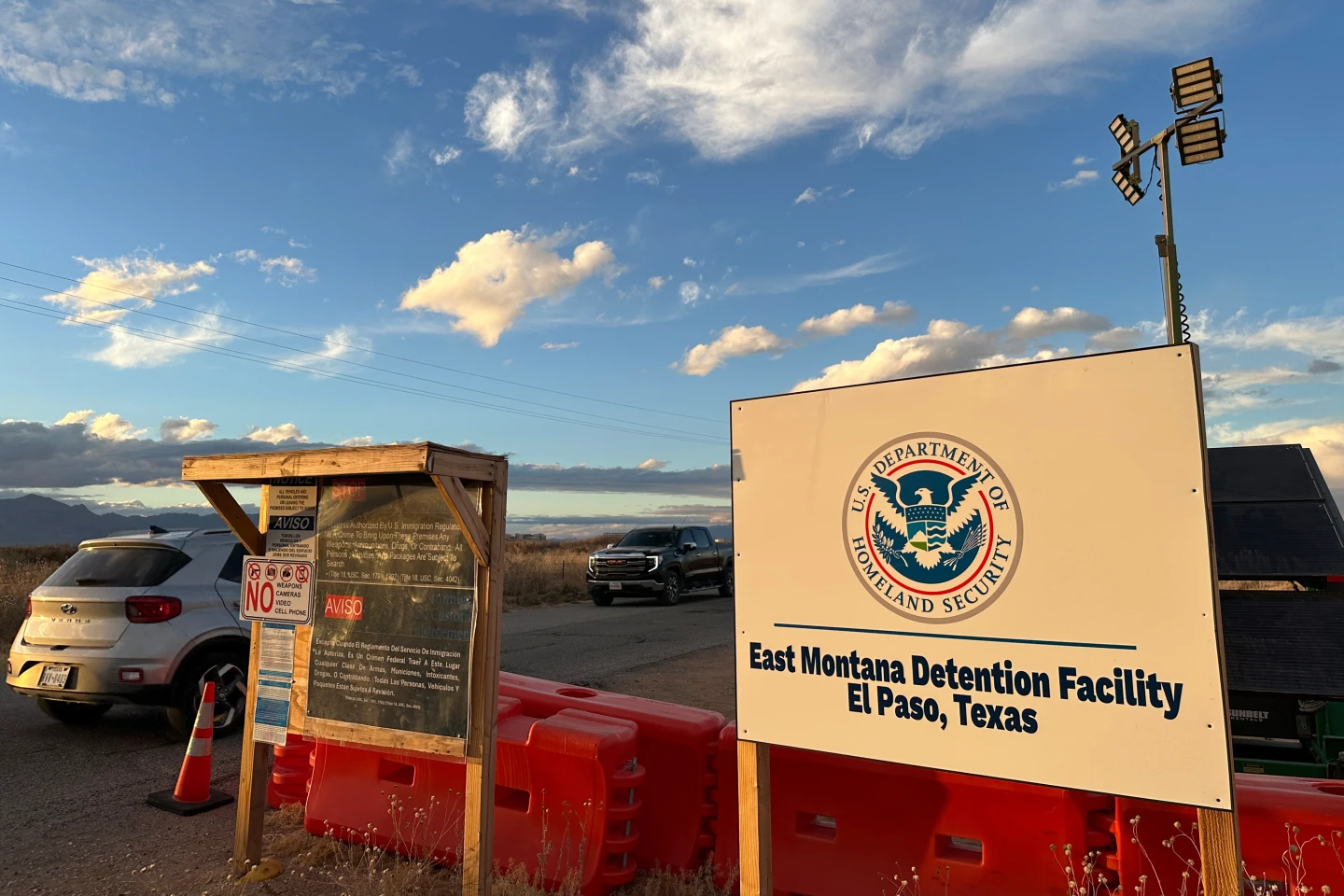
Federal authorities are preparing a targeted immigration enforcement operation in Minnesota, primarily focusing on Somali immigrants living unlawfully in the U.S. This operation coincides with President Trump's intensified rhetoric regarding the state's Somali community, which has sparked significant concern among local residents and leaders.
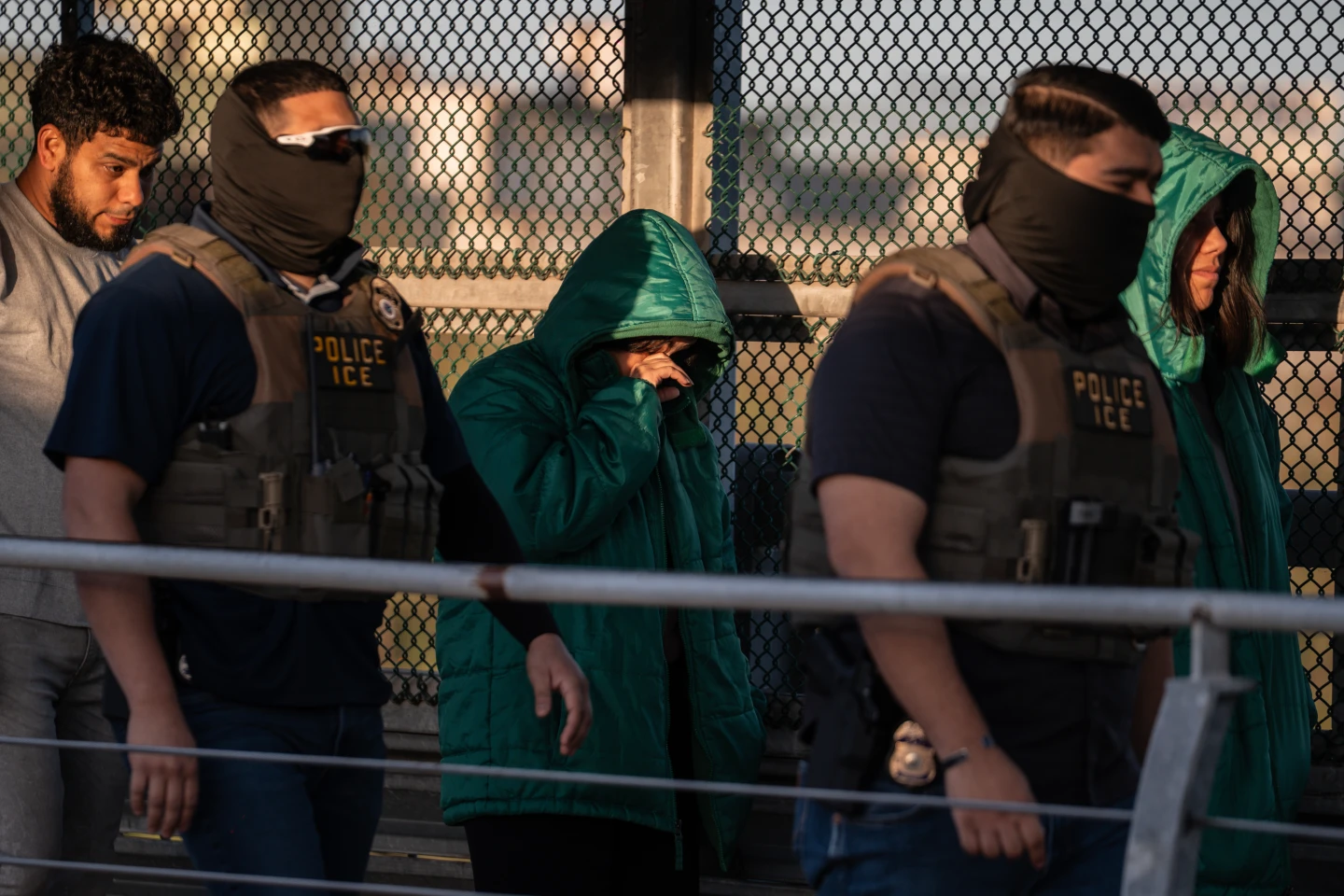
The enforcement operation could begin in the coming days and will likely concentrate on individuals with final orders of deportation in the Minneapolis-St. Paul area. Immigration agents are expected to conduct a high-priority sweep, despite the plans being subject to change.
This forthcoming operation may heighten existing tensions in Minnesota, where Trump's recent comments about Somali immigrants, claiming they “have caused a lot of trouble,” have been interpreted as incendiary by community advocates. Local leaders have expressed that such language inflames prejudice and revives fears of racial profiling within their community.
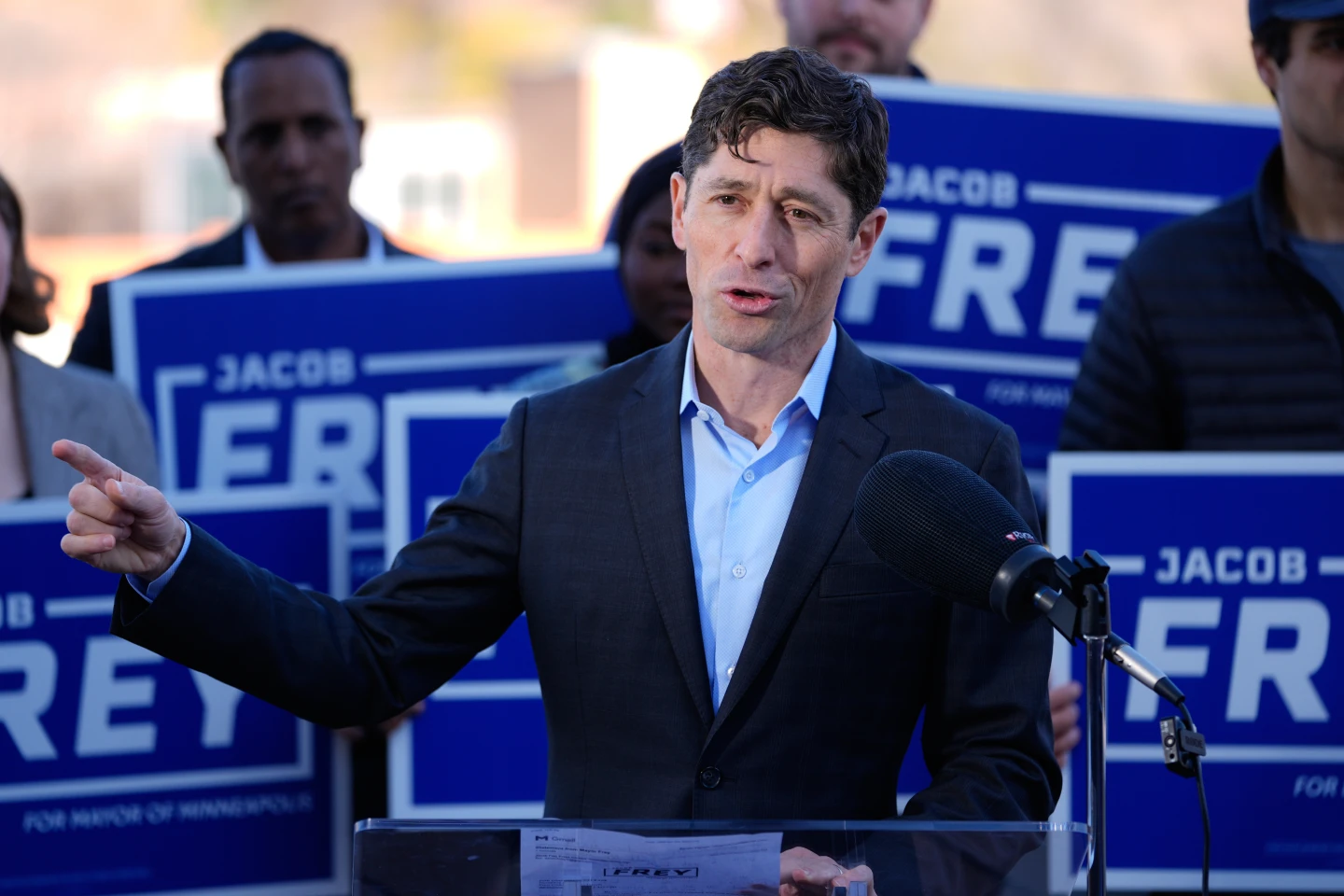
Amidst these developments, Minneapolis Mayor Jacob Frey stated that city police officers, many of whom are of Somali descent themselves, will not cooperate with federal immigration enforcement. He asserted that targeting individuals based on their appearance would violate due process rights and could lead to wrongful detentions of lawful U.S. citizens.
Trump's recent remarks included a blanket condemnation of Somali immigrants, suggesting they are ‘reliant on social services’ and contribute little to society. This narrative has led to widespread apprehension among Minnesota’s Somali community, which is already under distress due to the potential raid plans.
Community leaders assert that nearly 95% of the Somali population in Minnesota are U.S. citizens, many born and raised in the state. They argue that the administration's focus on their community is politically motivated and detrimental to the safety and unity of Minnesota's immigrant populations.
Local activists worry that the operation will not only affect those targeted but will also create an atmosphere of fear that extends to all immigrants. This sentiment echoes historical patterns where one ethnic group's actions result in collective blame, showcasing a perilous intersection of immigration policy and community relations.
As preparations for the immigration operation proceed, community leaders are uniting to advocate for legal protections and to challenge the divisive narratives propagated by federal officials. They emphasize the importance of solidarity and resistance against overt discrimination, insisting that every individual deserves dignity and respect regardless of their immigration status.