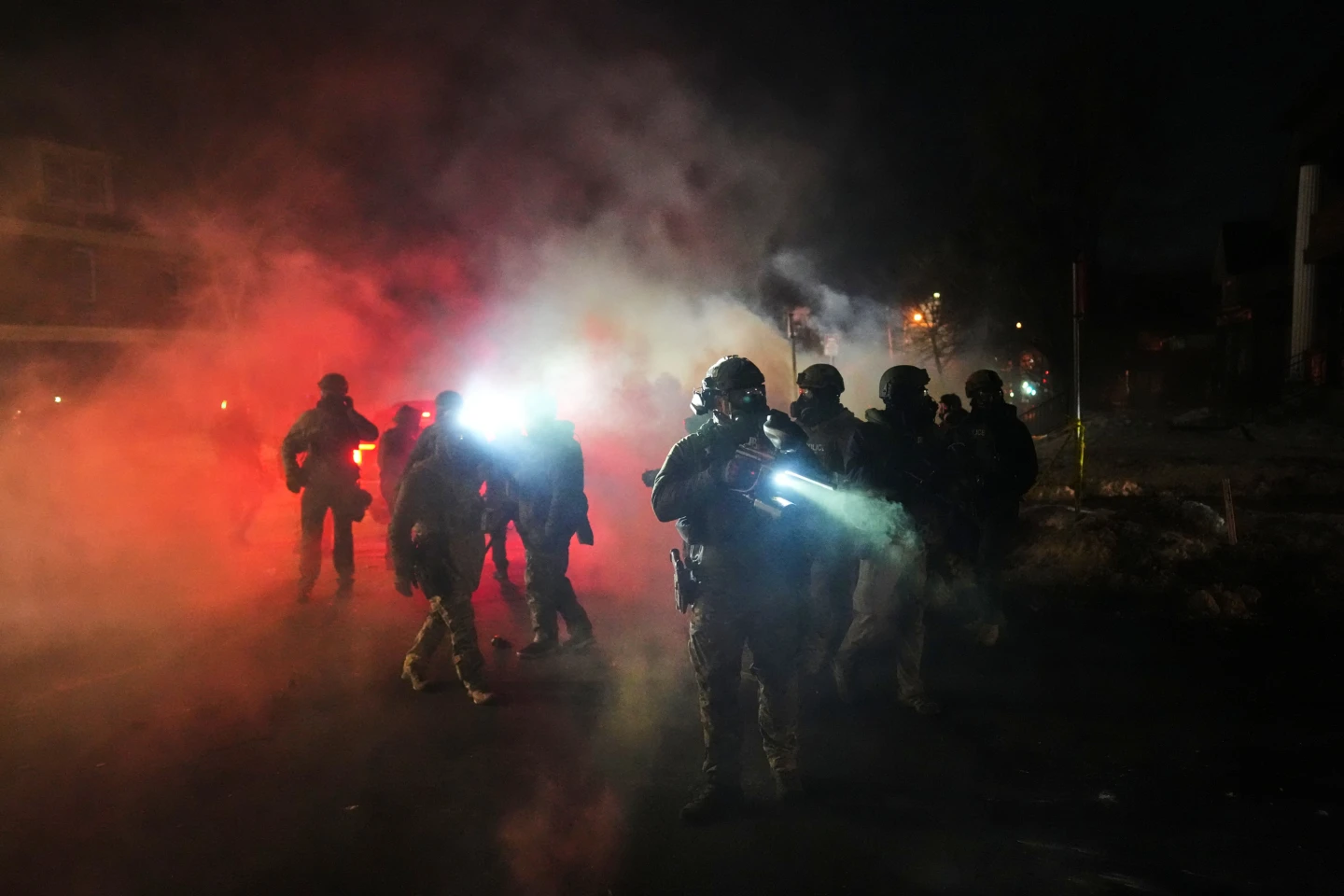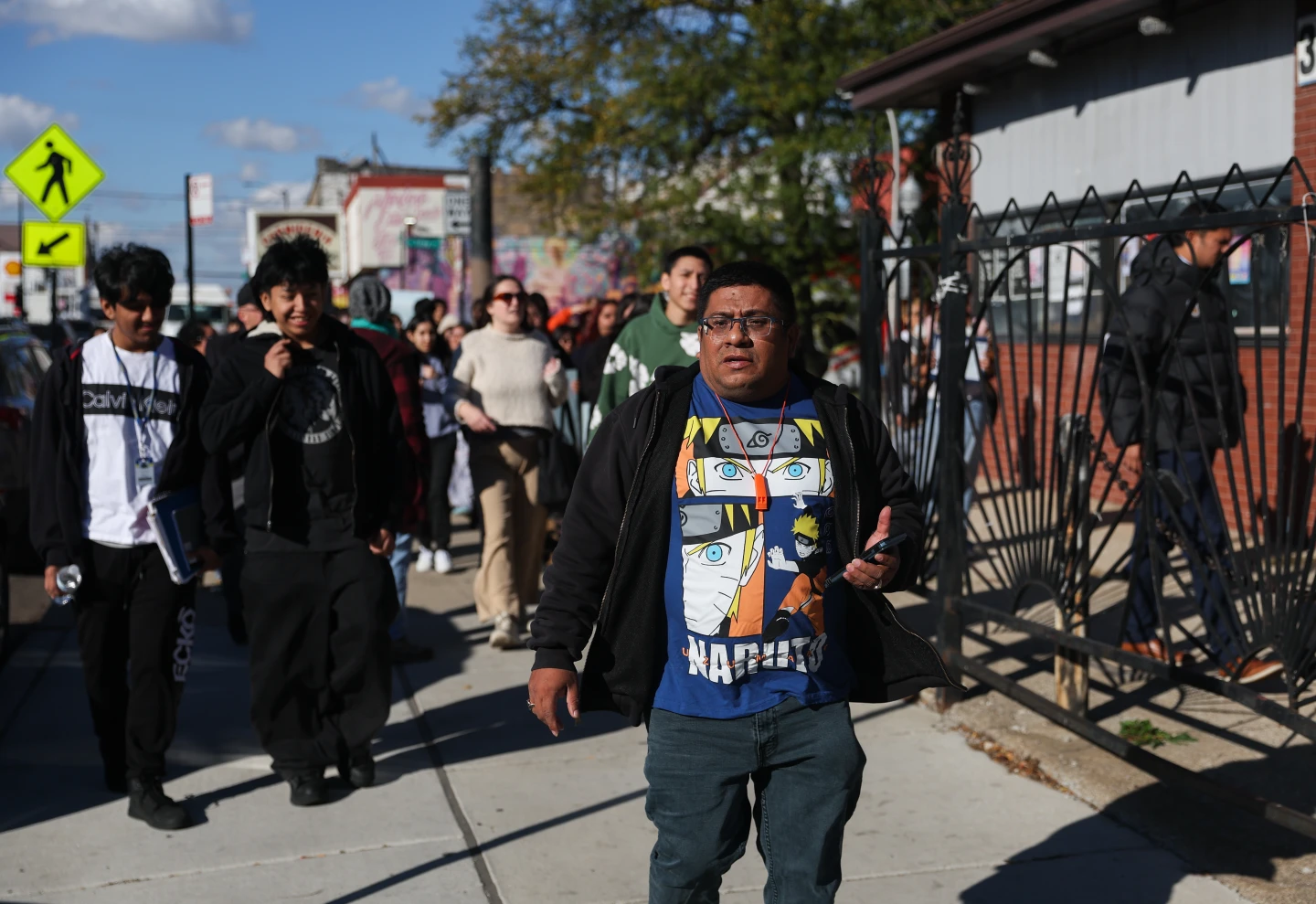
CHICAGO (Echosphere News) — In the heart of Chicago’s Little Village, a community is coming together in the face of an aggressive federal immigration crackdown. Activist Baltazar Enriquez leads daily patrols to alert local residents about immigration agents targeting their predominantly Mexican neighborhood.
With an orange whistle hanging from his neck, Enriquez utilizes social media to inform thousands of followers of any suspicious activity, stating, 'We’ve got to get ready.' As the crackdown continues, residents from various backgrounds are mobilizing in response to what they describe as a racist federal intrusion.
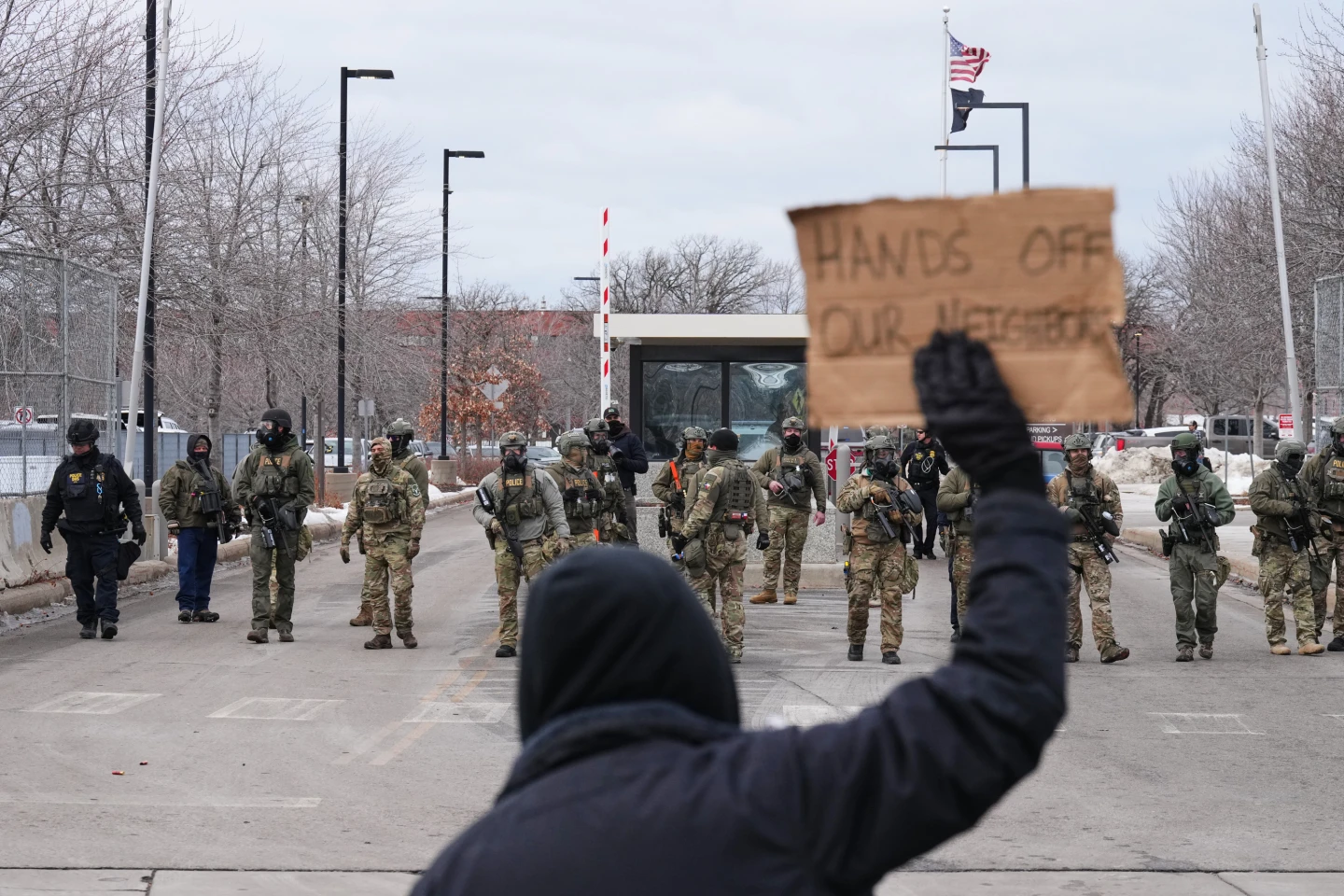
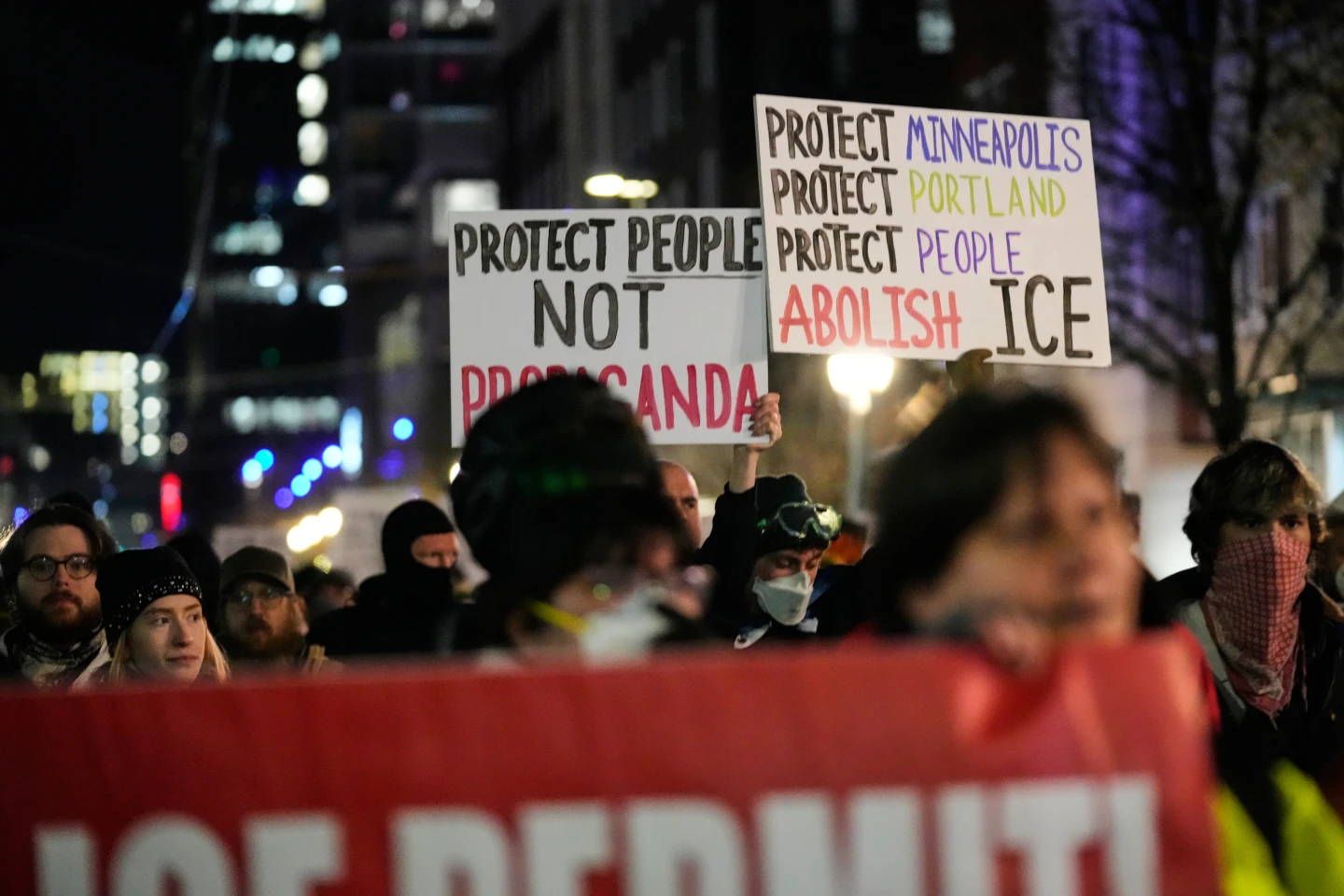
Activism in Chicago is manifesting in various forms, from community patrols and school escorts to campaigns that support vulnerable groups and local businesses. The strategy is clear: assert community rights and resist intimidation tactics from federal agents.
The sounds of protest, especially those of whistles, have become synonymous with this resistance. They serve to warn others and attract attention during ICE operations. Enriquez emphasizes that their only weapons are these whistles, which have proven effective in discouraging unlawful arrests.
Despite the risks of confrontation, community members remain undeterred. Organizations like the Little Village Community Council have grown in membership, and the public spirit of support remains strong, reminiscent of Chicago’s cultural roots of neighborly cooperation.
Grassroots coordinators are utilizing community solidarity for significant mobilization efforts, such as buying out local vendors’ goods to guard them against immigration checks. Activism has reached schools, where students have staged walkouts to protest the federal actions impacting families and friends.
As federal enforcement efforts remain intense—leading to thousands of arrests—the community’s resilience is not only an emotional response but a powerful mobilization of resources. Activists are disseminating knowledge on rights and rallying support beyond city lines, with interest growing in other states.
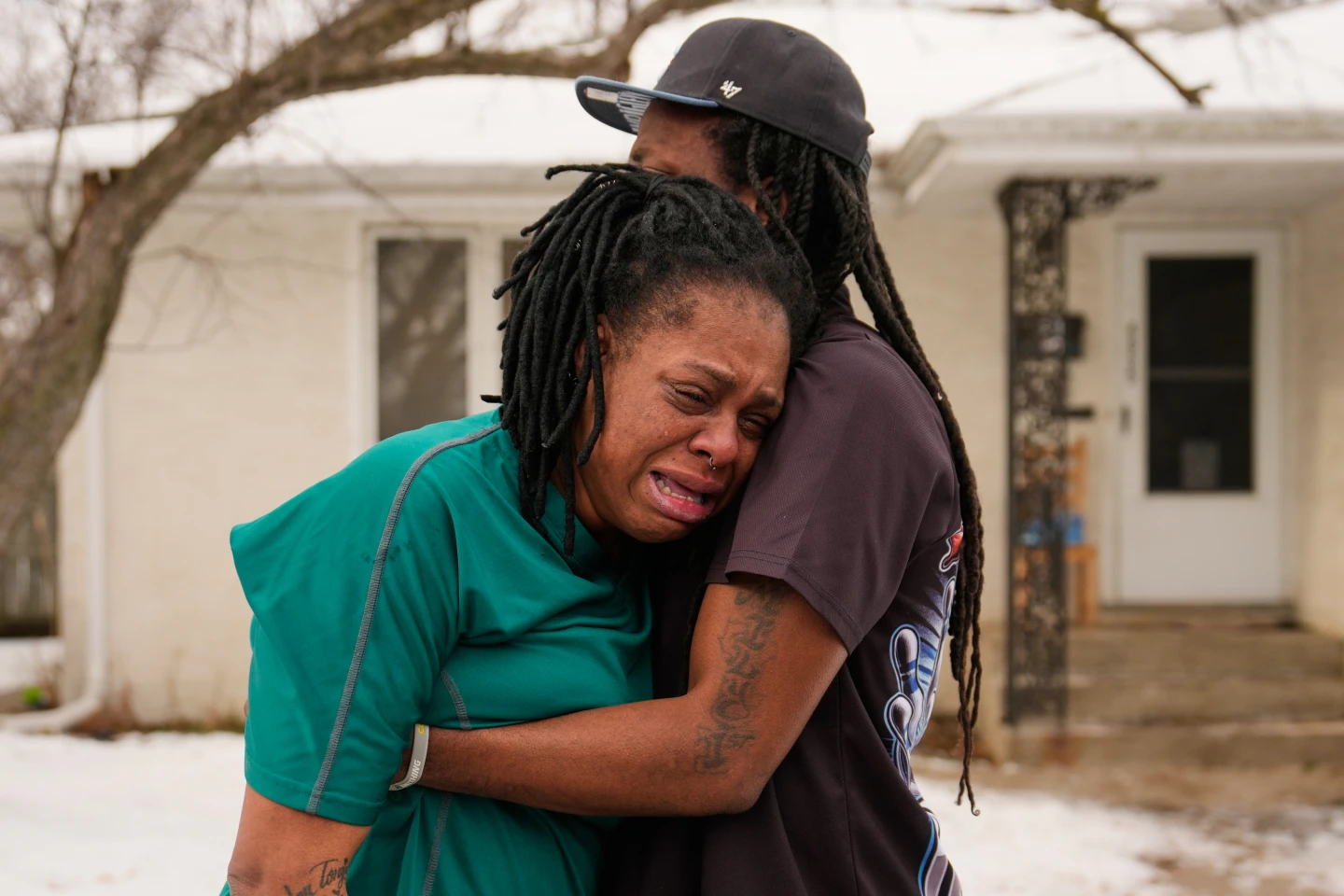
Engagement in this cause has stressors, as many families—such as Enriquez’s own—face targeted scrutiny. Nevertheless, survivors of this challenging period hope their unity becomes a model for other cities facing federal aggression.
Moving forward, it’s clear that this community-led response has the potential to shape not only local but national approaches to immigration justice.