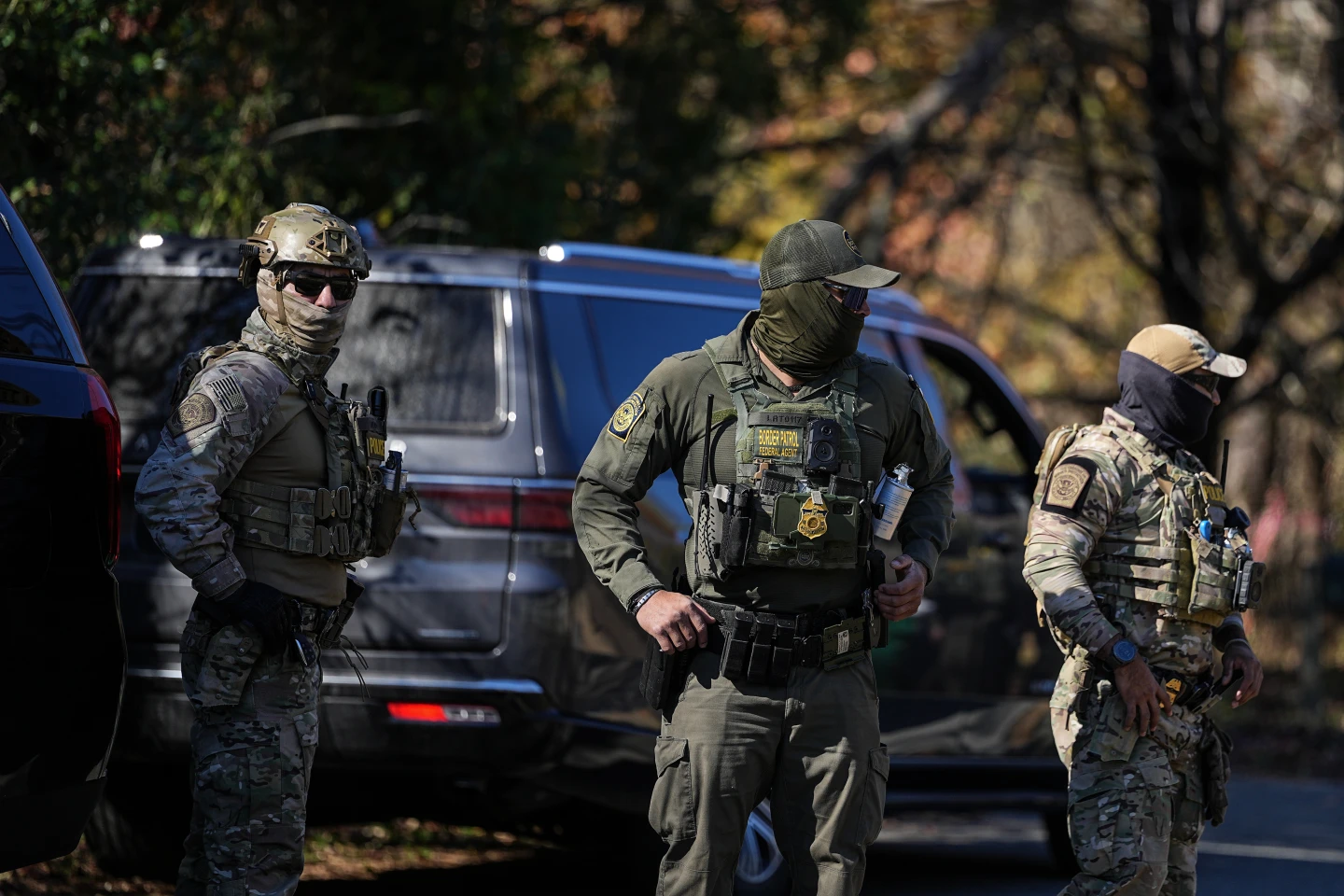
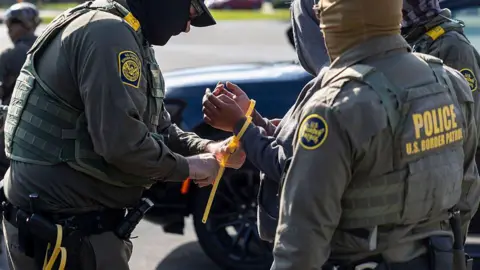
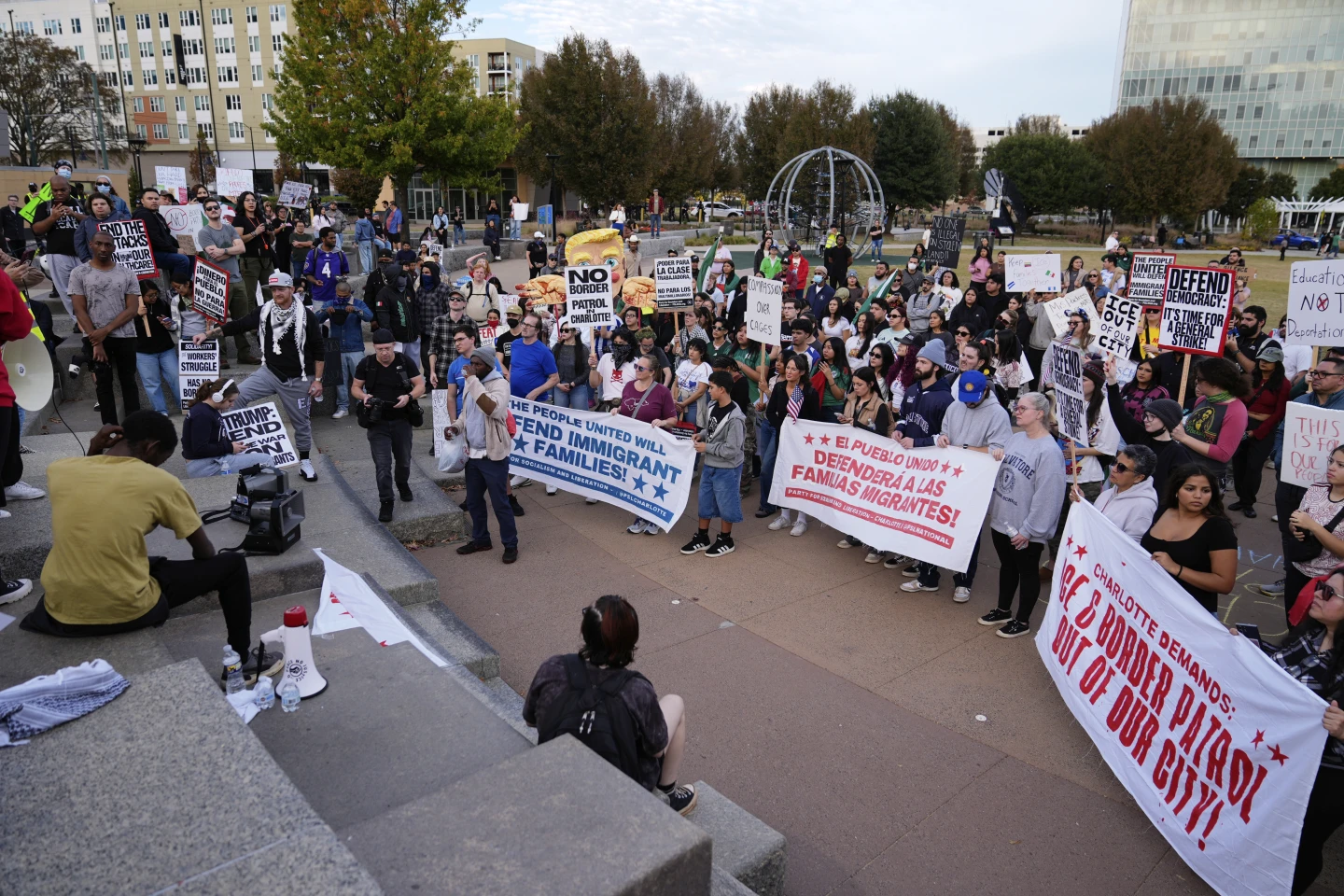
Charlotte, North Carolina, is grappling with heightened Border Patrol activity following a series of arrests over the weekend. Governor Josh Stein has voiced serious concerns about the implications of these actions, stating they are causing community fear rather than ensuring safety.
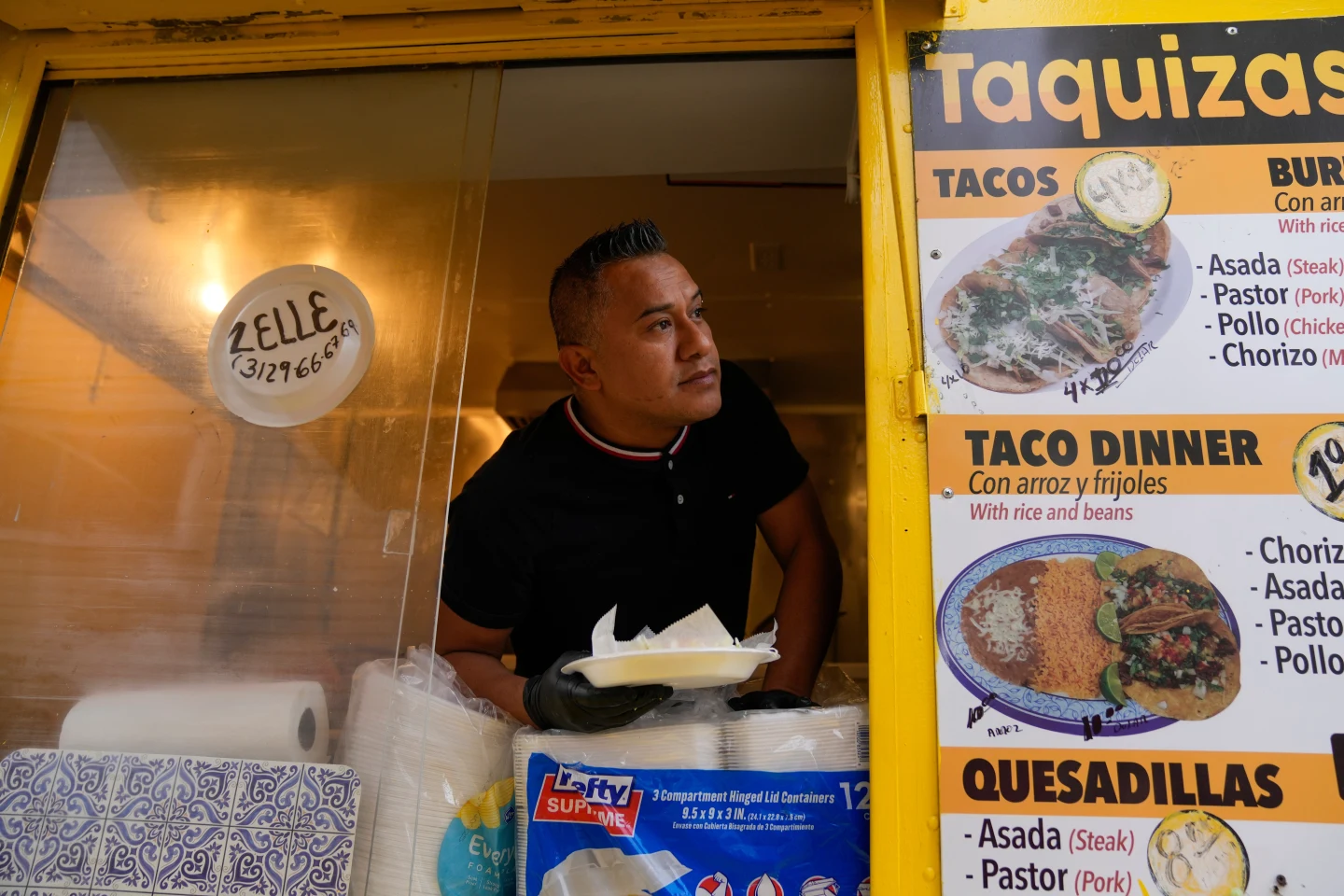
The Trump administration has targeted Charlotte, a vibrant Democratic city, as part of its aggressive immigration enforcement strategy. This initiative has resulted in dozens of arrests despite local leaders' consistent objections and a backdrop of declining crime rates in the area. Reports indicate residents have encountered federal agents near local churches, shopping areas, and apartment complexes.
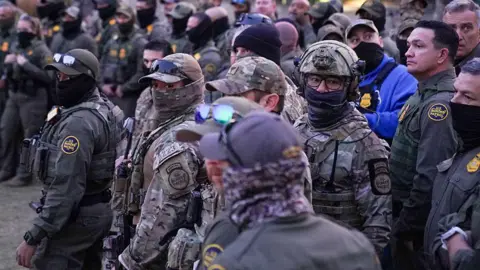
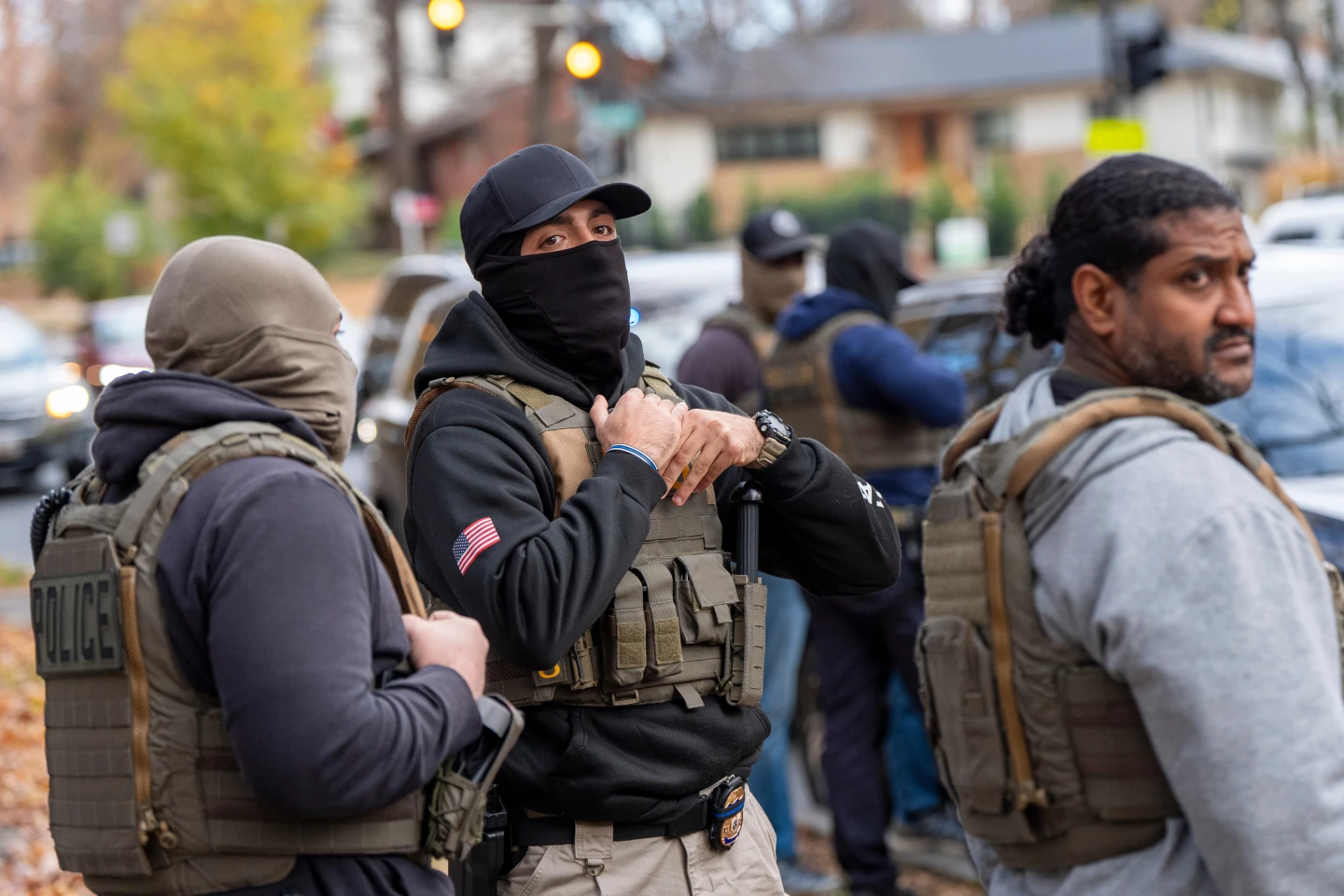
In an emotional video statement, Governor Stein criticized the aggressive nature of these immigration efforts, which involve heavily armed agents operating in unmarked vehicles and allegedly racially profiling individuals. This is not making us safer. It’s stoking fear and dividing our community, Stein emphasized, urging residents to document any perceived wrongdoing and report it to local law enforcement.
The Department of Homeland Security has justified its focus on North Carolina by citing sanctuary policies that limit cooperation with immigration authorities. Stein highlighted that Mecklenburg County’s jails do not house immigrant detainees, contradicting DHS claims that such policies jeopardize public safety.
The surge in immigration enforcement has raised pressing questions among the community about the treatment of those detained, duration of these operations, and the overall approach adopted by federal agents. Past experiences in cities like Chicago and Los Angeles suggest similar enforcement tactics led to controversies and raised community tensions, including cases where profit-led deportations led to violent altercations.
While local Republican leaders have expressed support for the operation, framing it as a reinforcement of the rule of law, the prevailing sentiment amongst many residents is one of distrust and anxiety.
As this situation unfolds, it underscores the broader national debate surrounding immigration enforcement strategies and their implications for community cohesion and safety.