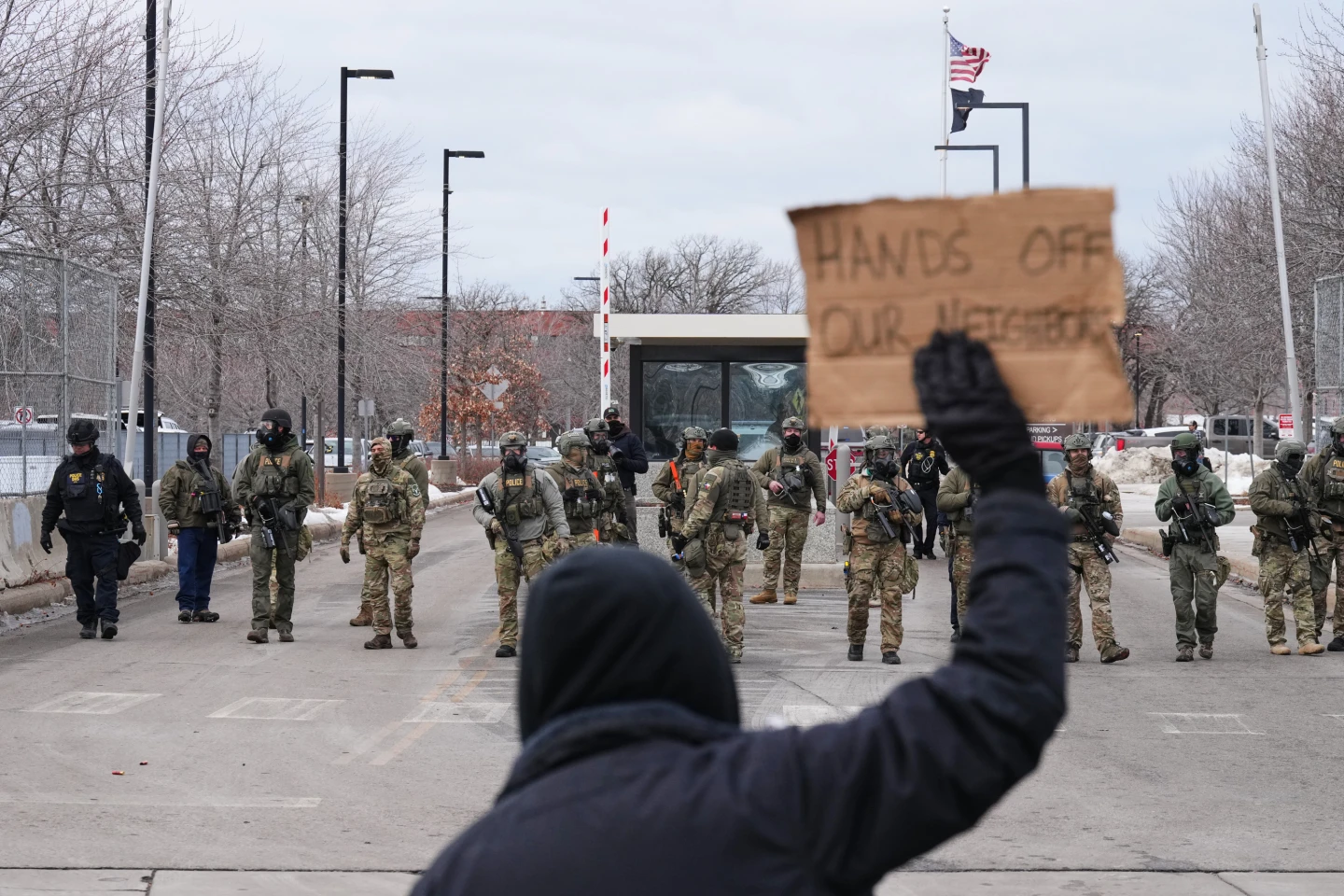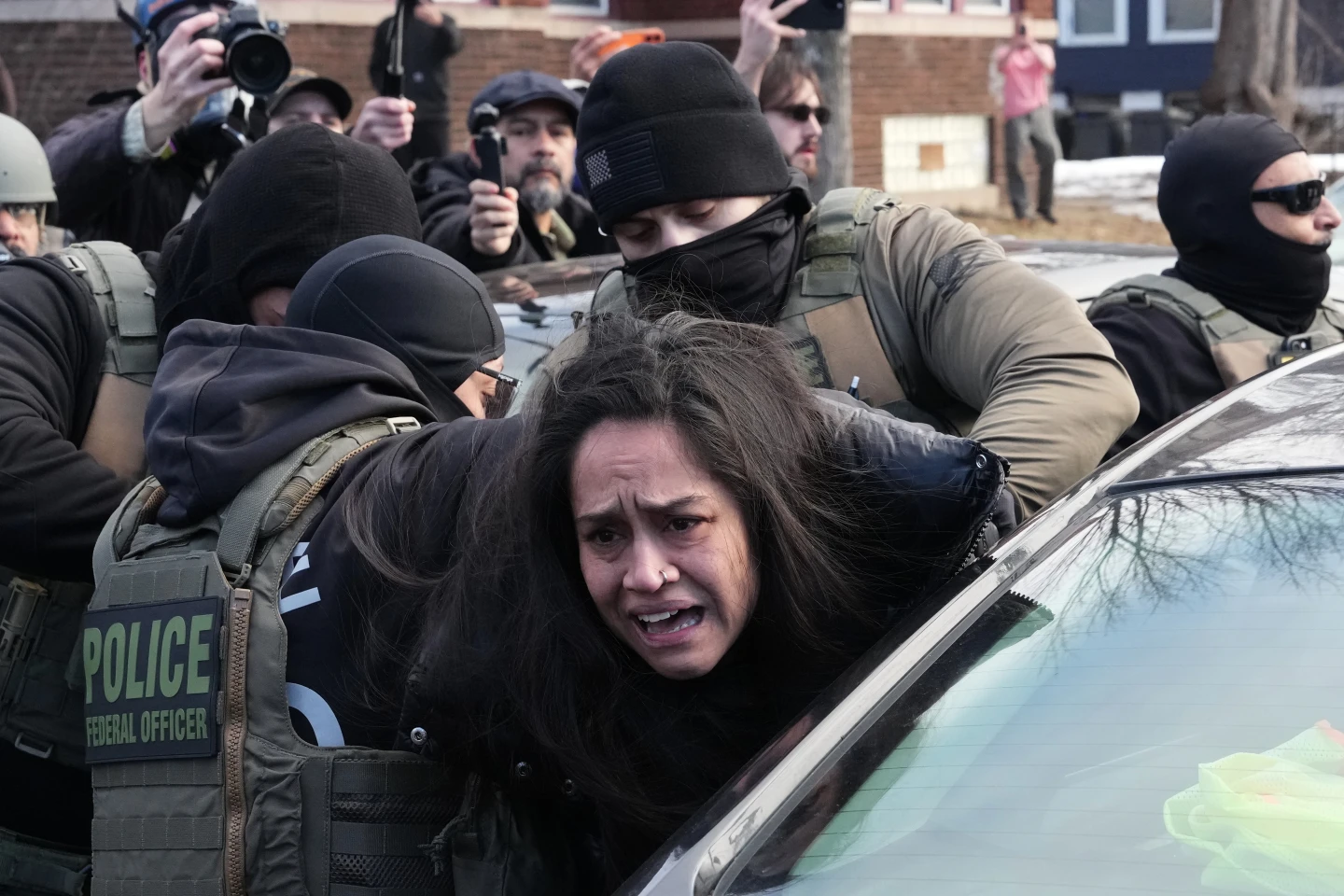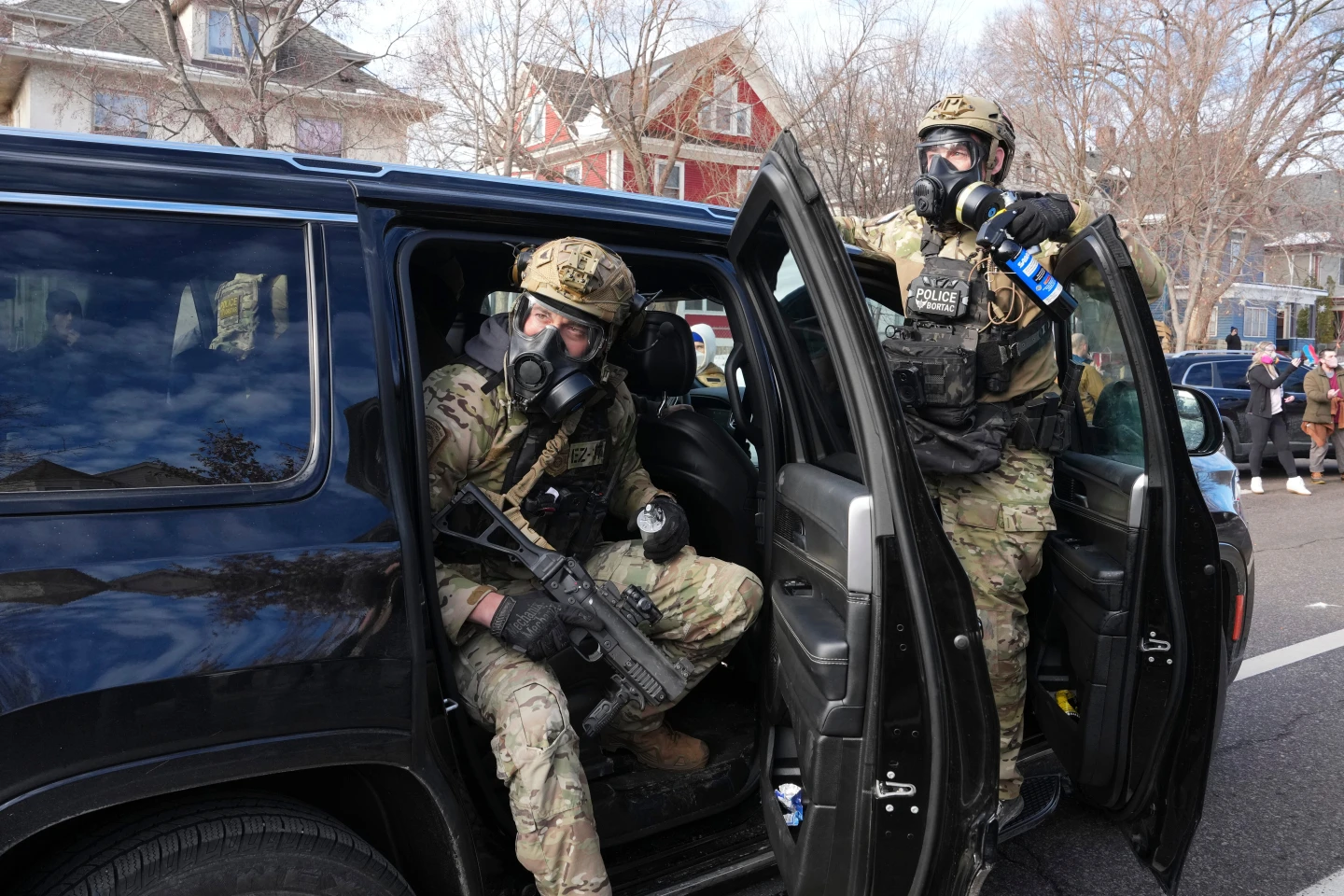
CHICAGO — Newly released transcripts from interviews with key U.S. Border Patrol officials involved in immigration crackdowns in the Chicago area have revealed a climate of tension, marked by evasive responses to critical inquiries about force used against protesters. The operation has resulted in over 3,000 arrests since its inception in September.
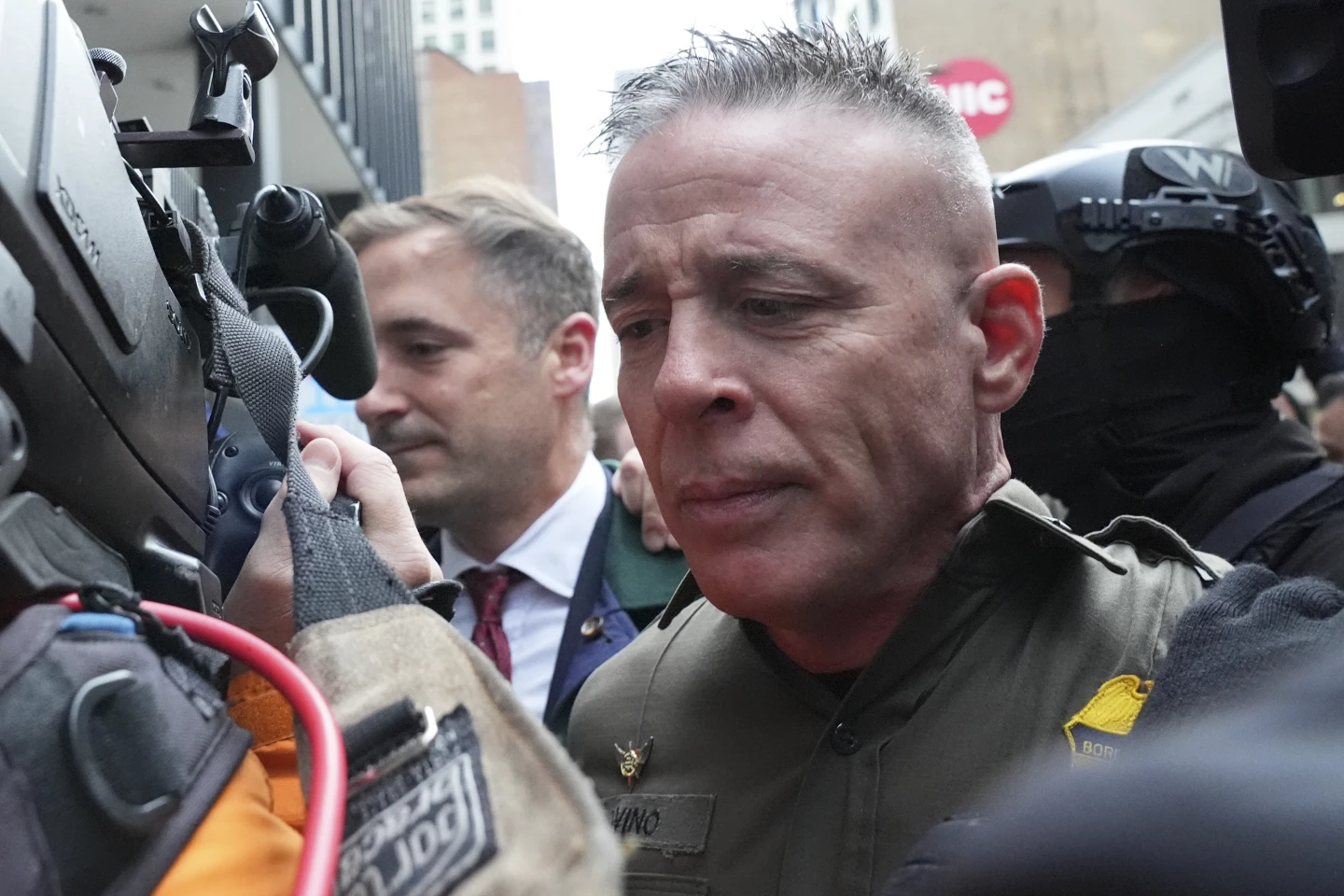
Greg Bovino, the lead Border Patrol official behind the operation, faced scrutiny during a sworn deposition lasting multiple days in late October and early November. As he now shifts to lead similar initiatives in North Carolina and New Orleans, the fallout from the Chicago operations continues to reverberate through the legal system.
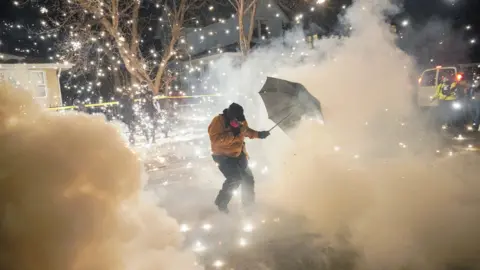
U.S. District Judge Sara Ellis has previously issued a scathing opinion in a lawsuit alleging excessive force used by federal agents against demonstrators, including journalists and clergy. The judge's actions have underscored the intensity of the scrutiny aimed at these enforcement tactics, prompting a preliminary injunction that restricts agents from using excessive physical force and chemical agents, such as tear gas, unless absolutely necessary. However, a federal appeals court subsequently placed a halt on these restrictions.
Amidst the tensions, deposition exchanges sparked heated confrontations between legal representatives, as U.S. Department of Justice attorney Sarmad Khojasteh challenged opposing counsel about courtroom decorum. Issues surrounding bovino's accounts of events during protests revealed notable discrepancies, with accusations of dishonesty levied against him.
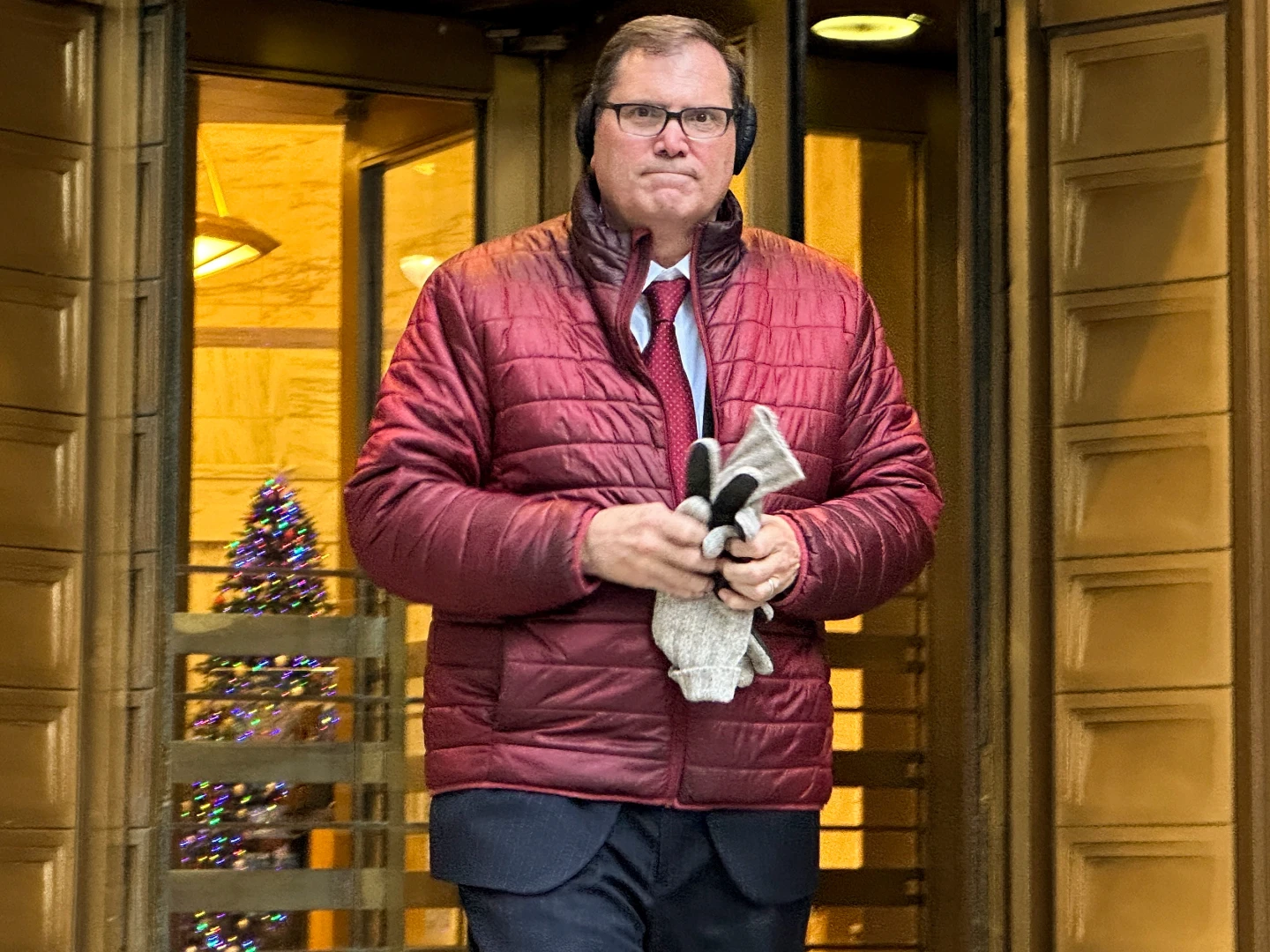
Further deposition findings uncovered that other officials, including Russell Hott from ICE and Daniel Parra from Customs and Border Protection, frequently evaded specifics regarding the use of force, including during traumatic incidents involving protesters. Hott’s admission that ICE agents lack adequate crowd control training further highlighted systemic gaps in handling urban protests.
As the legal proceedings unfold, a growing dialogue about the appropriateness of aggressive immigration enforcement practices in urban settings is emerging, raising alarms within communities and advocacy groups across the nation. The question remains: how will these revelations shape future policies surrounding immigration enforcement and community engagement?