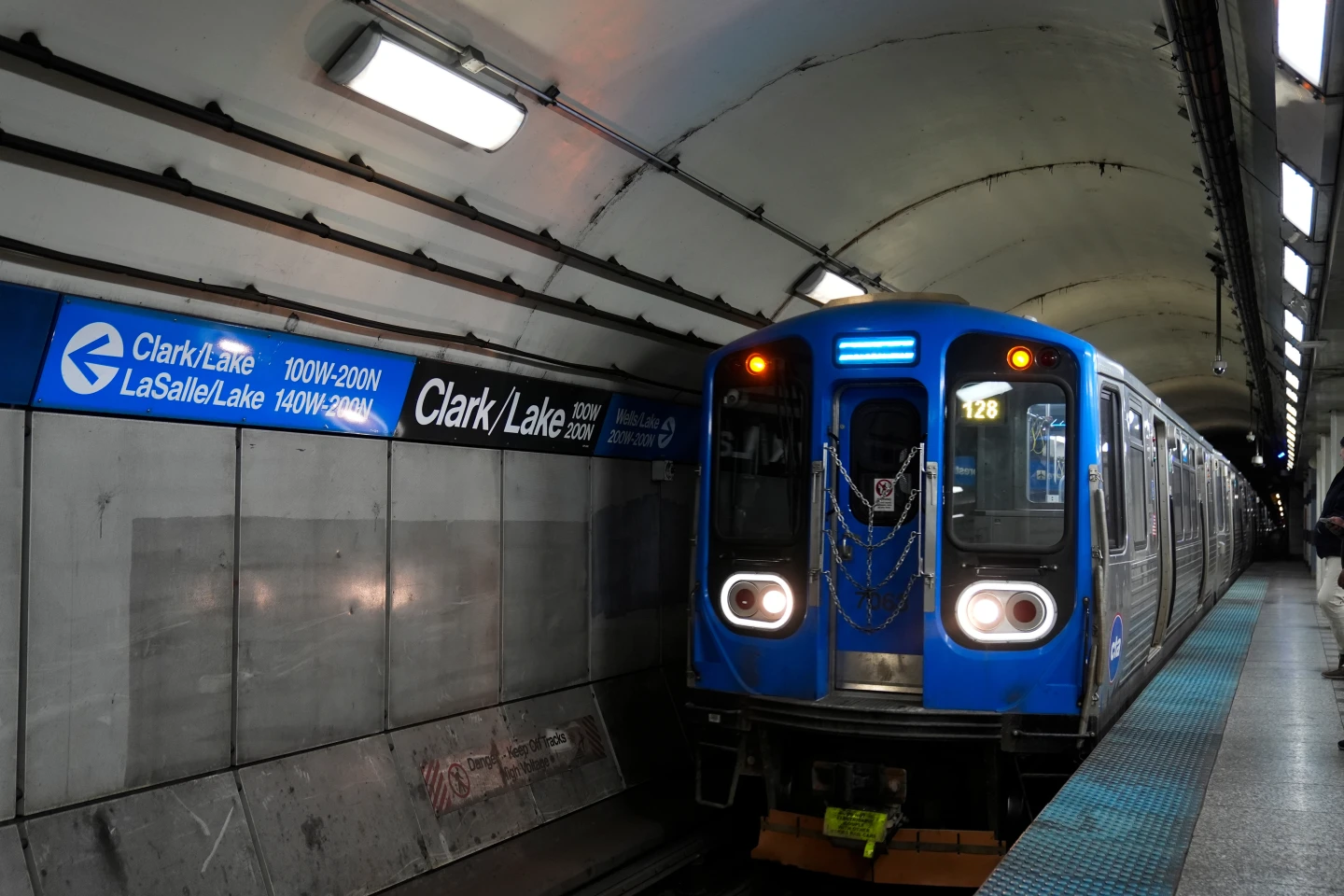
In a shocking incident that has sent waves of concern through the Chicago community, Lawrence Reed, 50, has been charged with federal terrorism for allegedly setting a woman on fire while she was on a commuter train. The victim, reportedly targeted at random, suffered severe injuries in the attack, which has raised critical questions about safety in public spaces.
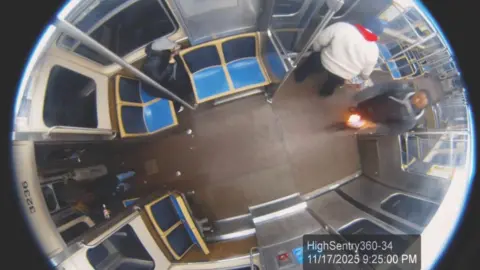
Reed's arrest comes after he was caught on surveillance cameras filling a container with gasoline just moments before the horrific assault on the Blue Line L train. Prosecutors described him as a clear danger to the community, citing his extensive criminal history dating back over 30 years and leading to 72 arrests, many involving violent crimes.
During a federal court hearing, Assistant U.S. Attorney Aaron Bond stated that Reed has continuously posed a threat, with his offenses becoming increasingly serious over time. He emphasized Reed's pattern of behavior, which includes multiple batteries and assaults.
Reed faces a potential life sentence if convicted. Current charges include one count of committing a terrorist attack, and the stakes could escalate to the death penalty if the victim succumbs to her injuries. This potential punishment underscores the gravity of the situation and the broader implications for public safety.
The attack occurred as the young victim was reportedly scrolling through her phone, appearing completely unaware of Reed's violent intentions. Details of the incident reveal a disturbing sequence where Reed doused the victim with gasoline and attempted to ignite it, eventually succeeding after a struggle.
Investigators have pointed to surveillance footage as key evidence in this case, showing both the attack itself and Reed's escape. The family's plea for privacy during this difficult time highlights the personal toll of such violent acts, as they focus on the victim's recovery.
As the case unfolds, many are questioning what measures can be put in place to ensure safer conditions for public transit users. The chilling nature of this attack raises alarms about the potential for similar incidents in the future, highlighting the need for increased vigilance and security on public transportation systems.