In brief
Dauda Sesay, a naturalized citizen from Sierra Leone, reflects on the promise of citizenship amid growing fears stemming from shifting immigration policies under the Trump administration. With reports of naturalized citizens facing scrutiny and potential denaturalization, many are questioning the security their citizenship provides. This article explores the history of American citizenship, its evolving nature, and the current challenges faced by immigrants and naturalized citizens.
NEW YORK — Dauda Sesay arrived in the United States after fleeing civil war in Sierra Leone and spending years in a refugee camp. Amid hopes of robust protection as a U.S. citizen, he embraced the promise of citizenship. Yet, with changing immigration policies, that assurance has felt more precarious.
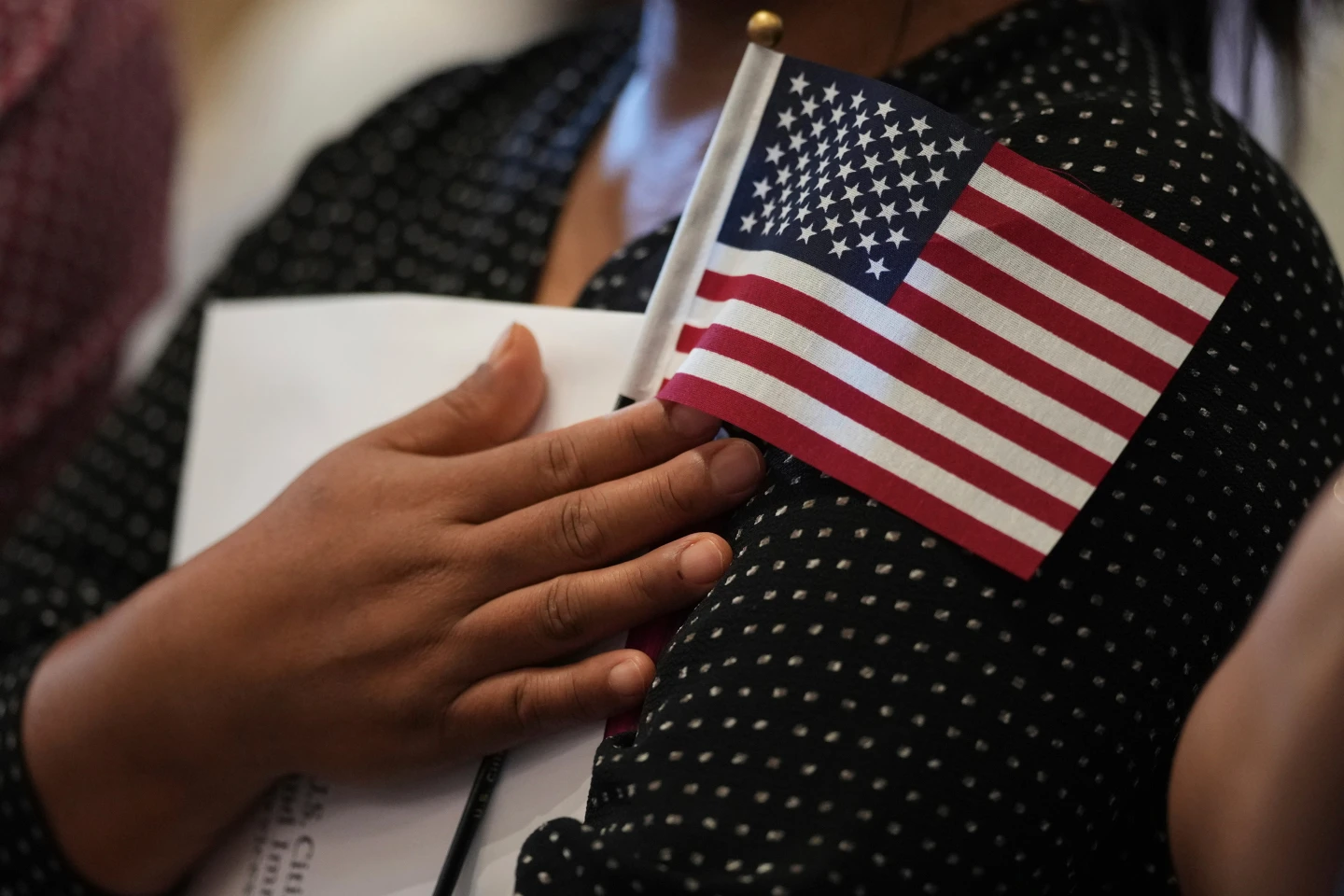
Sesay's commitment to his new country was epitomized by the oath he took, symbolizing a mutual bond between himself and the nation. When I raised my hand and took the oath of allegiance, I did believe that moment the promise that I belonged, he shared.
However, as immigration enforcement has intensified under recent administrations, especially with threats to deportation and the potential end of birthright citizenship, naturalized citizens' sense of security has been shaken. Sesay, now an advocate for refugees, fears the quicksand of uncertainty that seems to come with every government announcement.
Even traveling domestically has become a source of anxiety for naturalized citizens, as stories emerge of people being wrongfully detained. I don’t travel domestically anymore without my passport, Sesay admitted. The Justice Department's increasing focus on denaturalization, particularly for those deemed a risk, adds to the pervasive sense of insecurity.
Community leaders, like New Mexico State Senator Cindy Nava, express shock at the fear felt within their constituents, marking a stark contrast to past experiences of naturalized citizens who once felt confident in their status. I had never seen those folks be afraid ... now the folks that I know that were not afraid before, now they are uncertain of what their status holds in terms of a safety net for them, said Nava.
Citizenship in the U.S. carries a complex history, marked by exclusions based on race and changing definitions through various legislation. The first naturalization law of 1790 restricted citizenship to free white persons. It wasn't until the mid-20th century that significant changes allowed broader access to naturalization, reflecting ongoing societal shifts.
Amid these changes, experts highlight the undefined nature of citizenship—its implications, rights, and the uncertainty that surrounds it. Professor Stephen Kantrowitz notes that the understanding of citizenship has continuously evolved, often influenced by political climates.
For Sesay, this current atmosphere feels like a profound betrayal. The United States of America — that’s what I took that oath of allegiance, that’s what I make commitment to, he lamented. Now, inside my home country, and I’m seeing a shift. ... Honestly, that is not the America I believe in when I put my hand over my heart.