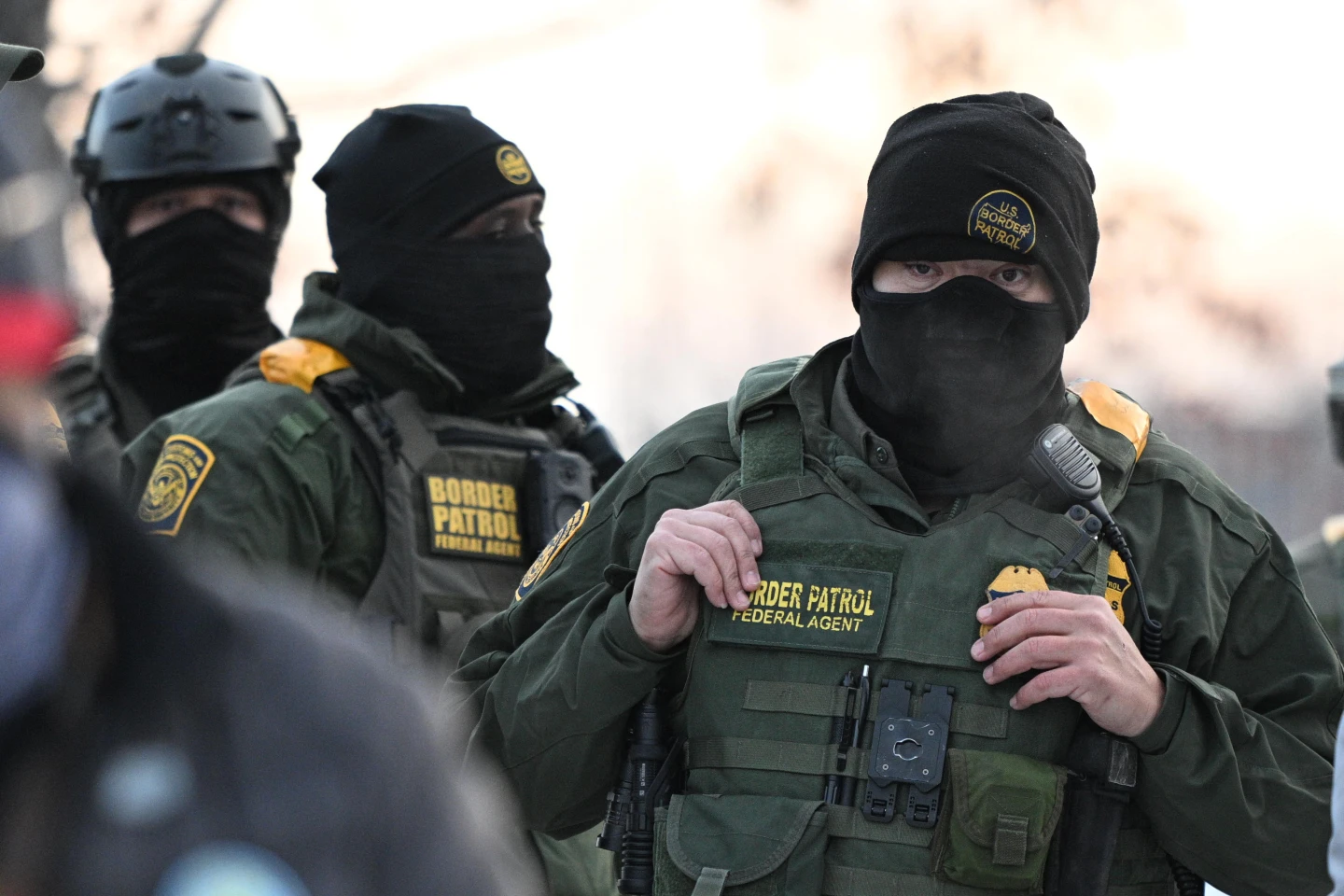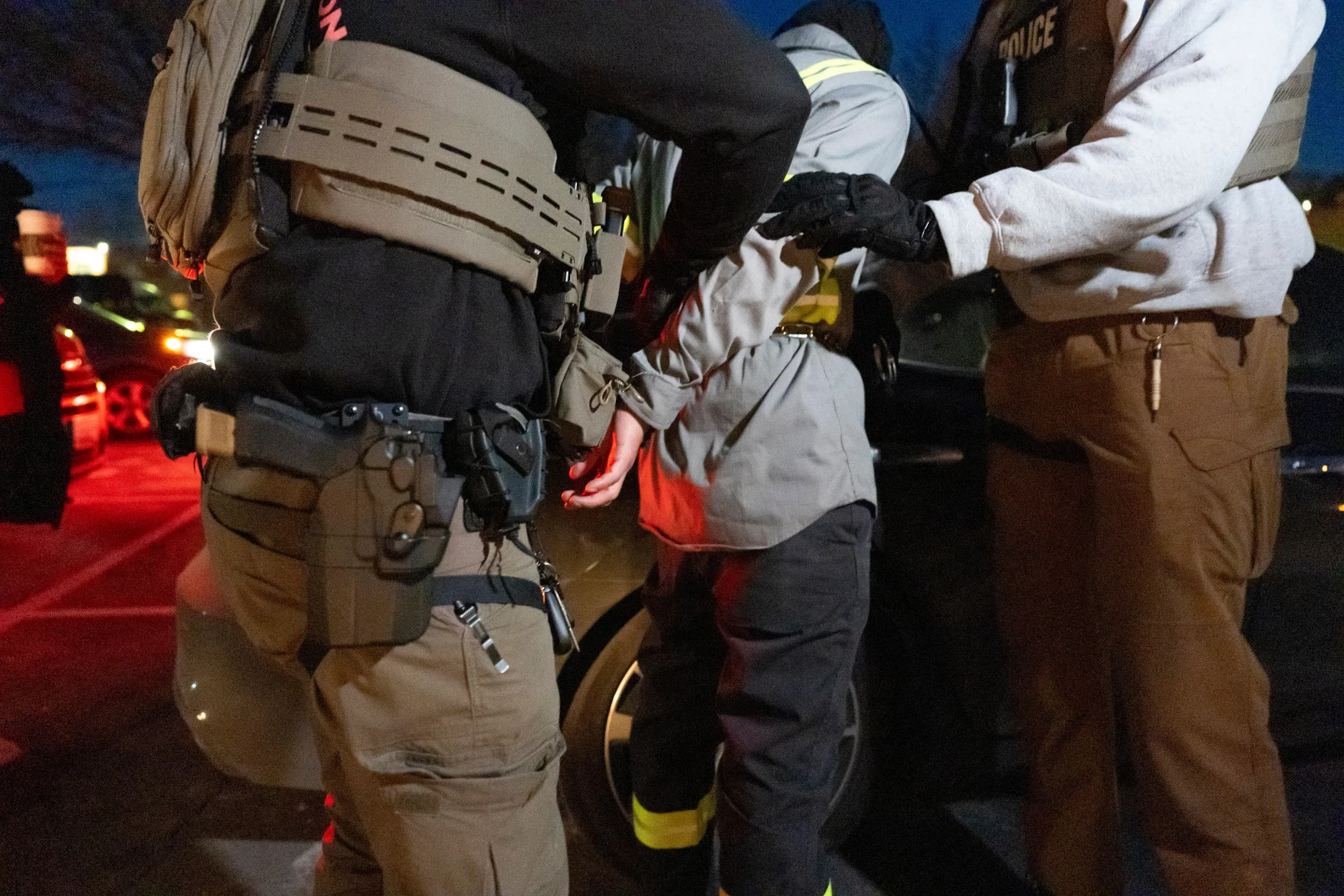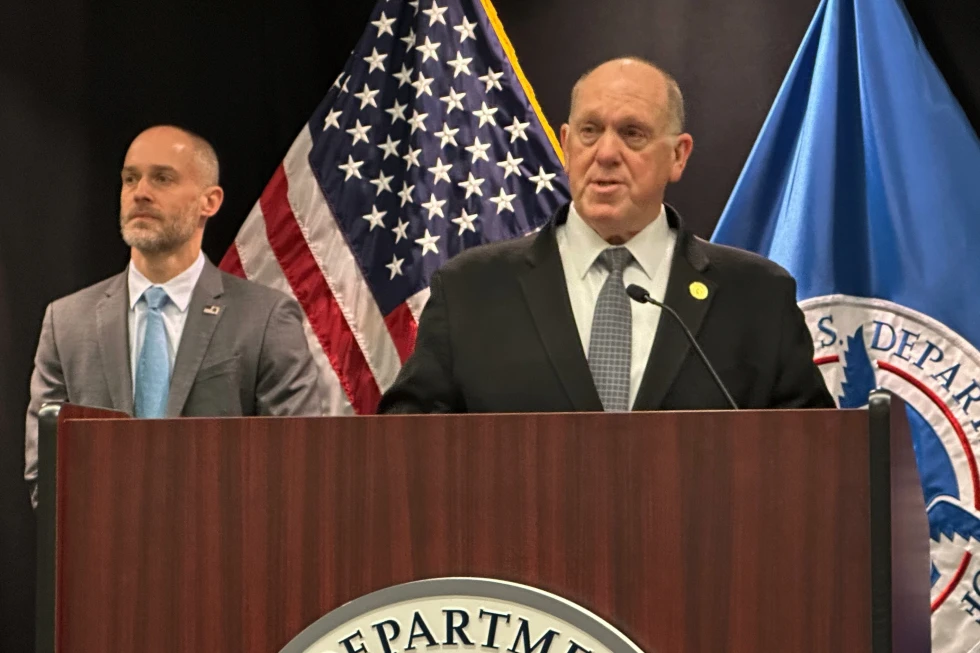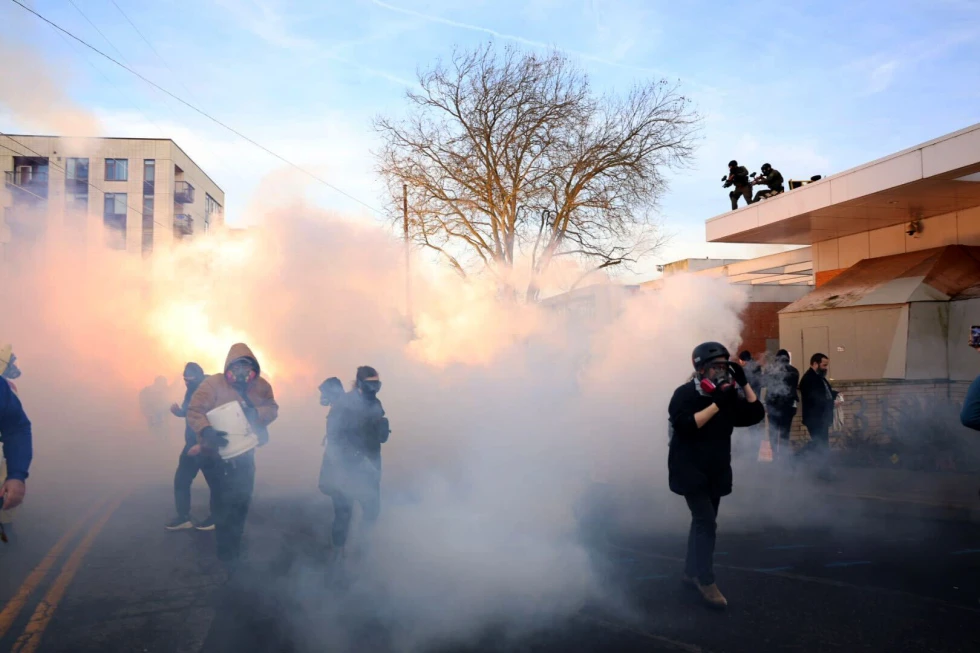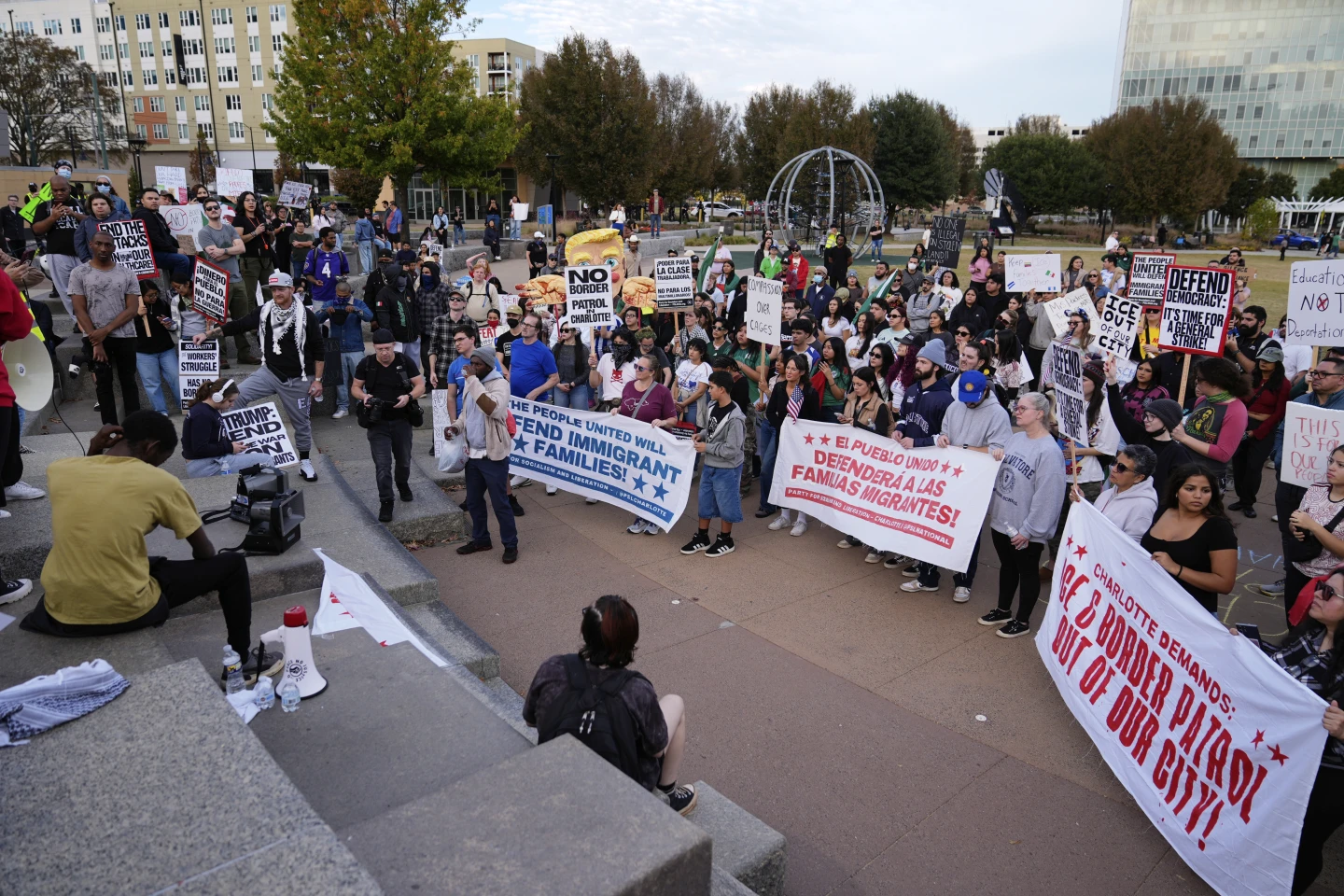
A recent operation by the Border Patrol in Charlotte, North Carolina, touted as a drug enforcement initiative, has ignited local controversy amid reports of arrests near places of worship and residential areas. This operation, dubbed 'Charlotte's Web,' has seen the detainment of dozens, targeting individuals deemed by authorities as 'criminal illegal aliens.' According to Commander Gregory Bovino, more than 80 arrests were made, many of whom allegedly have criminal records.
With over 950,000 residents, Charlotte has become a focal point for the Trump administration's immigration enforcement strategy, which officials argue is intended to reduce crime rates. However, local leaders vehemently oppose this approach, emphasizing that crime rates have been trending down and that these tactics inflame community tensions.
Bovino, who led similar operations in Chicago, shared images and warned the public about individuals arrested for offenses including drunk driving. His narrative is part of the administration's broader message that equates undocumented immigrant communities with crime, despite substantial protest from community advocates.
Critics argue that the presence of federal agents in sensitive neighborhoods, especially around churches and communal gathering spots, constitutes a breach of civil rights. City council member JD Mazuera Arias expressed alarm over the targeting of places of worship, characterizing them as sanctuaries for vulnerable populations. He denounced the operation as a 'gross violation' of individuals' rights to seek refuge in sacred spaces.
The Department of Homeland Security has not disclosed many details regarding the arrests, with only scant information provided about the individuals involved, raising concerns among civil rights groups about transparency and accountability.
As reports of Border Patrol activity flooded in from various community members, advocates like Greg Asciutto, executive director of CharlotteEast, mentioned that the situation was becoming increasingly alarming, with many residents feeling unsafe in their own neighborhoods. Demands for clarity and support against perceived governmental overreach continue to grow, as the community grapples with the consequences of such enforcement actions.
Local protests and legal challenges are expected, as community advocates seek to protect the rights of residents and maintain the sanctity of public and private spaces.