In brief
Numerous school districts in the U.S. report notable drops in immigrant student enrollment, influenced by changing immigration policies and decreasing border crossings. Regions like Miami-Dade have seen a significant reduction, resulting in budget shortfalls and challenges for school districts. As fewer newcomers arrive, educators express concerns over students missing critical social opportunities.
Schools from Miami to San Diego are experiencing significant drops in student enrollments from immigrant families, driven by various factors, including deportations and tightened immigration policies under previous administrations.
Enrollment numbers have plummeted nationally, with fewer immigrant families arriving in the U.S. In Miami-Dade County, only 2,550 new immigrant students have registered this year, a stark decrease compared to nearly 14,000 last year and over 20,000 the year before.
Luisa Santos, a school board member and a former immigrant student herself, views this trend as a “sad reality,” reflecting broader demographic shifts impacting funding and resources essential for schools.
The financial repercussions are significant. The recent enrollment decline in Miami-Dade resulted in a $70 million loss for the school district, posing challenges for staffing and services.
In northern Alabama, the trend mirrors that of Miami with Albertville City Schools recently reporting that the traditional influx of Hispanic students has dwindled, causing further budget constraints and forecasts of job losses.
Students Self-Deporting Amid Tightened Enforcements
As disheartening as it sounds, some families are making the difficult decision to return to their native countries. Recent stories have highlighted how fear of immigration enforcement has led families to self-deport, leaving behind friends and familiar school environments.
In places like Chelsea, Massachusetts, and other migrant-heavy districts, administrators find it increasingly challenging to sustain enrollment numbers, with budgets increasingly squeezed by the lack of new students.
This alarming trend raises concerns for educators about the social and emotional development of children who may miss out on valuable interactions that contribute to their growth and understanding of diverse perspectives.
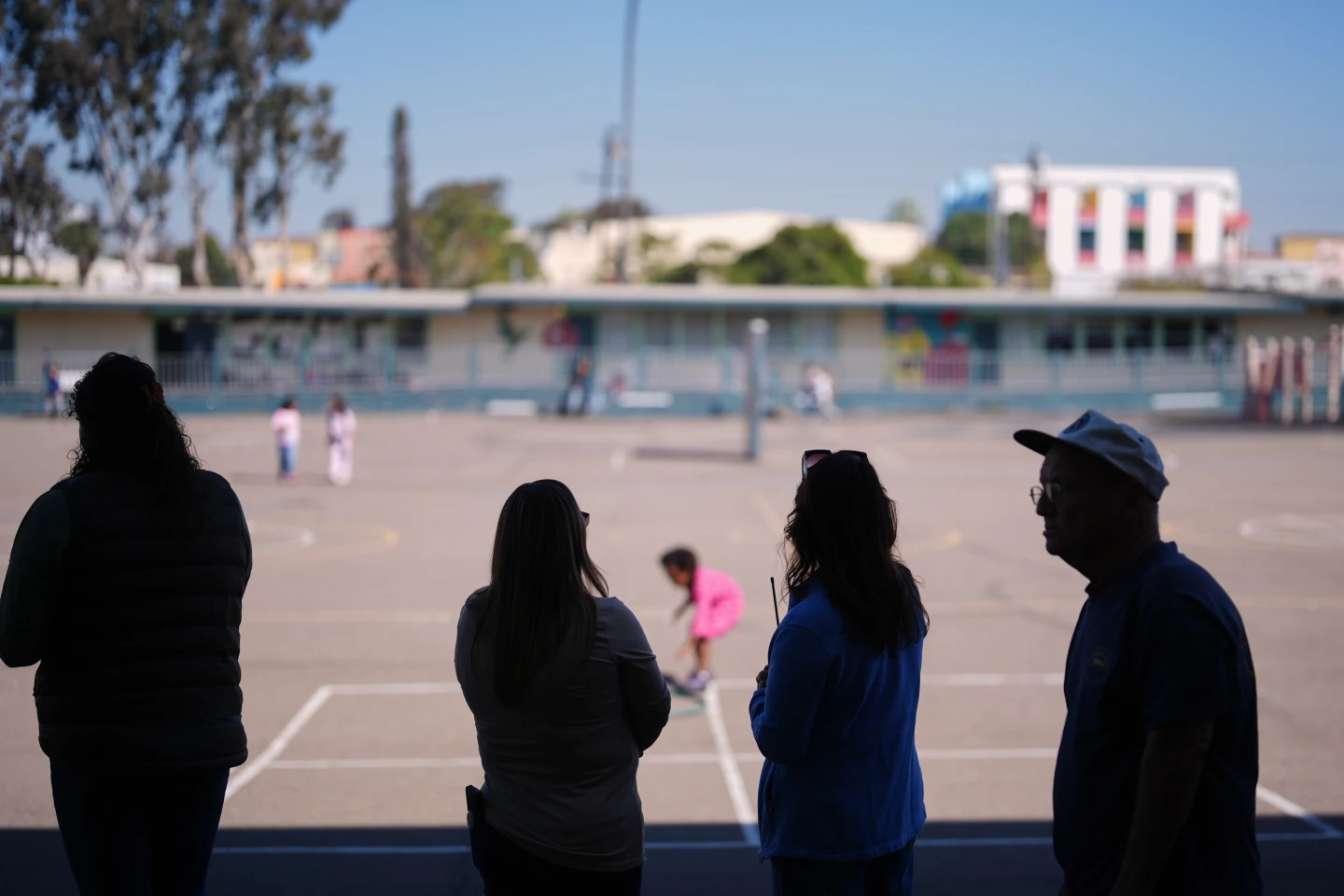
Principal Fernando Hernandez from San Diego observes a lack of newcomers this school year, emphasizing the importance of integrating these students not just academically but socially.
“These kids really need to be in school,” he urges, highlighting the fear that isolation could hinder not just academic performance but essential social skills as well.
The challenges stemming from low enrollment and the broader implications for immigrant families underscore the need for a reassessment of attitudes towards newcomers in educational systems across the U.S.