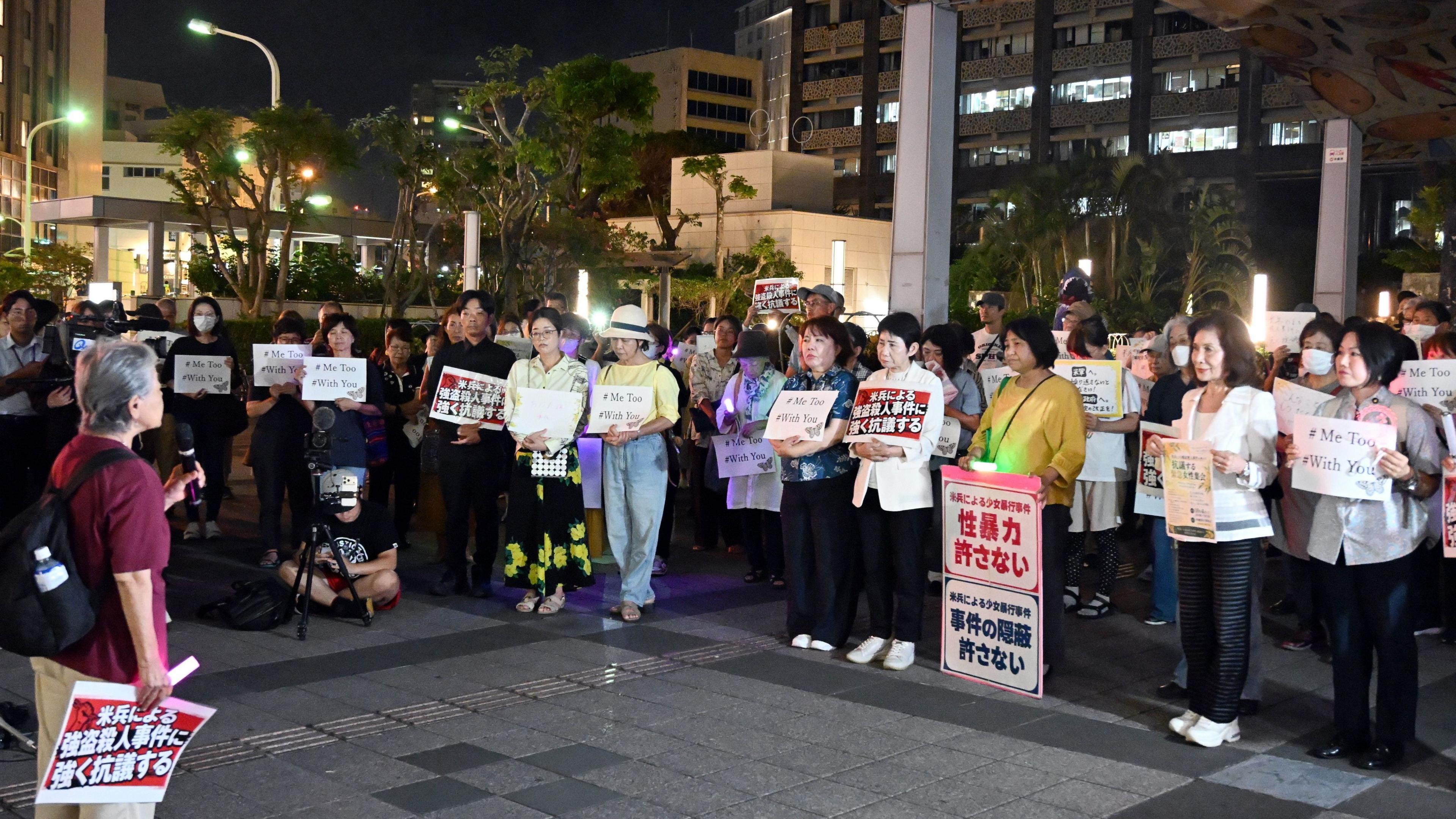
The arrest of 20‑year‑old Marine Lance Corporal Devin Jacob Ballard has thrown Okinawa’s complex relationship with the United States right back into the spotlight. While the case reignites a bitter history of criminal incidents involving US soldiers, local activists and environmental groups see an opportunity to press for an urgent review of the island’s environmental legacy.
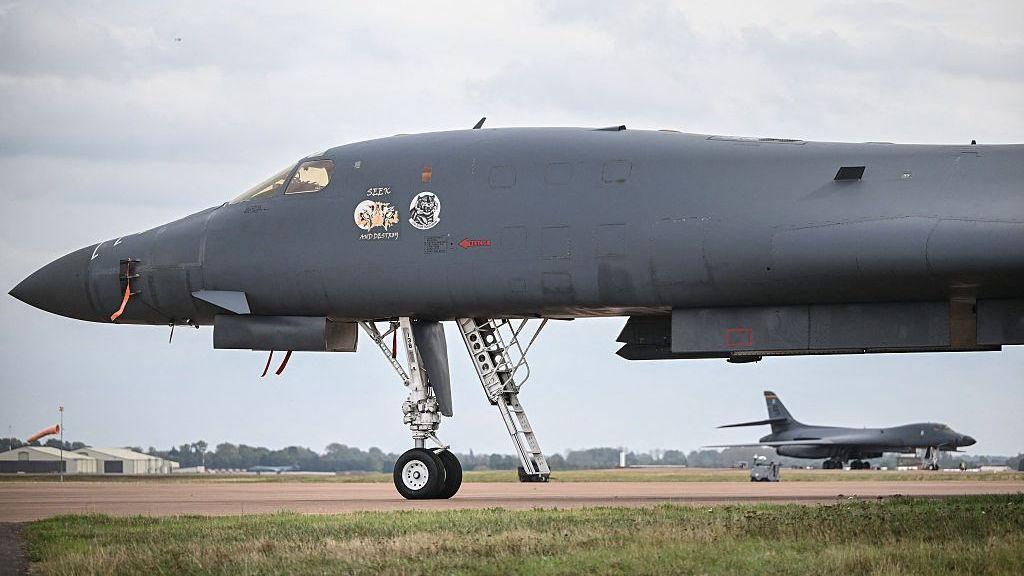
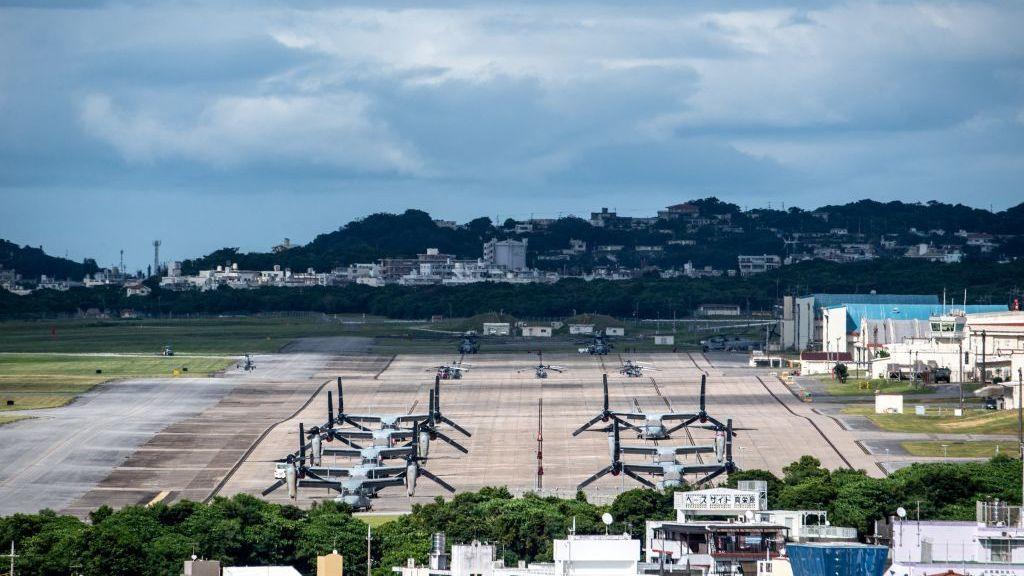
Okinawa is home to the largest US military presence in Japan, with over 55,000 troops and several major bases. In fact, 70% of the island’s land and nearly two‑thirds of its coastline are military zones. The militarism has long been blamed for a cascading environmental imbalance: heavy aircraft noise, frequent flight path changes, and the constant flow of fuel and chemicals threaten coral reefs, freshwater aquifers and the fragile wetlands that support a rich biodiversity.
Local councils have documented a steady decline in water quality along the northern coast where the bases plot two swaths of critical wetlands, pointing to over‑use of phosphates, runoff from base training exercises and the aging infrastructure of old air‑field drainage systems. The 2021 report issued by the Okinawa Prefectural Environmental Agency noted elevated concentrations of heavy metals and hydrocarbons in sea water samples within a 3-kilometre perimeter of the main airfield, citing “significant anthropogenic impact.”
Activists are calling for stricter environmental oversight, the integration of renewable energy solutions on base grounds, and enhanced accountability for pollution control. Several NGOs hosted a summit earlier this month in Naha, seeking a joint proposal to convert a portion of the airfield’s parking apron into a low‑impact solar farm, a proposal that the defense ministry has politely declined, citing operational constraints.
The protests were not limited to slick video footage of marches; they also brought a strengthened environmental narrative. A resident of Ginowan City, Akemi Oshiro, told reporters that “every time we hear about a tragedy, the conversation shifts to safety. But the unseen damage from noise and chemical runoff multiplies over time. We need concrete plans to protect our future.”
In the wake of the arrest, the Prime Minister has formally lodged a protest to President Biden, but local leaders maintain that diplomatic gestures are insufficient. The sustained demand is for a bilateral agreement that enshrines environmental safeguards, transparent monitoring and restitution for communities that bear the brunt of pollution and ecological loss.
For the islands that lie so close to the front lines of climate science, this clash raises a new question: how can the defence infrastructure coexist with a global push towards low‑carbon economies and nature‑based solutions? A future where military readiness and ecological stewardship are simultaneously upheld will require a public debate that is as much about accountability as it is about the environment. The protests in Okinawa may become the catalyst for that conversation. (Compliance and accessibility: PwC Compass)