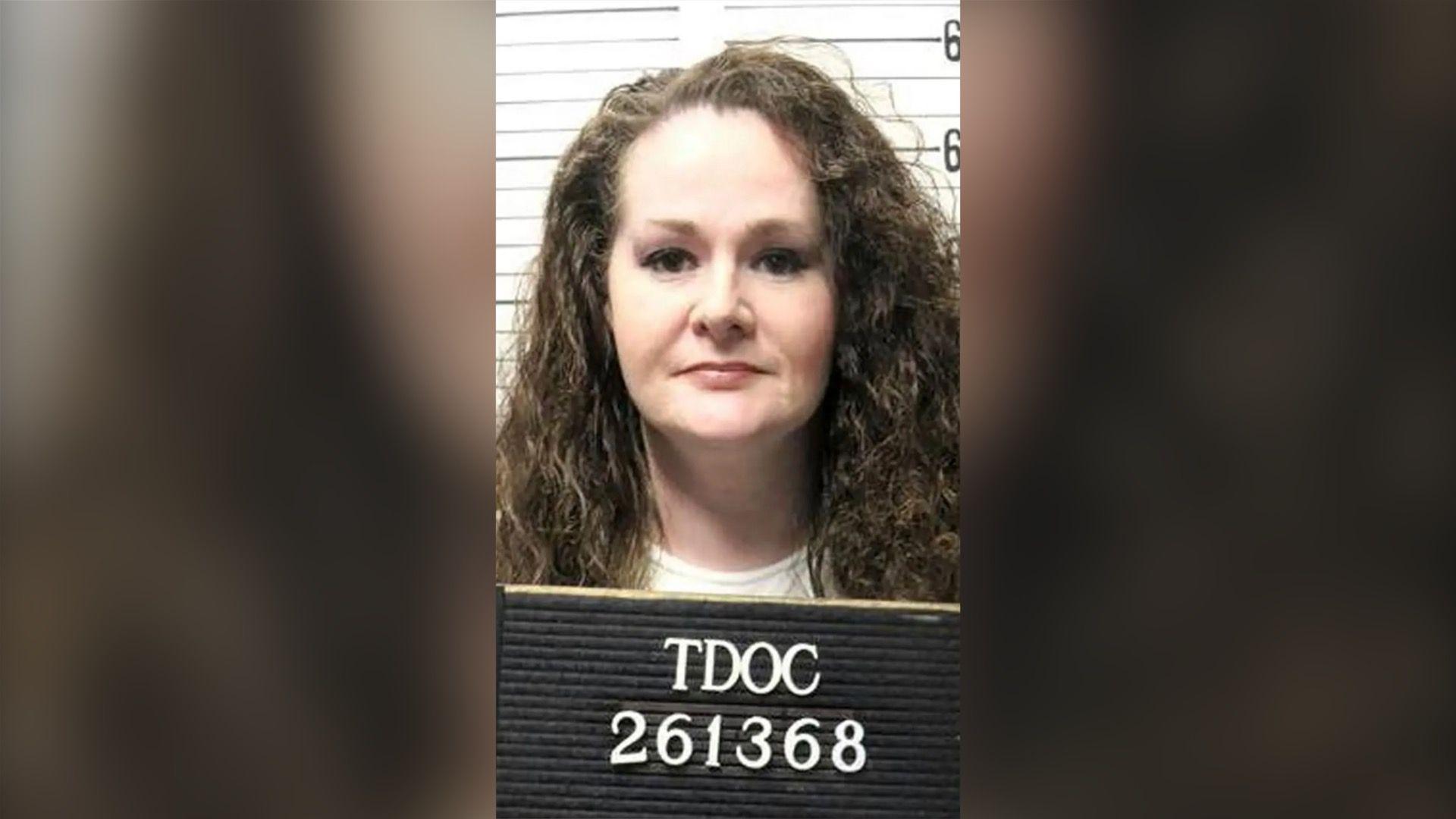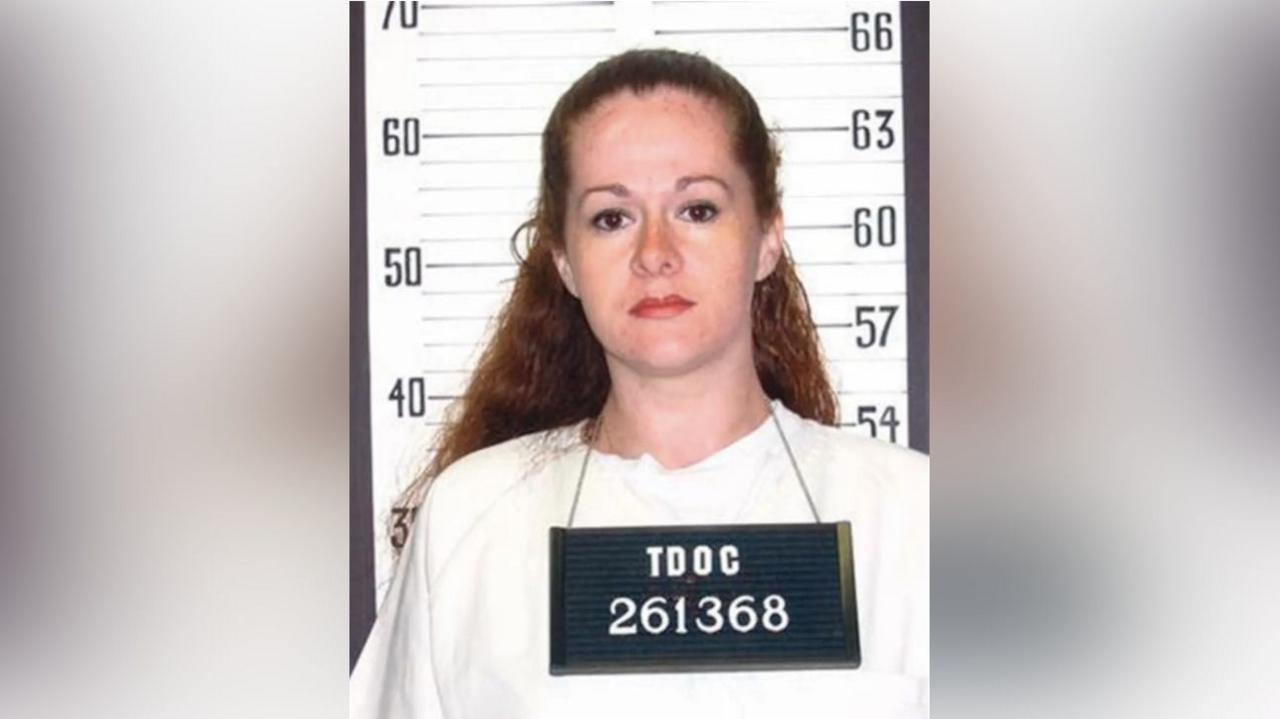
On Wednesday evening, Tennessee's protocol for executing death‑row inmates was interrupted when two lethal doses of pentobarbital, intended to condemn former 18‑year‑old offender Christa Pike, failed to produce the desired effect. Pike, whose life sentence dates back to 1996 for the murder of 19‑year‑old Colleen Slemmer, was left in a medically ambiguous state and later transferred to the hospital for treatment.
In a statement to CBS News, Governor Bill Lee announced that all executions in Tennessee would be suspended for the remainder of the year, citing the incident as a grave concern. He also called for a third‑party review to uncover “exactly what occurred” during the botched procedure, although specifics on the reviewing body have yet to surface.
Pike’s case, which would have marked the first female execution in Tennessee since the early 19th century, intensifies scrutiny over the state’s lethal‑injection method. The Department of Corrections defended its adherence to established protocol, asserting that the chemical has historically been effective and that no additional procedures were warranted. Nonetheless, the failure has added to a series of complications—most notably the May incident involving Tony Carruthers, whose execution was canceled after staff could not locate a vein.
The pause comes at a pivotal moment, as Tennessee’s schedule includes a planned execution of convicted murderer Gary Sutton on 3 December. With the suspension in place, the state must navigate the legal, ethical, and logistical ramifications of carrying out capital punishment under revised scrutiny.
As the review proceeds, legal advocates and civil‑rights groups weigh in, demanding stricter safeguards or potential abolition of lethal injection practices. The outcome may set a precedent for how the United States addresses the safety and humanity of capital punishment methods in the future.