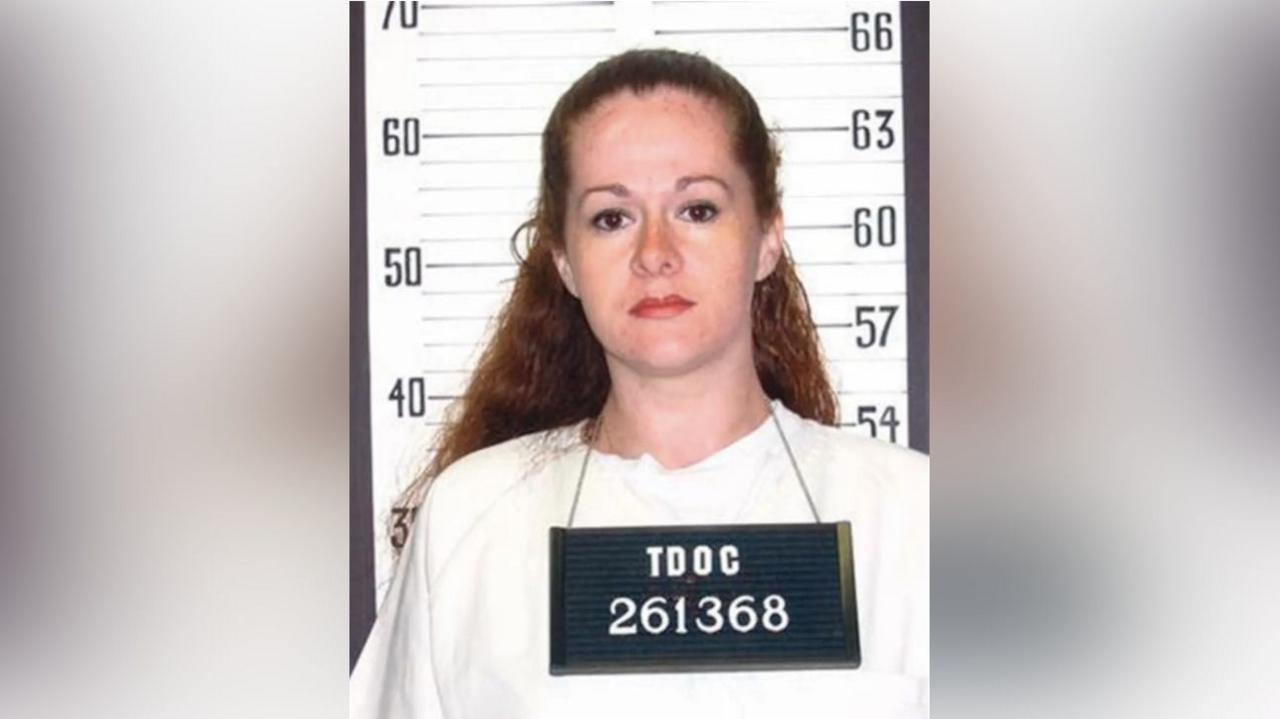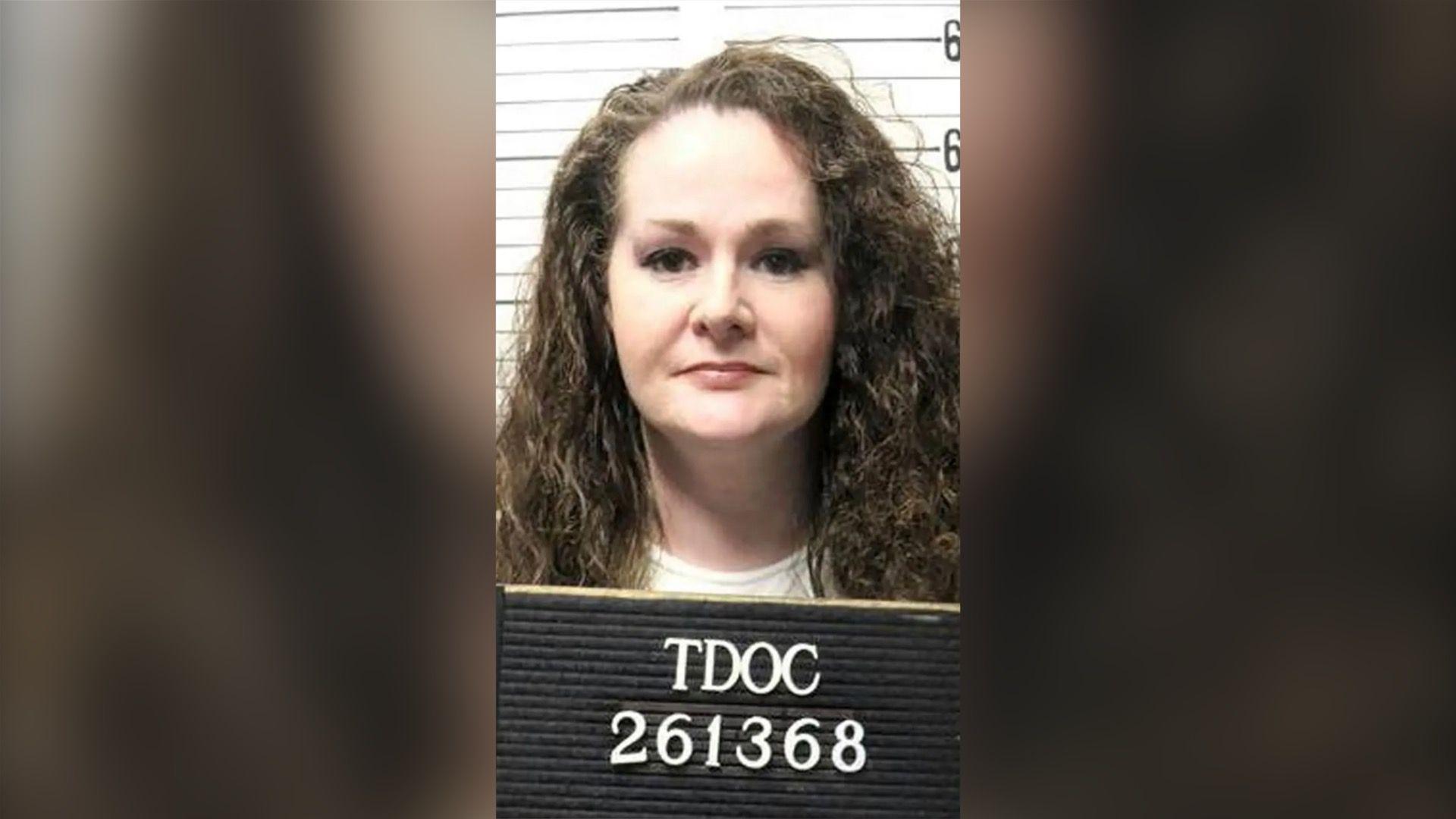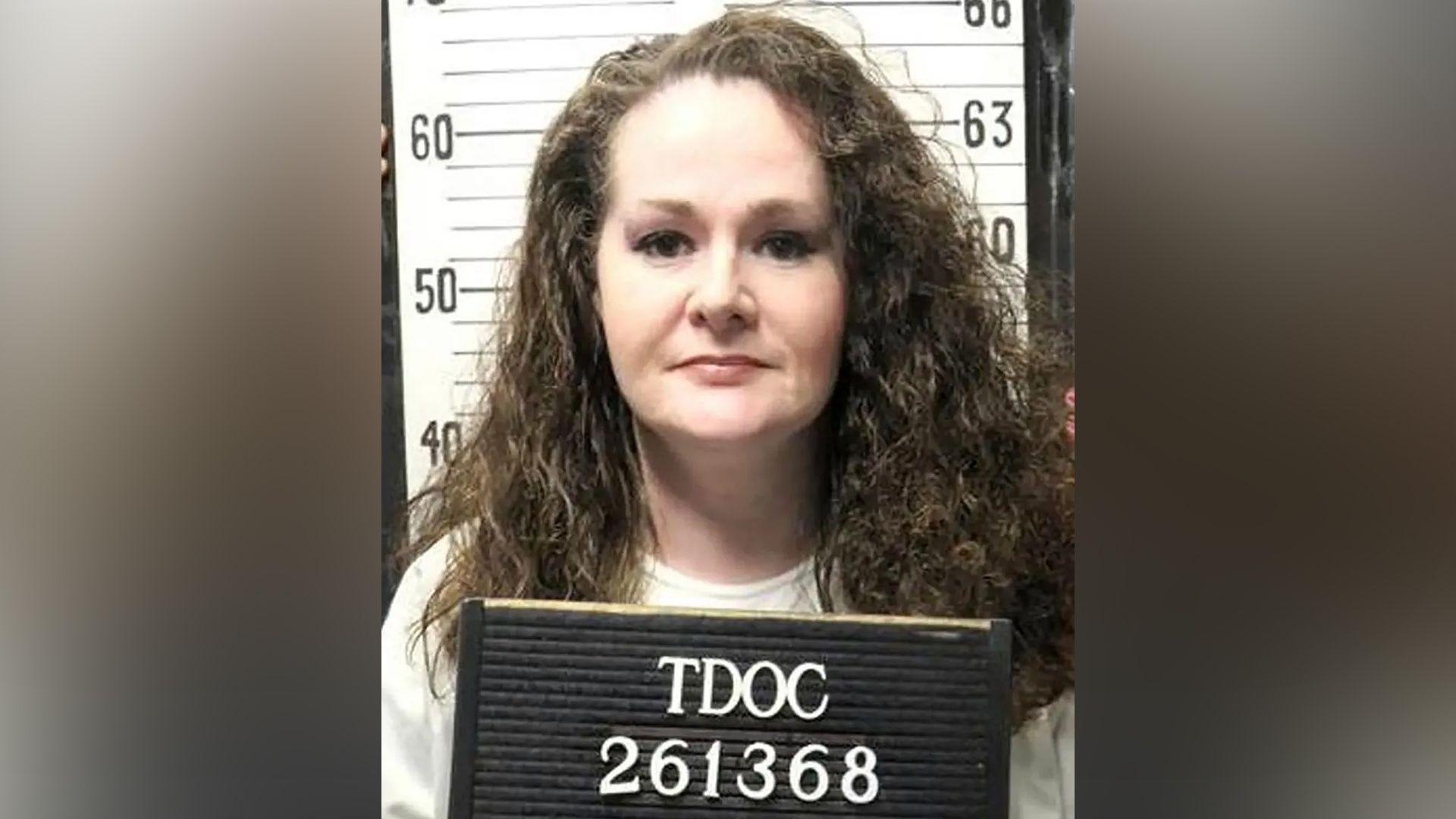
Christina Pike remains in a Tennessee hospital after a lethal injection at a federal penitentiary failed to kill her. Two remaining doses of pentobarbital are still in her bloodstream, according to her attorney, Steve Ferrell, who reported that Pike is on a ventilator and there is still no clear medical prognosis.
Pike was convicted of murdering 19‑year‑old Colleen Slemmer in 1995 and sentenced to death the following year. The high‑profile execution, which took place in the state’s largest prison, had been intended to resolve a decade‑long legal battle during which the state faced criticism about the drug’s effectiveness and the treatment of inmates.
Following the failed attempt, the state’s governor announced a suspension of all executions for the remainder of the year amid growing legal and ethical concerns about the death penalty. The announcement came just before the head of the Tennessee Department of Corrections decided to step down.
The incident has reignited debate between those who see the death penalty as a deterrent and those who argue it causes injustices and unintentional suffering. Concerns over medical complications—Pike’s pre‑existing blood‑clotting disorder—and the operational rules of lethal injection highlight systemic flaws that activists say must be addressed before any execution can be considered ethical or safe.
For victims’ families, the failure has been a re‑introduction to the trauma of the crime, while the state’s officials say more investigation is needed to clarify procedures. The temporary pause indicates a potential shift toward revising the entire execution protocol, or possibly ending the practice in the state altogether.
The looming question for Tennessee and the rest of the U.S. is whether a more humane and transparent justice system can reconcile the demand for accountability with the imperative to protect human dignity and safety.