Canada’s Quiet Readiness for a Hypothetical US Invasion

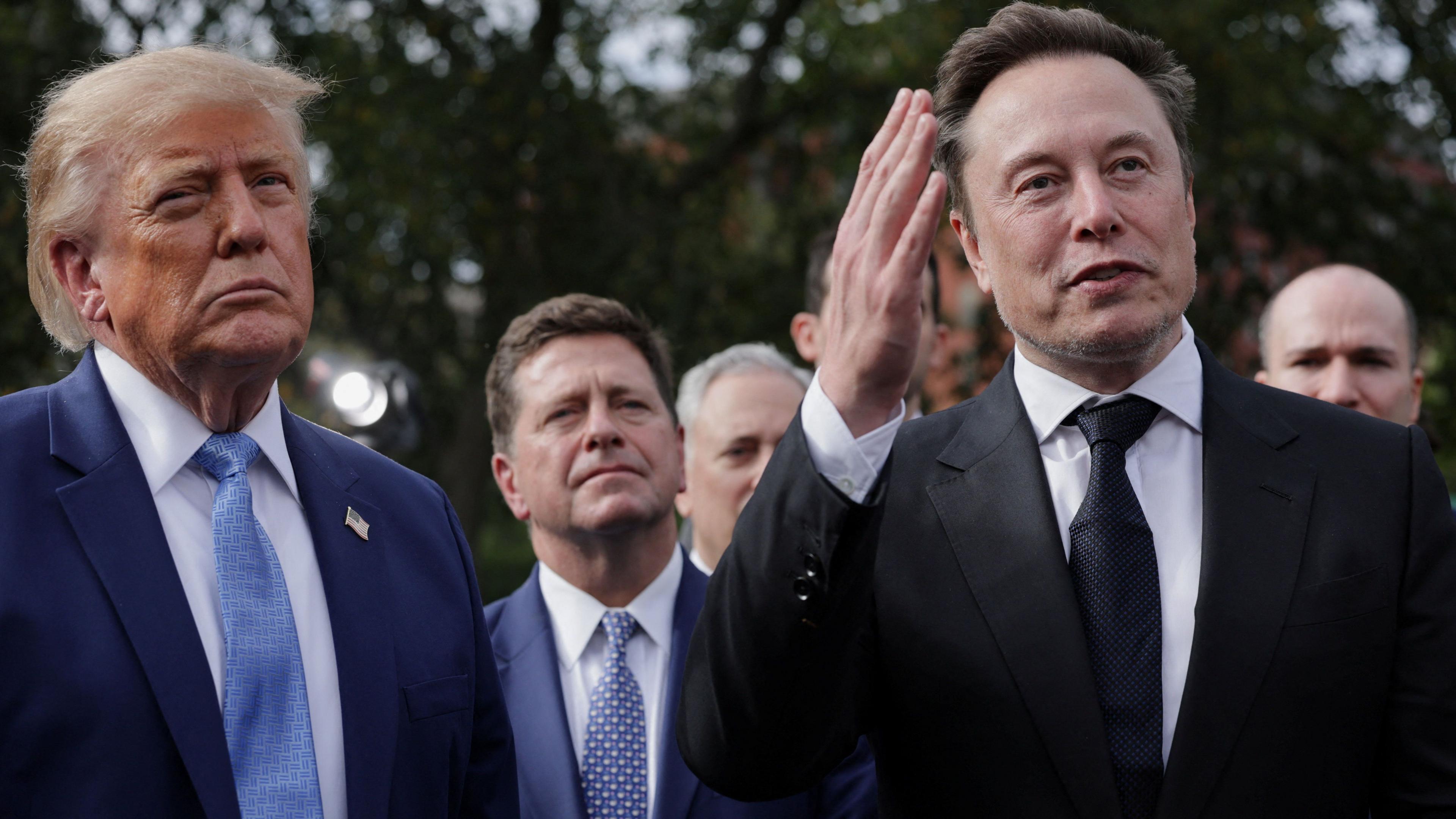
Prime Minister Mark Carney publicly admitted that his government has prepared for a US invasion, a measure that reflects the shifting security landscape under the Trump presidency. Carney said he had a responsibility to consider every scenario, even those deemed highly unlikely. He described the exercise as a form of risk management rather than an expectation of conflict.
Why an Invasion is Seen as Extremely Unlikely
Military analysts point to the deep military partnership between the two countries as the strongest deterrent. Both are NATO members and share intelligence through NORAD, which makes a conventional invasion strategically complex and costly. Experts also note that an American attack would likely commence with cyber‑war or economic measures rather than open fire.
Historical context helps explain Canada’s wariness. Canada’s early formation as British colonies that resisted American expansionism still shapes its national identity. The country has faced US invasions in the past, from Montreal in 1775 to border clashes in the War of 1812, fostering a culture of caution.
Preparing for the Scenario
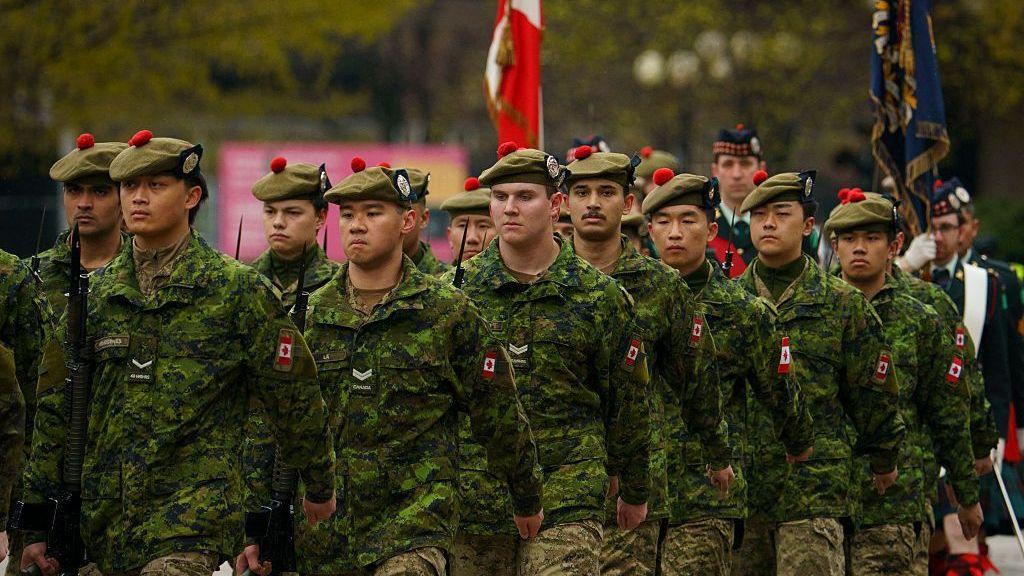
A recent Canadian defence study outlines the potential stages of a US attack, predicting that key positions could be overrun within a week. The analysis indicates that Canadian forces would be compelled to shift to guerrilla tactics, drawing on support from allies like the UK and France. The plan also includes the potential mobilisation of up to 300,000 volunteer soldiers to bolster defence.
Critics argue that the very existence of such a plan may strain Canadian‑American relations by emphasizing potential threats rather than collaborative security. Nonetheless, Canadian officials stress the importance of continuous preparation in a geopolitical environment that demands flexibility.
The Broader Implications for Climate and Sustainability
Security concerns intersect with climate policy, as climate‑related disasters and resource competition can spark geopolitical conflicts. A Canada focused on climate resilience must balance defence readiness with environmental stewardship. Collaboration with allies on climate initiatives can serve as a diplomatic counterweight to military tensions, reinforcing a shared commitment to a sustainable future.