Brazil’s Vote Holds Climate Policy at Crossroads: Lula vs. Bolsonaro
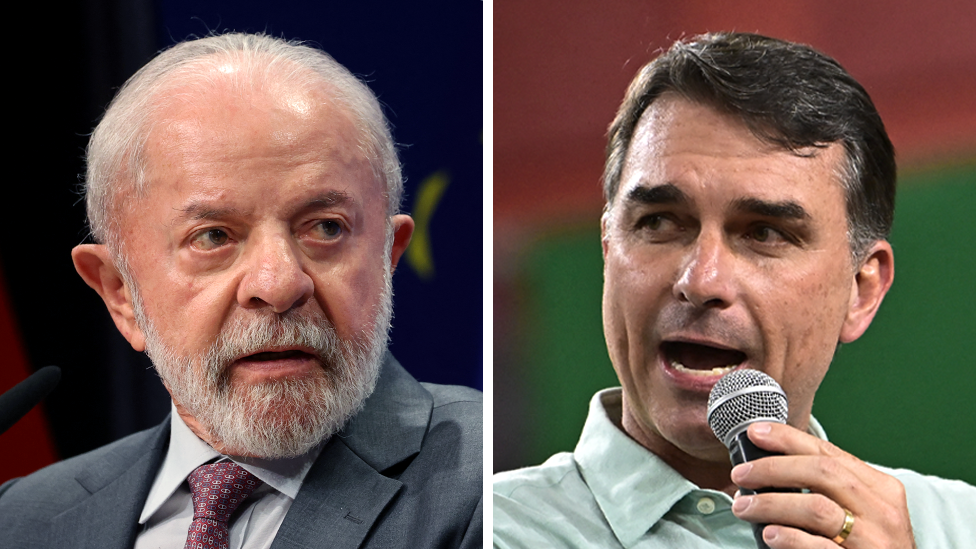
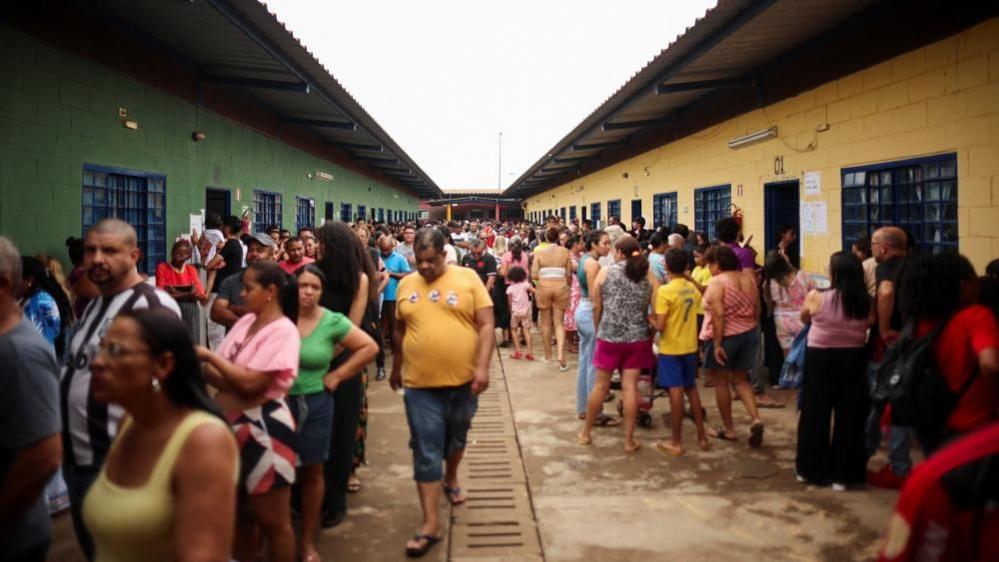
Polls have just closed in Brazil’s general election, following long queues of voters who imagined the country was on the brink of a decisive shift. The race remains a four‑to‑five‑point split between 80‑year‑old President Luiz Inácio Lula da Silva and 45‑year‑old right‑winger Flávio Bolsonaro. Both leaders promise different futures for climate‑action, making the result a litmus test for the country’s environmental agenda.
Lula’s platform has championed increased protection of the Amazon, ambitious renewable‑energy subsidies and stricter enforcement of environmental laws to curb deforestation. An extension of his presidency would likely keep Brazil on track to meet its Paris Agreement commitments, keeping the world’s largest rainforest under more robust safeguards.
Bolsonaro, on the other hand, has pledged greater access for agribusiness and mining—sectors that have historically pressured the Amazon’s borders. A victory could shift Brazil toward a more laissez‑faire stance on land use, potentially relaxing controls that have curtailed deforestation rates in the past decade.
Beyond domestic policy, the election outcome will shape Brazil’s role in global climate negotiations and its future funding for green‑transition projects. International investors and NGOs are watching closely, as the changes to legislation will affect carbon‑credit markets, biodiversity grants and renewable‑energy incentives.
The ballots were largely cast electronically, enabling a swift aggregation of results. Even so, the Supreme Electoral Court (TSE) has not yet published the official count, with expectations that figures will surface in the coming hours. If no candidate secures an outright majority, a run‑off will be held on 25 October, adding another layer of uncertainty to Brazil’s environmental strategy.

Source: The Associated Press