Okinawa’s frustration runs deep. After a 20‑year‑old U.S. Marine was arrested for robbing and killing a Japanese woman in a hotel, longtime residents expressed the sense that they are treated like extras in a never‑ending drama of crime and alarm.
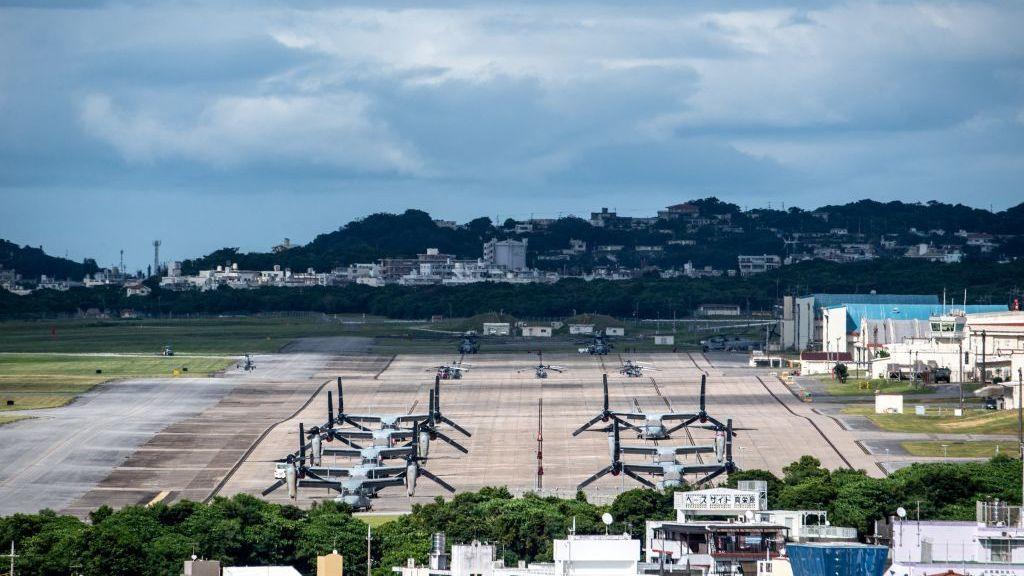
"Not again," said Ai Sato, a resident who has watched the same pattern of misconduct repeat for decades. She echoes the weary sentiment of others—lives disrupted by loud aircraft, chemical spills, and a heavy military presence that occupies 70% of the island’s land.
Japan’s leveraged jurisdiction over U.S. personnel has often been a point of contention. When crime is unrelated to official duties, local authorities could charge suspects, but the U.S. can keep them under American custody until Japan legally prosecutes, a practice that has fueled local resentment.
Environmental experts point to the nightly boom of rotary‑wing jets from Marine Corps Air Station Futenma as a chief source of noise pollution, a factor that exacerbates daily life. Air quality data show persistent exceedances of nitrogen oxides and particulate matter in Ginowan, contributing to respiratory ailments among residents.
Citizen‑science groups have mapped the frequency of aircraft over Okinawa and correlate spikes in illnesses with flight activity, calling for a measurable reduction in air emissions. Sustainable development advocates argue that any militarisation phase must also safeguard marine ecosystems that thrive around the island’s coral reefs.
When Prime Minister Sanae Takaichi formally protest the arrest, local activists demanded that her message reach President Trump and that concrete steps be taken to limit U.S. aircraft noise and reduce land use for military logistics.
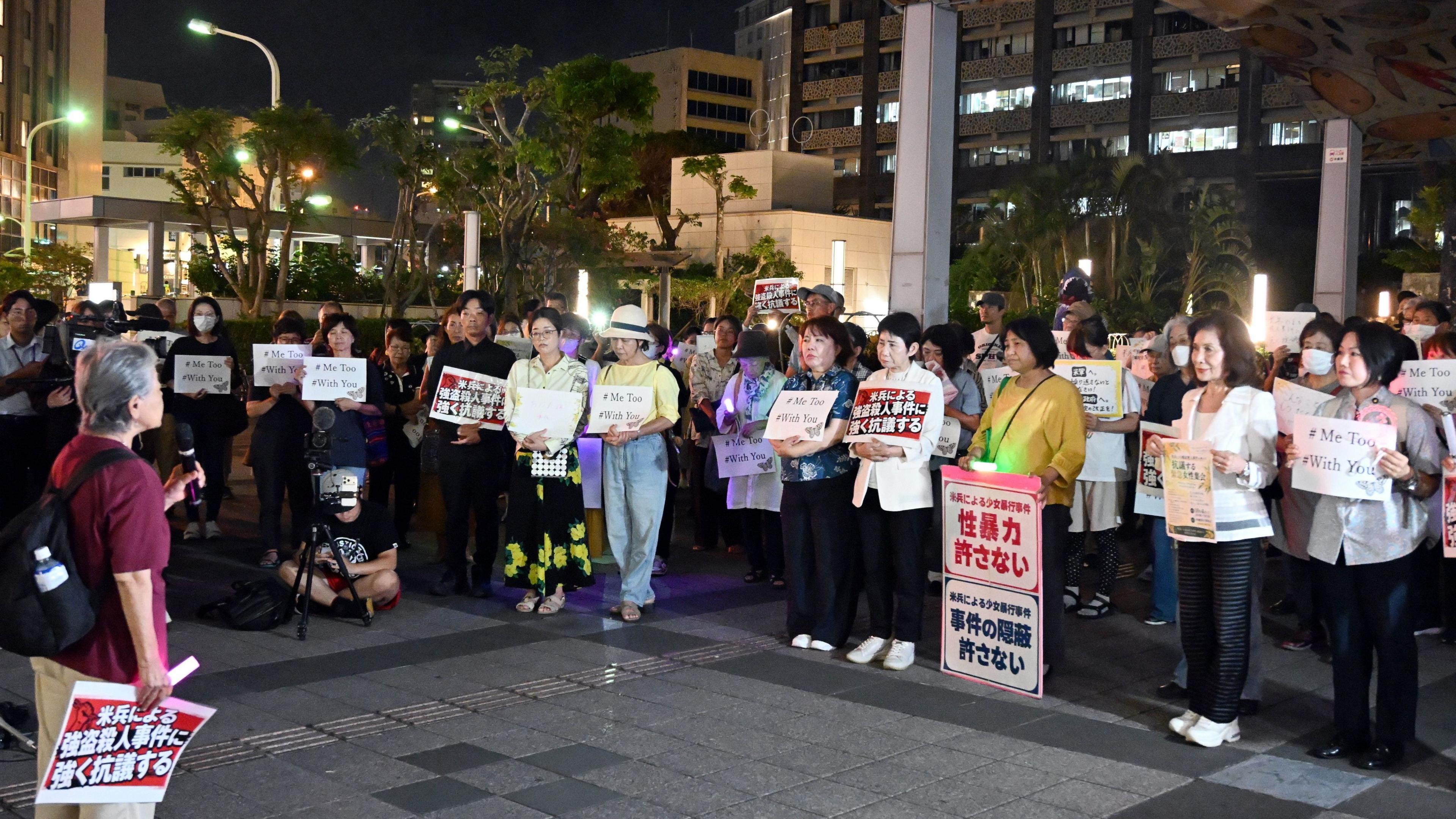
“I want the U.S. administration to stop treating Okinawa as a playground for both our crimes and our emissions,” said a resident protester in Naha. “We’re asking for responsible stewardship of our air, land and waters.”
Re‑emergent protests in both Naha and Tokyo—teeming crowds shouting “Enough is enough” on social media—signal that the island’s voices are becoming louder and harder to ignore.
Okinawa, where U.S. forces stationed 55,000 troops have dominated since 1972, is at the heart of a larger debate: how to align national security with environmental justice and community well‑being. Bridging that divide will require a combination of fair legal frameworks, transparency in pollution data, and genuine engagement from both Japan and Washington in crafting a sustainable path forward.