
Spain’s Congress has rejected a series of measures aimed at tackling the country’s housing crisis, delivering a significant blow to Prime Minister Pedro Sánchez and increasing pressure for early elections.
Lawmakers voted on two decree‑laws introduced by the government in response to nationwide protests triggered by the eviction of Maricarmen Abascal, an 87‑year‑old woman, from her central‑Madrid flat. These decrees included rent‑cap measures, the suspension of evictions for vulnerable tenants and a ban on the purchase of residential properties by so‑called “vulture funds.”
Parliament rejected the first decree by 178 votes to 172, and the second by 184 to 166. Hundreds of demonstrators outside Congress chanted slogans such as “shame on you” and “your profits, our misery,” as the results were announced.
The defeat highlights that Sánchez, a Socialist, lacks a parliamentary majority. Speculation is growing that he may call a snap election, which was not due until next summer. Sources say his team will decide the next steps over the weekend, possibly dissolving Parliament.
The eviction came after Abascal could not afford a sharp rent increase imposed by Urbagestión, the company owning her flat. The eviction sparked a broader movement demanding affordable rentals, prompting protests where people occupied squares, pitched tents and held marches across major cities.
The Tenants’ Union announced it would abandon its tent protest in Madrid and instead “take the struggle to all neighbourhoods, residential blocks and homes” where eviction and rent hikes occur, aiming to mobilise a permanent organisation. Protesters also call for a general strike over the housing crisis.
The government’s two decrees, drafted hurriedly during the unrest, varied in ambition. The first decree temporarily halted evictions for vulnerable tenants, extended two‑year leases, increased tourist‑apartment taxes, and restricted purchases by overseas vulture funds. The second decree, more controversial, mandated automatic renewal of rental contracts—an important demand of the left‑leaning coalition and the Tenants’ Union.
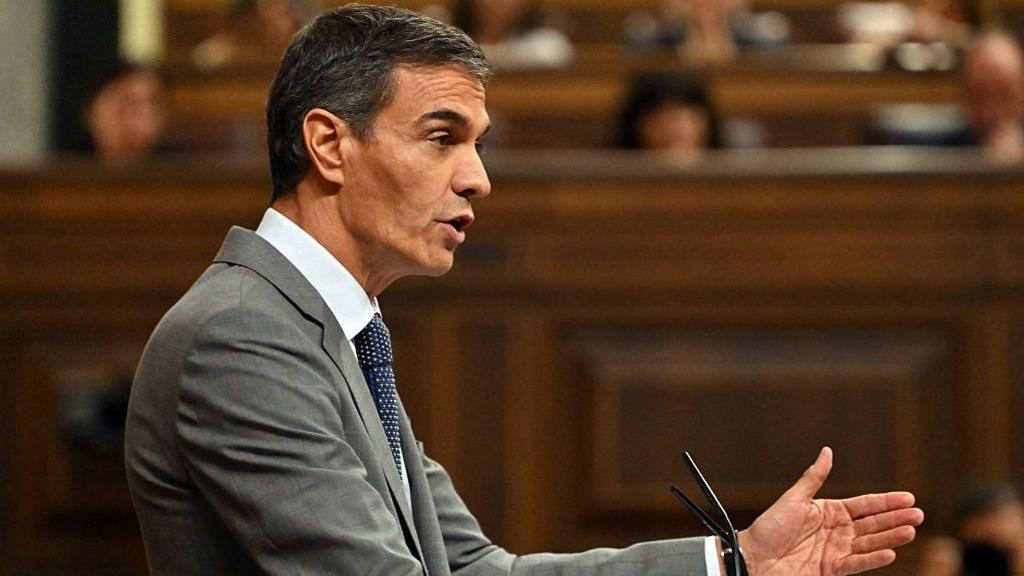
Both decrees faced opposition from the conservative People's Party and far‑right Vox, and the pro‑independence Together for Catalonia had signalled its opposition, leaving the minority government reliant on smaller regional parties. During the debate, Sánchez urged lawmakers to “put order and humanity into the housing market” and warned that failure would “bring down our society.”
Social Affairs Minister Pablo Bustinduy denounced the decrees as a defence of an international oligarchy extracting rents from workers’ salaries and “turning a back on your own people.” Miriam Nogueras of JxCat criticized the haste of the decrees and warned they would allow vulture funds to continue speculating, thereby exacerbating evictions.
Opponents argue that regulatory interventions will frighten homeowners, reducing the supply of rental properties and thus pushing rents even higher. Juan Bravo of the PP replied that housing prices would decline with an increase in new homes rather than decrees. The day’s debate was intense, with supporters and opponents clashing inside Congress and the vote resulted in a clear defeat for the government’s housing proposals.