Brazil’s 2026 presidential election has moved beyond candidate personalities to sharp diplomatic row, as President Luiz Inácio Lula da Silva publicly accused the United States of actively influencing electoral outcomes in favour of former president Jair Bolsonaro’s son, Flavio Bolsonaro.
Lula, who returned to the presidency in 2023 after a decade in opposition, has cracked down on Bolsonaro’s network, alleging it receives covert support from Washington. In turn, the U.S., whose congressional blocs largely back the right‑wing candidate, has been accused of pressuring trade partners to lift tariffs that could financially weaken Brazil’s economy.
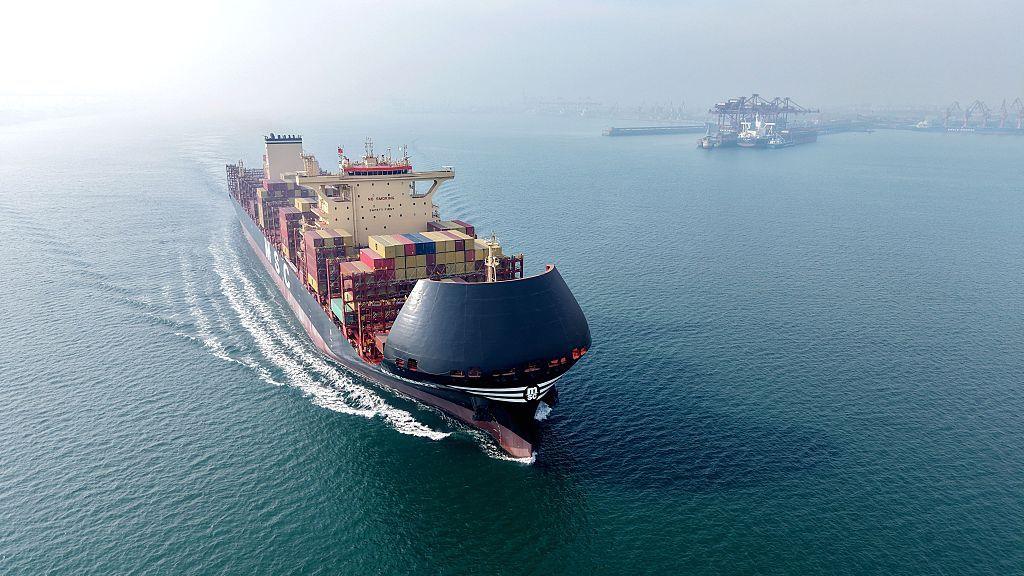
These economic tensions are more than a political spectacle. Higher tariffs could reduce Brazil’s agricultural exports, forcing many farmers to abandon more sustainable practices in favour of quick cash crops that threaten the Amazon’s ecological balance. The Amazon, already under siege from illegal deforestation, could see an increase in logging activities if economic pressure mounts.
The diplomatic clash therefore carries profound climate implications. The country’s environmental policy—and its ability to meet the Paris Agreement targets—relies on coherent governance across domestic and international arenas. As the election campaigns heat up, scientists and climate advocates warn that any slide into authoritarianism could roll back decades of progress in fire‑regulation, land‑use controls, and renewable‑energy investment.
For Brazil and the global community, the outcome will shape not only national sovereignty but also the trajectory of the planet’s climate resilience. Whether the election will fortify Brazil’s stewardship of the Amazon or swing the country back toward policies that favour short‑term gains over long‑term sustainability remains the pressing question for eco‑activists and policymakers alike.