AI‑generated Victim Video Forces Resentencing in Arizona Road Rage Case

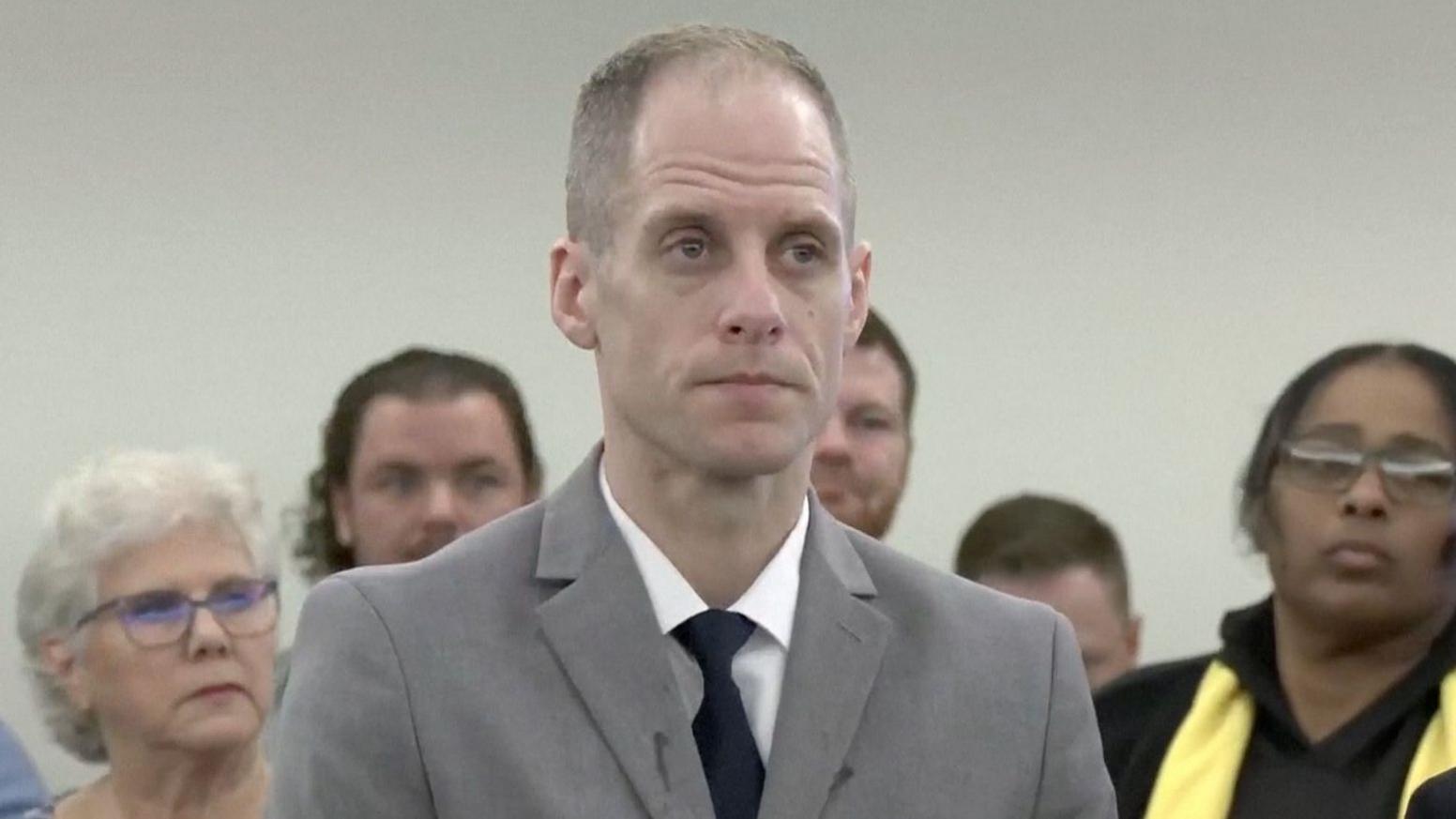
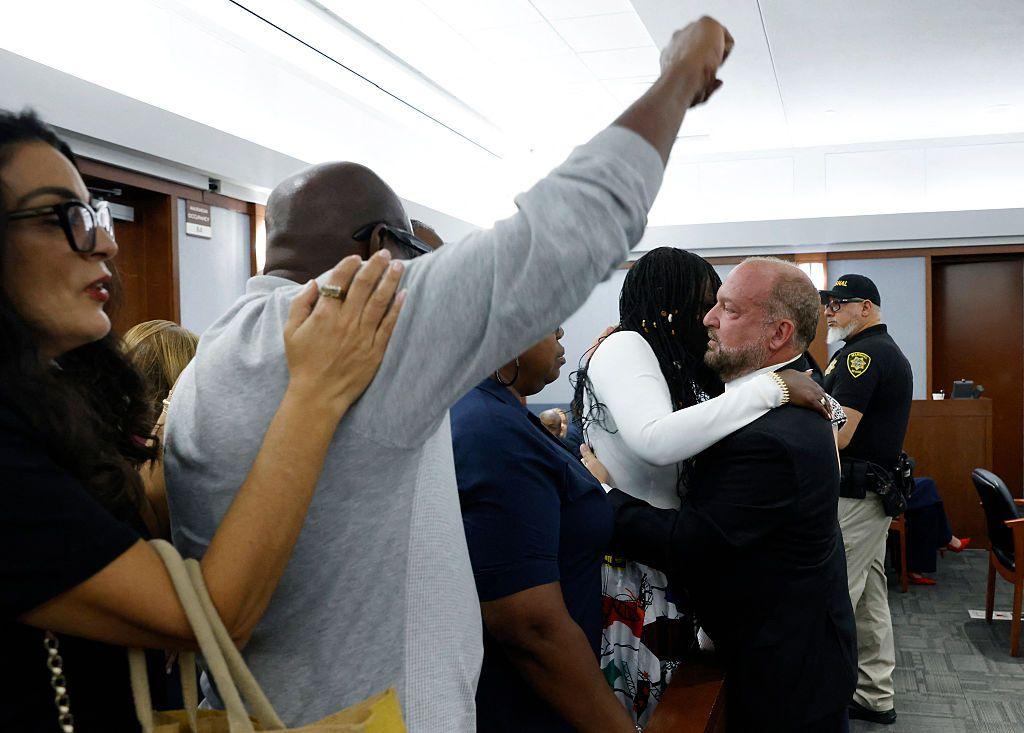
In a landmark decision, the Arizona Court of Appeals overturned a 10‑year sentence for Gabriel Horcasitas, the man who shot and killed Christopher Pelkey at a traffic light in 2021. The court cited the use of an AI‑generated video of Pelkey’s family that was shown during the trial, stating it crossed procedural boundaries and threatened the defendant’s right to a fair process.
The suspect was convicted by a jury and had originally received a decade in prison. However, his legal team argued that the courtroom clip—created from voice and visual recordings by Pelkey’s sister—constituted a fabricated representation of the victim, potentially prejudicing the jury and undermining the evidentiary standards.
Judge Todd Lang had praised the video’s emotional resonance, telling the court, "I loved that AI, thank you for that. As angry as you are, as justifiably angry as the family is, I heard the forgiveness." Yet the appeals court found that the depiction of the victim’s thoughts and perspective, imagined by family members, violated the court’s integrity.
"I believe in forgiveness, and a God who forgives. I always have and I still do," the AI version of Pelkey declared in the video, wearing a grey baseball cap.
The decision underscores a growing debate over synthetic media in legal contexts. Courts now face questions about authenticity, consent, and the admissibility of non‑human narratives. Experts warn that similar technologies—used to model wildlife migration or predict climate impacts—may face scrutiny unless clear ethical guidelines are established.
Environmental scientists are already exploring AI for forecasting weather patterns and assessing ecological risks. This case may well influence how policymakers evaluate the credibility of AI‑produced evidence in both criminal justice and climate policy arenas.
Horcasitas has been ordered to return to court for resentencing, a move that may retrench the jury’s original deliberations or lead to a revised outcome entirely. Meanwhile, the appeals ruling serves as a cautionary tale for those who wish to harness AI’s persuasive power in settings that demand rigorous standards of evidence and fairness.