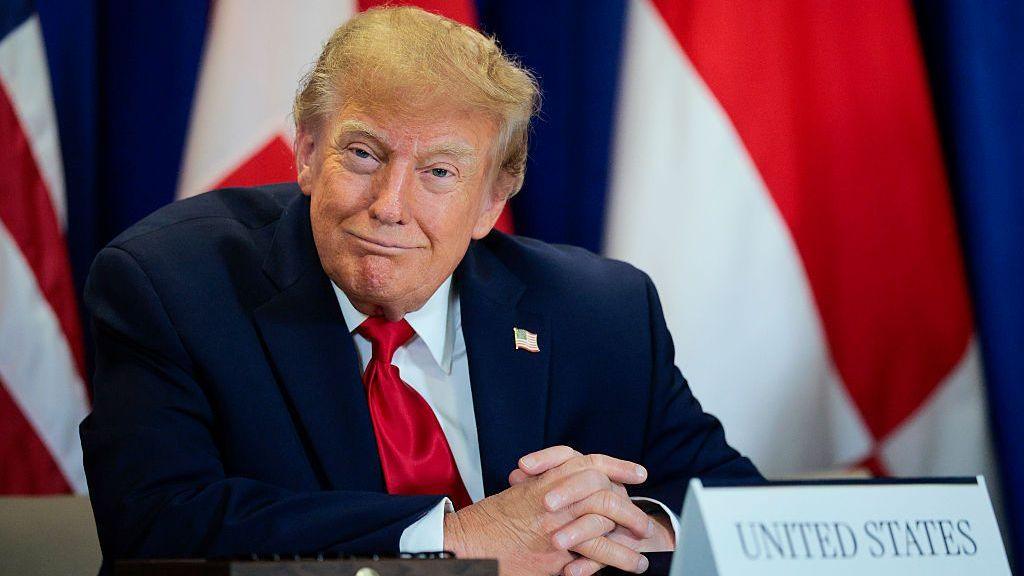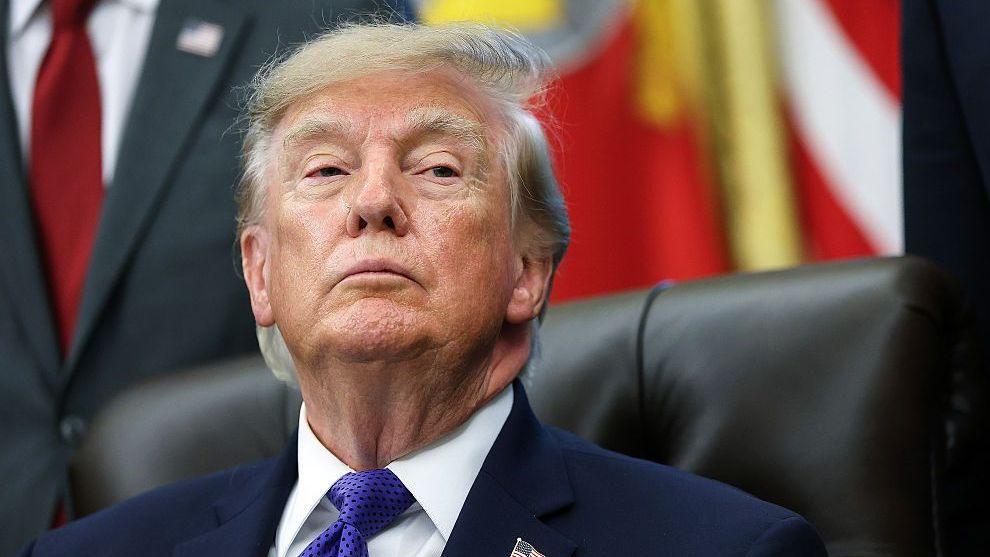
Trump announced on Sunday the creation of a “Super Intelligence Force” to steer U.S. AI policy, naming the nominee for Director of National Intelligence Jay Clayton as its chief.
The new task force will coordinate government engagement across sectors, from consumers and public‑interest groups to critical‑infrastructure providers and AI firms. It will report directly to the president and White House Chief of Staff Susie Wiles.
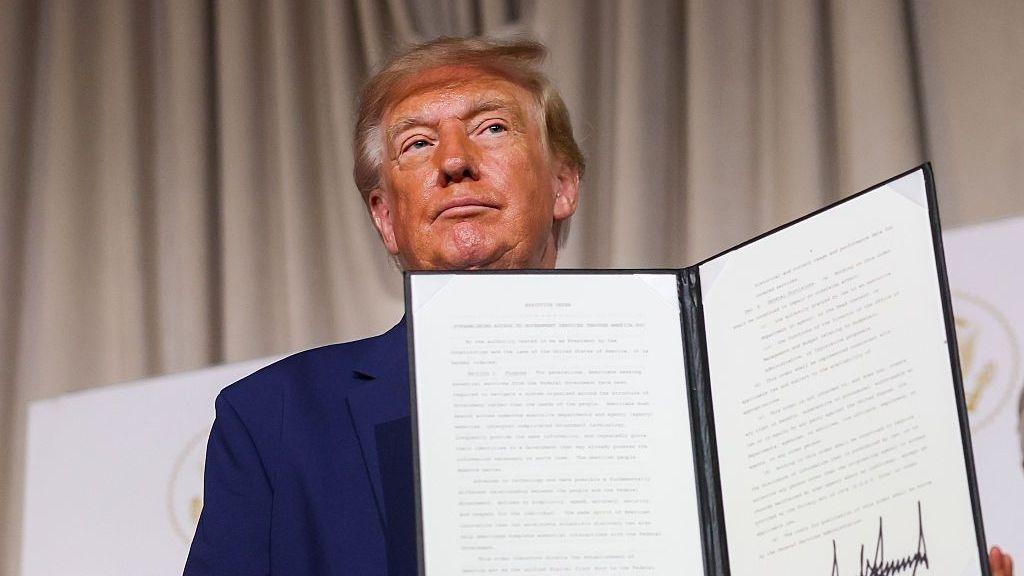
Just weeks earlier, the president signed an executive order renaming artificial intelligence as “Super Intelligence” (SI) to avoid the perceived pretence of the word “artificial.” The order requires all federal agencies to use SI in official communications.
Climate researchers praise AI’s potential for modelling extreme weather, tracking carbon emissions, and optimising renewable‑energy grids. However, the rebranding and new regulatory framework risk creating confusion and slowing the rapid deployment of AI tools that are already transforming climate science.
Mr Clayton, whose past experience includes leading complex investigations against drug traffickers, emphasised that when technology poses both opportunity and threat, it must be carefully managed: “When something’s both an opportunity and a threat, you better get your arms around it.”
The task force will include other key officials, such as Federal Trade Commission Chair Andrew Ferguson, Under‑secretary of Defense for Research and Engineering Emil Michael and Director of Personnel Management Scott Kupor, signalling broad inter‑agency involvement.
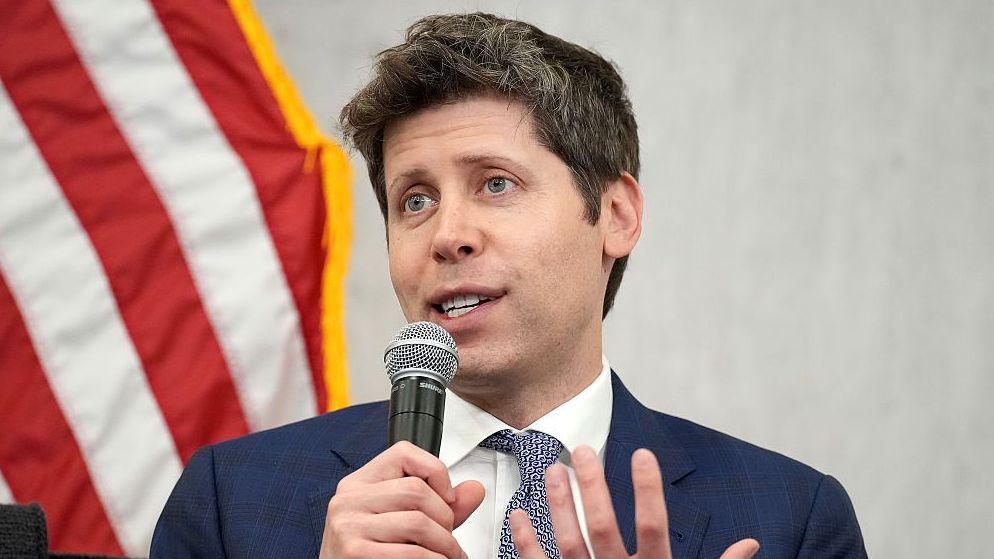
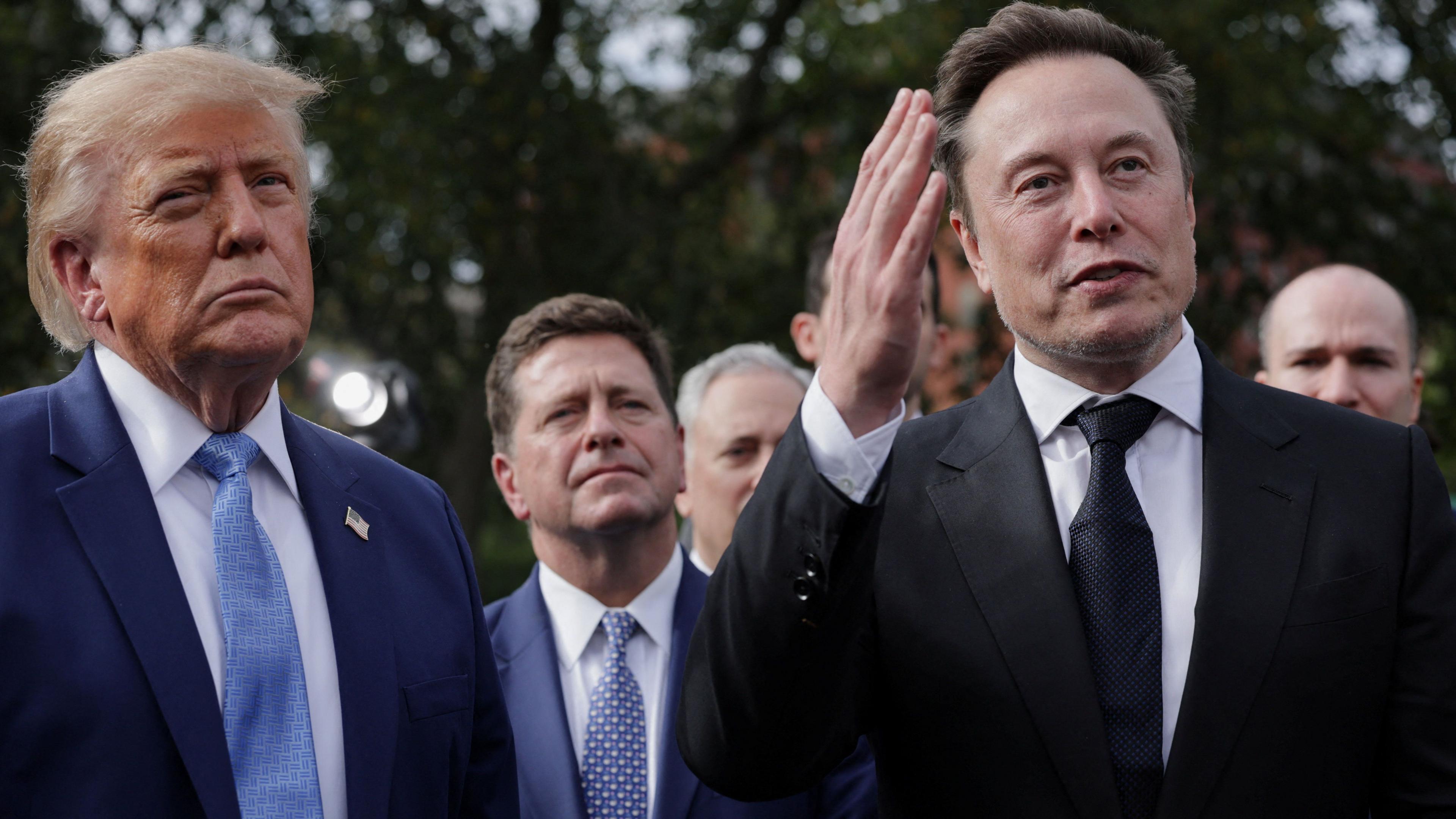
Notable tech leaders have already begun adopting the new terminology. Elon Musk announced on social media that SpaceXAI will become SpaceXSI, while OpenAI CEO Sam Altman has argued that AI’s benefits supersede its risks. Critics, including climate‑tech advocates, warn that the policy could hinder open‑source research essential for resilient climate solutions.
The policy also introduces a board to oversee AI safety, following a “morally binding” pact signed by executives from OpenAI, Anthropic, SpaceX and Google on September 29. The board’s influence on climate‑focused AI initiatives remains to be seen, raising questions about the balance between self‑regulation and government oversight.
As the Super Intelligence Force rolls out, scientists and policymakers will monitor whether the new governance model unlocks AI’s potential to model climate dynamics, optimise energy networks and accelerate the transition to a low‑carbon economy, or instead imposes barriers that slow crucial innovation.