In brief
Kenya’s High Court dismissed a six‑year legal fight by the Rastafarian Society to secure a religious‑use exemption for cannabis. Justice Bahati Mwamuye affirmed that the Narcotic Drugs Act remains constitutionally valid despite the community’s claim that the plant is central to their faith. While the ruling crushes a specific appeal, it opens a broader national dialogue about potential future regulation and the place of faith‑based exemptions within Kenya’s drug regime.
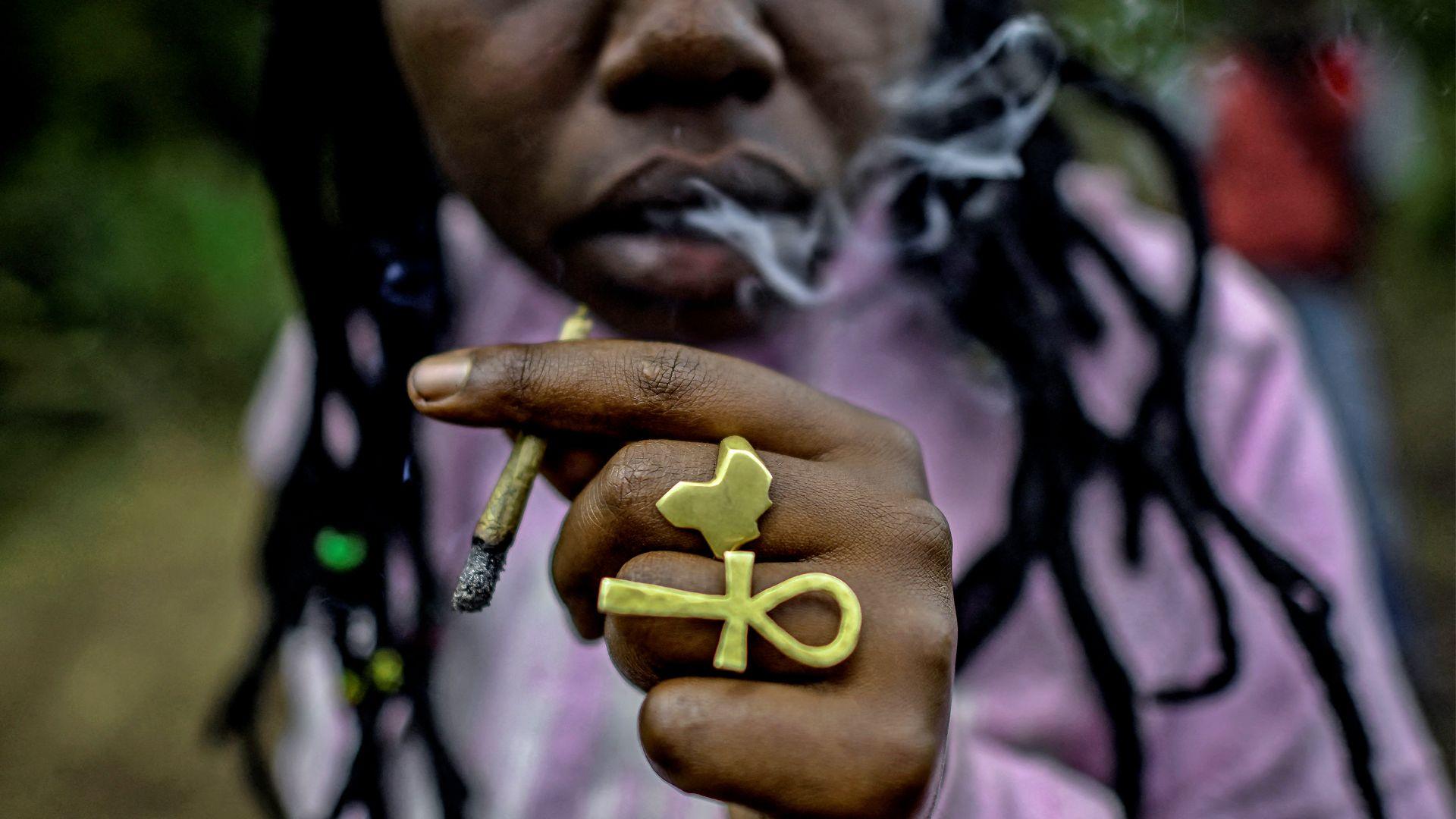
The Kenyan High Court dismissed a legal challenge brought by the Rastafarian Society of Kenya (RSK) that sought an exemption to use cannabis in worship. The court ruled that existing drug laws do not violate the constitutional right to religious freedom.
Justice Bahati Mwamuye explained that, while cannabis may hold symbolic importance for Rastafarians, the court found insufficient evidence that its use was an essential part of the faith. He emphasised that any exemption would have to withstand strict scrutiny to avoid loopholes for illegal trafficking.
The RSK had sought permission for its followers to grow, possess and use cannabis privately, but did not request a wholesale legalization. The court’s decision after six years of litigation, which culminated after the 2020 ruling recognising Rastafarianism as a protected religion, deals a blow to the community’s campaign.
Under Kenya’s Narcotic Drugs and Psychotropic Substances (Control) Act, possessing cannabis for personal use can lead to imprisonment up to five years or a fine up to $800 (£600). Cultivation attracts up to 20 years behind bars or a fine of $1,900 (≈£1,200). Trafficking faces heavier penalties.
The judge noted that the debate over cannabis in Kenya extends beyond religious contexts, inviting broader discussions about its industrial and medicinal potential. He called: "We ought to have frank conversations on cannabis and which directions we should take. This is not a question for the Rastafarian community only. It is a national question that cuts across the entire spectrum of our society."
RSK’s lawyer Danstan Omari announced the group will appeal the ruling, arguing the court should second a landmark decision that afforded them protection against discrimination. The appeal will again test the intersection of faith rights and drug policy.