In brief
Zambia’s voters held a presidential and parliamentary vote today, with more than eight million registered voters casting ballots. Incumbent President Hakainde Hichilema faces a two‑horse contest against former minister Brian Mundubile as the country confronts rising living costs and questions about political freedoms. The results will determine whether Zambia’s ambitious infrastructure drive, which includes renewable energy projects, can continue. A successful election could strengthen Zambia’s position as Africa’s most stable democracy.
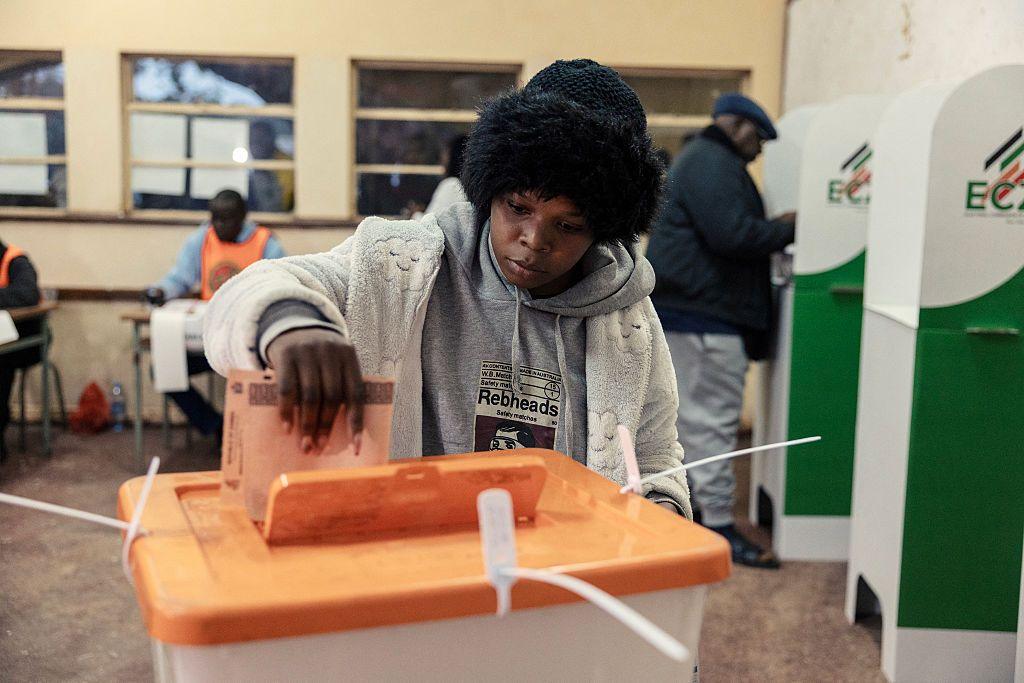
Over 8 million Zambians have cast their ballots today in a presidential and parliamentary election that will determine the country’s trajectory for the next five years. The polls opened at 06:00 local time (04:00 GMT) and closed at 18:00, with voters lining up early in a chilly morning in Lusaka. The election is seen as a litmus test of Zambia’s reputation as Africa’s most stable democracy, especially as concerns grow that political freedoms may be slipping back. Economic pressure remains high, with unemployment and the cost of living continuing to be major worries for the electorate.
Incumbent President Hakainde Hichilema, who led the country through an economic rebound, is hoping to secure a second five‑year term. He campaigns on a promise of more job creation and an “ambitious infrastructure drive” that includes expanding renewable energy facilities – a key lever in Zambia’s climate strategy. His main rival, former minister Brian Mundubile, draws support from the late former president Edgar Lungu’s backers and has positioned himself as a change‑maker.
Zambians are frustrated and this election is a 50‑50, that is why we are all here early to make the change,
says Mwiche Nalupumbwe, 26, who waited in the queue before polls opened.
I voted for HH because he cares about us — things are better after he re‑introduced meal allowances,
Critics point to infrastructural challenges that clash with the temporary gains of economic policy. The ongoing debate over the burial of the late President Edgar Lungu, still unburied in South Africa, is heightening political tensions in Zambia. The outcome of today’s election could influence future investments in green infrastructure, especially as Hichilema’s team promises major upgrades in transport and clean energy.
A final note: a presidential candidate needs a majority of 50%+ in the first round to win outright. If no one reaches that threshold, a runoff will be held within 37 days. The nation watches closely, hoping that the democratic process will lead to policies that not only revive the economy but also strengthen Zambia’s ecological resilience.