In brief
A Kenyan judge ruled that Health Minister Aden Duale had ignored a court order to stop building an Ebola quarantine centre at Nanyuki, prompting him to apologise and halt construction. The facility — a US‑backed 50‑bed isolation centre for suspected American citizens fleeing the DRC outbreak — had already seen work begin despite a court stay. The decision highlights tensions between international aid, national sovereignty and public pressure, with protests in Nanyuki resulting in three deaths, including a 17‑year‑old schoolboy. Experts warn that such rapid infrastructure projects must consider environmental and health impacts, particularly in regions already facing climate‑related stresses.
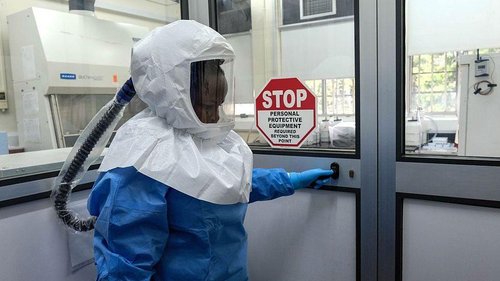
Health Minister Aden Duale ordered the immediate halt of construction on a controversial 50‑bed Ebola quarantine centre at the Nanyuki military airbase after a High Court judge found him in contempt for ignoring a stay ruling.
The facility, funded by the United States and intended for suspected American citizens fleeing the Democratic Republic of Congo, already had tents and tarmac in place when the court decree came. Satellite images released by BBC Verify show a dust‑dense site expanding since the stay order.
The judge’s ruling was the first time a Kenyan minister faced sanction for contempt in a public health case, underscoring the growing legal stakes of the Ebola facility debate. Duale apologised to the bench and described himself as a “technician‑driven” decision‑maker, yet admitted the building had continued.
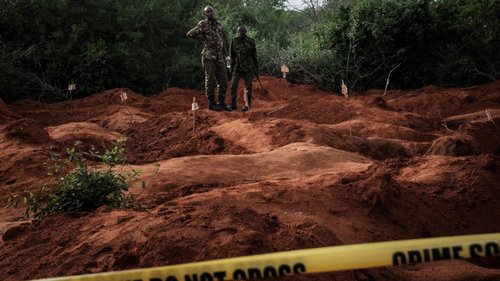
The halt comes amid fierce community protests. Nanyuki residents, angered by the sudden construction, staged demonstrations that turned violent, leading to three deaths, including 17‑year‑old Sylvester Muigai Ndungú, a schoolboy who was shot during the clash. The youth’s family photo, captured by Citizen TV, highlights the human cost of the dispute.
Environmental and public health experts caution that rapid infrastructure projects can undermine climate resilience. The Kenyan Human Rights Institute, Katiba, already warned that the site posed “grave and imminent risks” to local communities. The facility’s placement far from population centres was cited by Duale as a safety measure, but critics argue it ignores the broader ecological implications of expanding land use amid climate change pressures.
President William Ruto has defended the US partnership, arguing a refusal would be “inhuman.” Yet the case reflects the tension between international humanitarian aid and local autonomy, especially when projects intersect with environmental stewardship.
The United States pledged $13.5 m (£10.7 m) to Kenya’s Ebola preparedness, part of a larger $112 m commitment for the region. This episode reminds policymakers that successful public health responses must integrate environmental considerations to maintain sustainability and community trust.