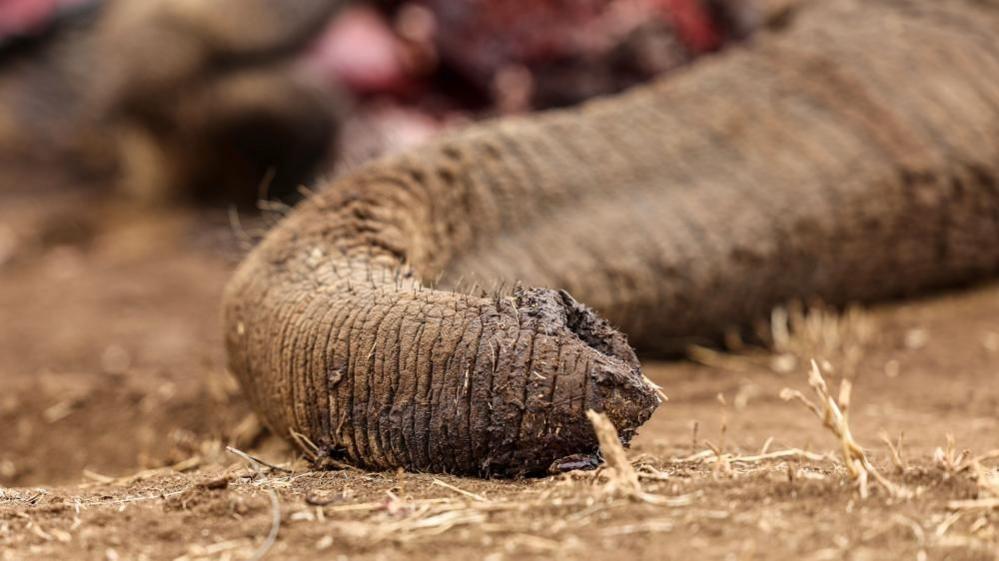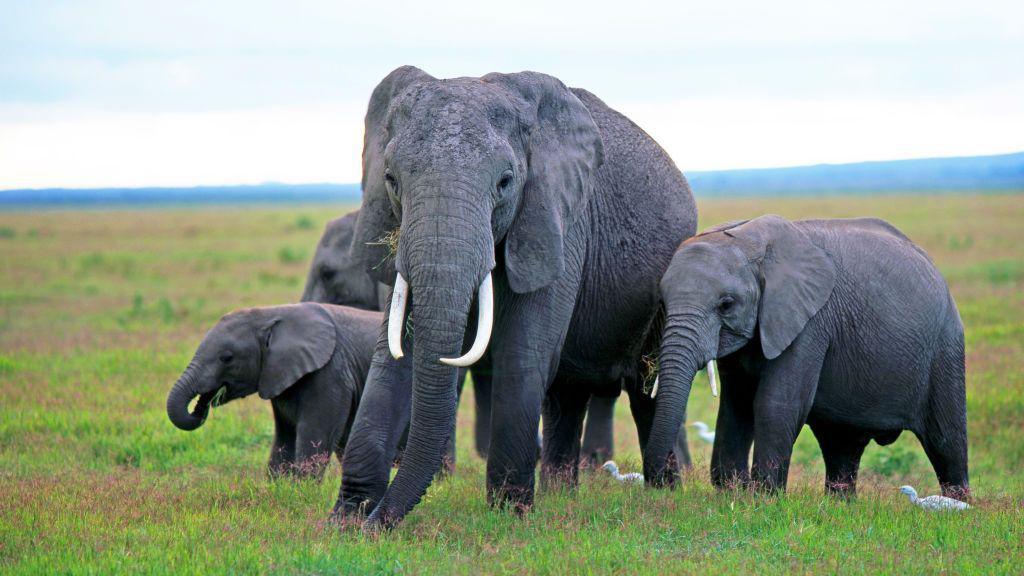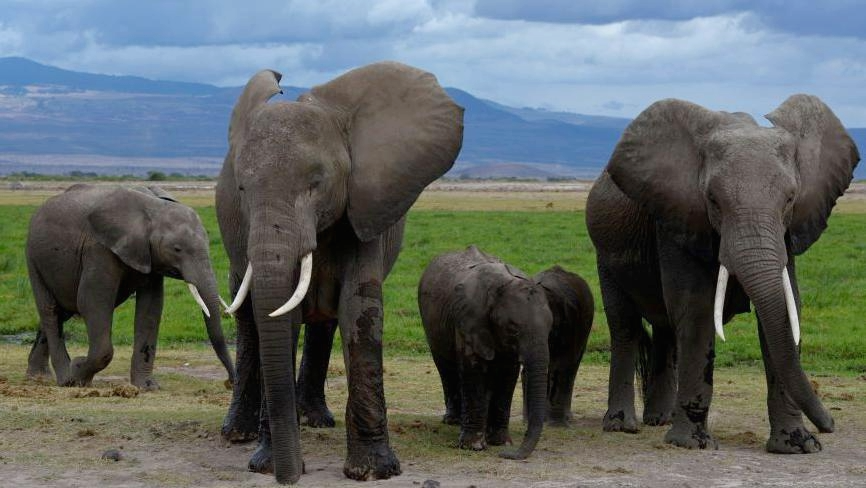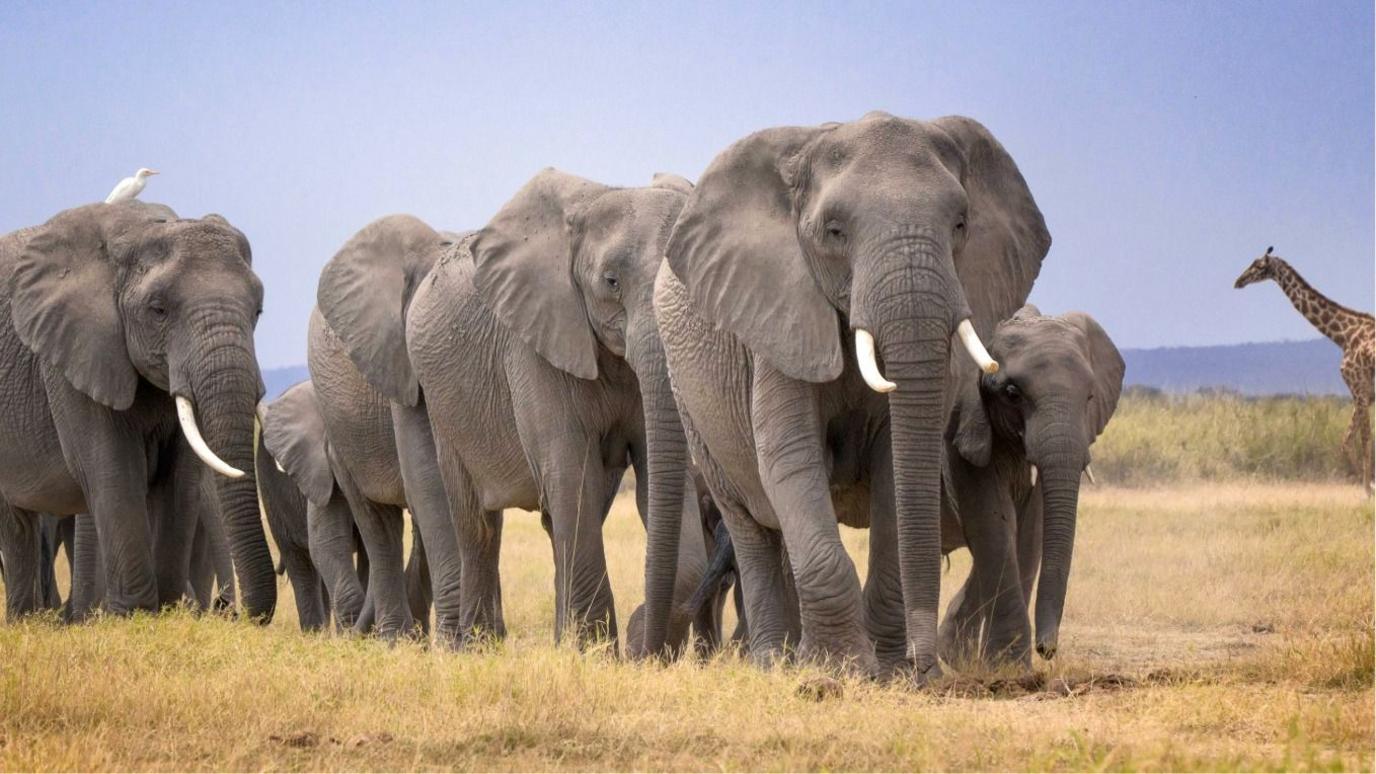
In the heart of Kenya’s Amboseli ecosystem, a sudden wave of 14 elephant deaths has jolted conservationists and sparked a swift, investigative response.
The Kenya Wildlife Service (KWS) announced that forensic teams are examining the carcasses, and that tissue samples have been dispatched to reputable laboratories for testing. Authorities are exploring a spectrum of possibilities — from opportunistic disease outbreaks and accidental or deliberate poisoning, to broader environmental stressors that may be silently affecting the herd.
The incident marks a significant shift, as it bears the first record in decades of mass mortality in an area where anti‑poaching initiatives have traditionally reduced threats. The absence of a clear, singular cause deepens the mystery, with experts pointing to the variety of ages and sexes involved, suggesting that a common, yet undiscovered, factor may be at work.
Officials have mapped the locations of the found carcasses, noting sightings ranging from 15 to 30 kilometres from the park’s borders. According to recent data from the Amboseli Trust for Elephants, the ecosystem supports over 2,000 elephants, many of whom may now face added risks as the investigation unfolds.
To follow detailed updates and expert insights, stay tuned to Echosphere’s live coverage and expert panels as we bring you the latest developments on this alarming event and its implications for wildlife health and conservation strategies worldwide.