Nairobi Road Blockades: A Call for Climate‑Aware Governance
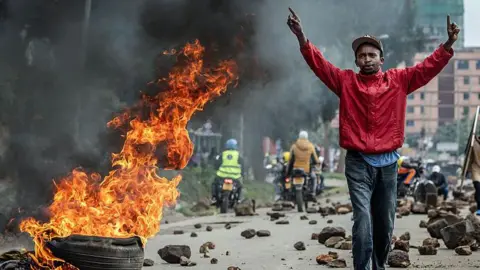
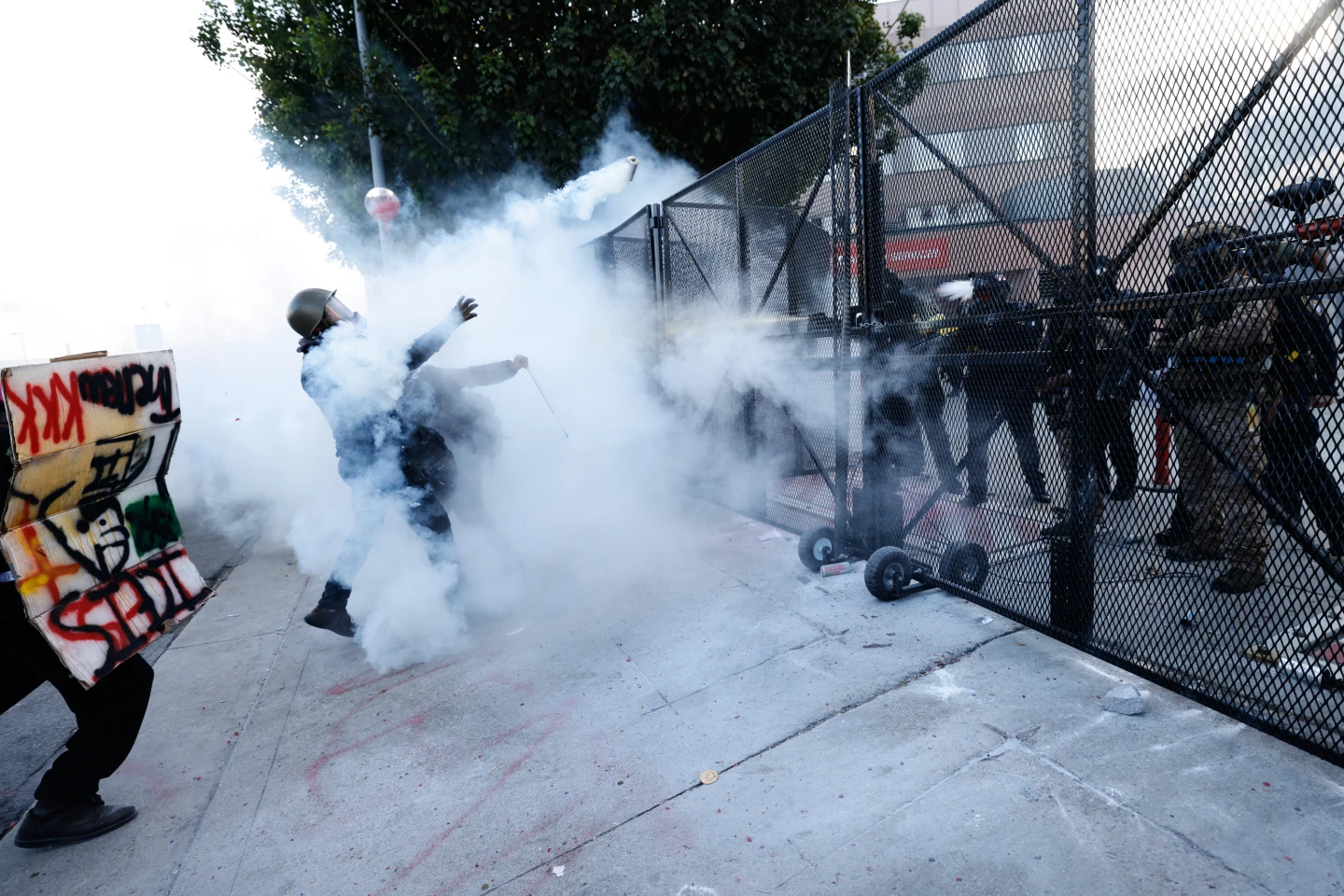
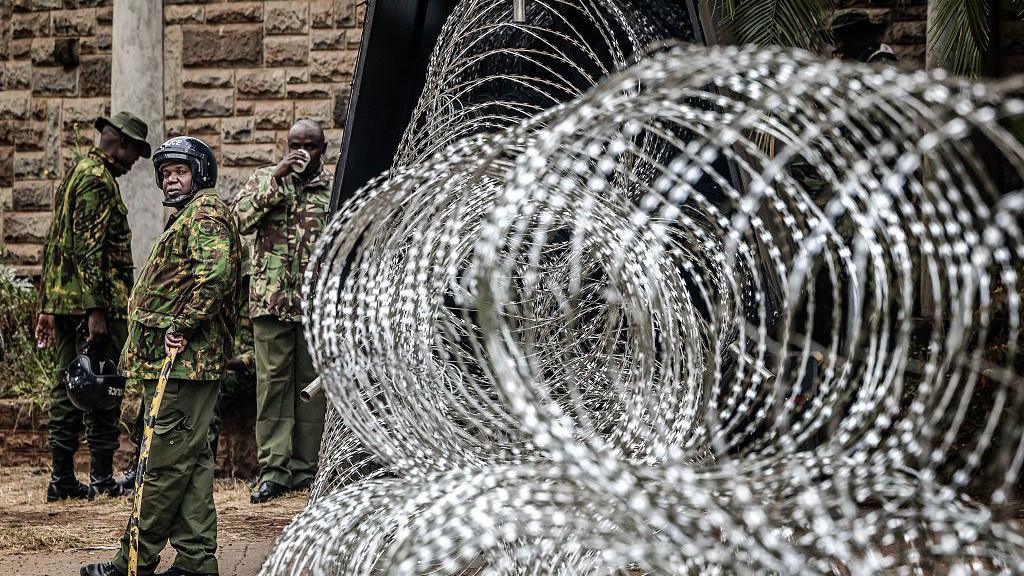
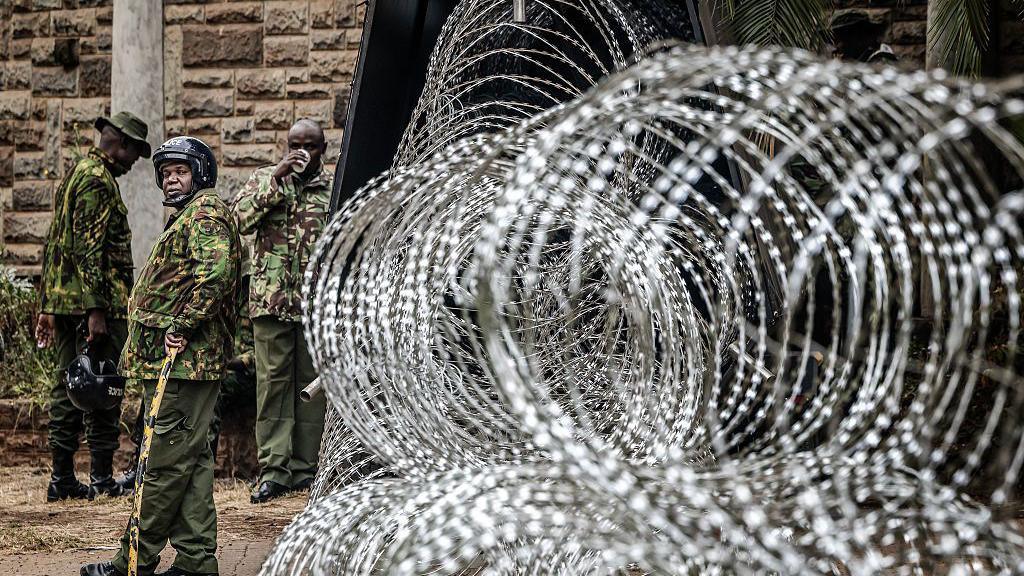
Police in Kenya have sealed off several key roads leading into central Nairobi ahead of a nationwide wave of Gen‑Z protests marking the second anniversary of deadly anti‑tax demonstrations.
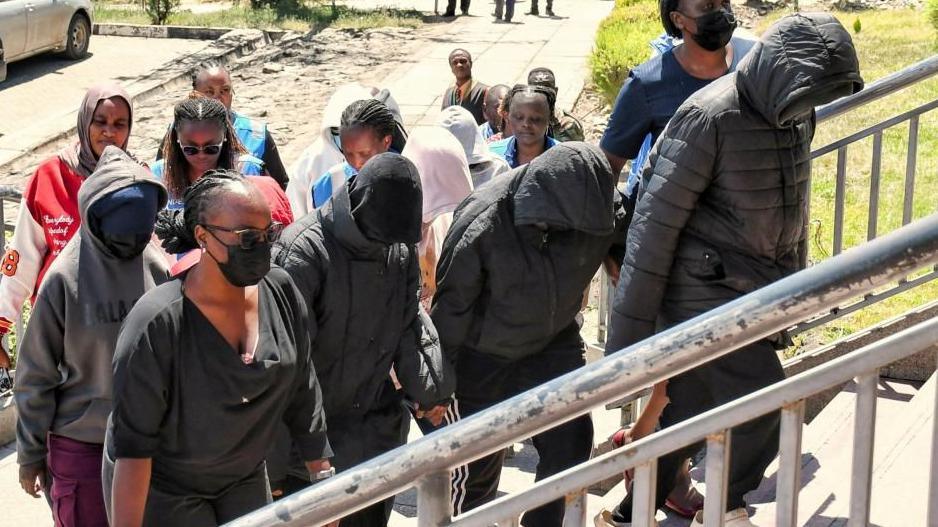
The protests began after fears of proposed tax hikes in June 2024, culminating in a storming of the parliament and the withdrawal of the controversial finance bill. Protesters now demand justice for more than 80 people killed and dozens injured during 2024’s anti‑tax demonstrations.
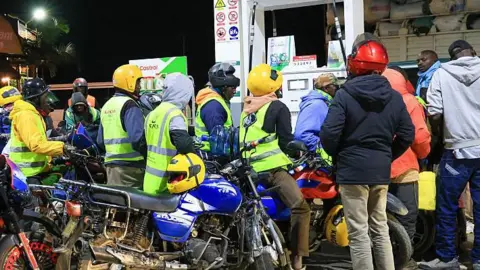
In the days leading up to the event, commuters were stranded, businesses and schools closed, and traffic authorities reported heavy congestion.
President William Ruto announced a nearly $15 million fund for protest‑related human‑rights abuses, yet human‑rights organisations have criticised the plan for its narrow victim list and lack of transparency.
Opposition leaders, including Kalonzo Musyoka and Martha Karua, joined families of the victims to lay wreaths at parliament, expressing solidarity and calling for peace.
The unrest underscores the complex relationship between fiscal policy and environmental commitments. Kenya’s climate financing plans rely on stable tax frameworks, and the protests’ demands for transparent governance echo the broader call for climate‑responsive policies.
While police maintain a heavy presence on major routes, all participants petition the government to oversee the protests without tear gas or violence, citing losses from past demonstrations.
The incident signals that climate policy must align with civic engagement and justice for all citizens, especially amid rapid socio‑economic change.
Source: AFP via Getty Images