In brief
Kenya's dairy shortage is crippling the nation's love for chai as milk stocks dwindle and prices climb. Drought and delayed rains have reduced pasture, cutting fresh milk supply by 3.7% between June and July, while cost of animal feed surged 45%. Retailers are limiting how much milk shoppers can take home, sparking public outrage and conspiracy theories. The government is pledging to import milk, support farmers with feed subsidies, and develop buffers for future shortages.
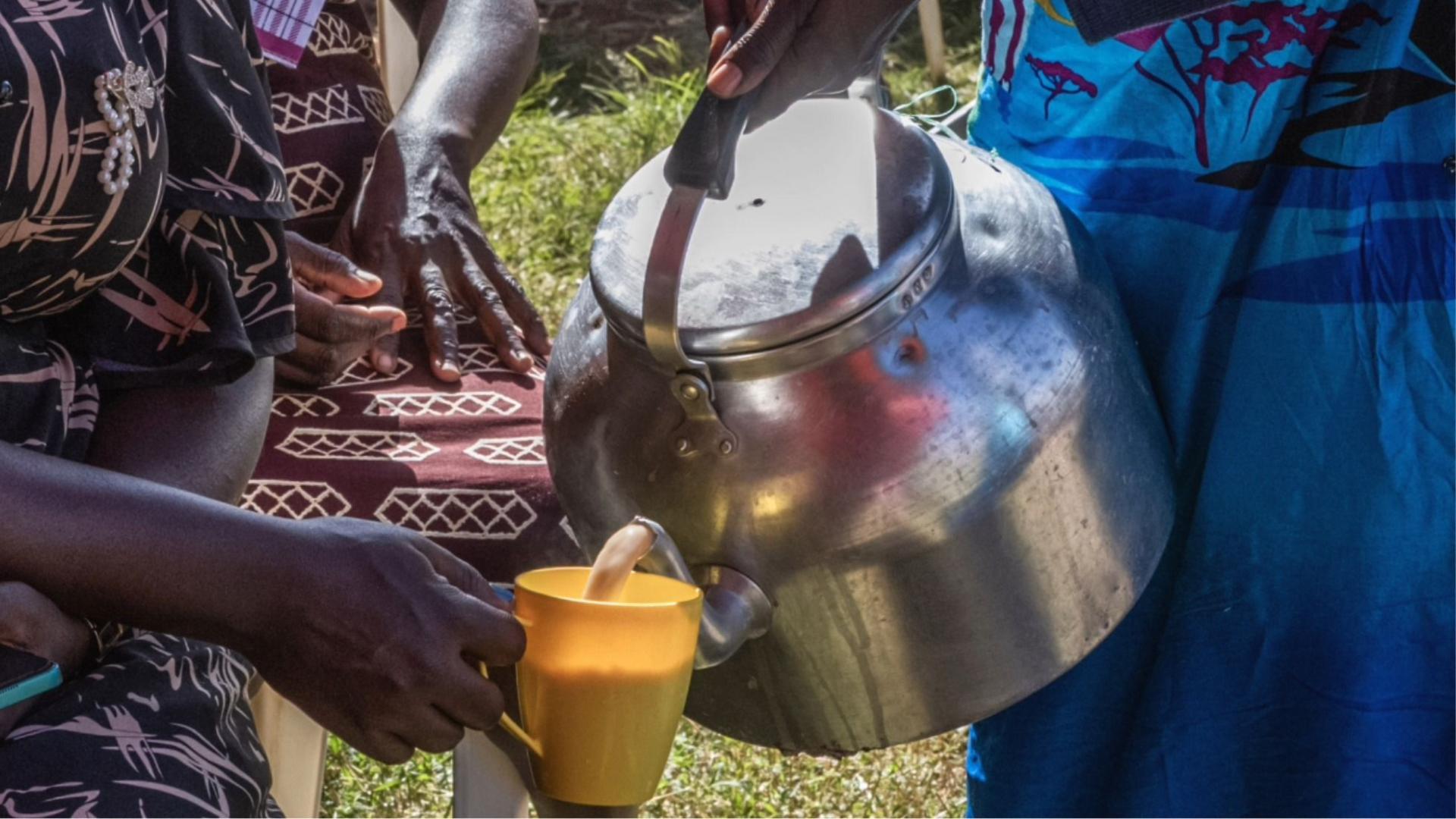
Kenyan consumers who wake every morning with a steaming cup of chai now face a cruel reality: the milk that makes it taste so rich has vanished from supermarkets. The dairy sector, once one of Africa’s strongest, is rattled by a drought that flattened pasture and forced farmers to skimp on feed, sending a 45% rise in animal‑feed costs and a plunge in fresh‑milk deliveries. “Where has the milk gone?” asked Muthoni Macharia, owner of a Nairobi restaurant that typically stocks more than 70 packets of fresh milk for her regulars.
When the first packets reported at a local shop, many customers became frantic as fresh milk was often listed at 80 Kenyan shillings (about US$0.62) per litre – a jump from the earlier 70 shillings. Some patrons had to add water to milk or drink it black, a stark contrast to Nairobi’s daily routine of adding milk to tea or coffee. The Consumer Federation of Kenya (Cofek) has warned that the shortage is avoidable and that helping farmers with better feed and buffering mechanisms would have eased the impact.
The Kenya Dairy Board admitted supply constraints across the country, and the mandatory processor New KCC failed to absorb last year’s surplus of milk. Consequently, producers are left with little option other than to send perishable cream to waste. As demand rises, the country faces a classic food‑security dilemma: too much milk produced in the wet season and too little during the dry months.
The government’s agriculture ministry is stepping in with a multi‑tiered plan: duty‑free import of yellow maize to ease a shortage of feed, a proposal for a fund to support milk preservation, and a possibility of importing milk from neighbouring countries to ease the crisis. Officials are also promised active price monitoring to deter theft and gouging of fresh pasteurised milk, which is more susceptible to spoilage.
While short‑term solutions deal with the current panic, experts argue that Kenya needs a long‑term buffer system – turning excess milk into powder during surplus periods and reinstating it as fresh milk when shortages emerge. Until such systems are in place, the straightforward reality remains: Kenyan chai lovers may have to find alternative ways to enjoy their beloved drink, or wait until the next season when pasture returns and cow feed is cheaper.