In brief
A sudden outbreak of 14 elephant deaths in the Amboseli ecosystem of southern Kenya has prompted an urgent investigation by the Kenya Wildlife Service. Authorities have collected tissue samples for laboratory analysis to rule out disease or poisoning. The deaths involve animals of different ages and genders across multiple sites near the park. With over 2,000 elephants in the ecosystem, the losses are significant for conservation. Researchers stress the need for rapid-response protocols to protect the region’s megafauna and highlight the ongoing challenge of safeguarding wildlife amid environmental pressures.
Mysterious deaths of 14 elephants in Kenya spark urgent investigation
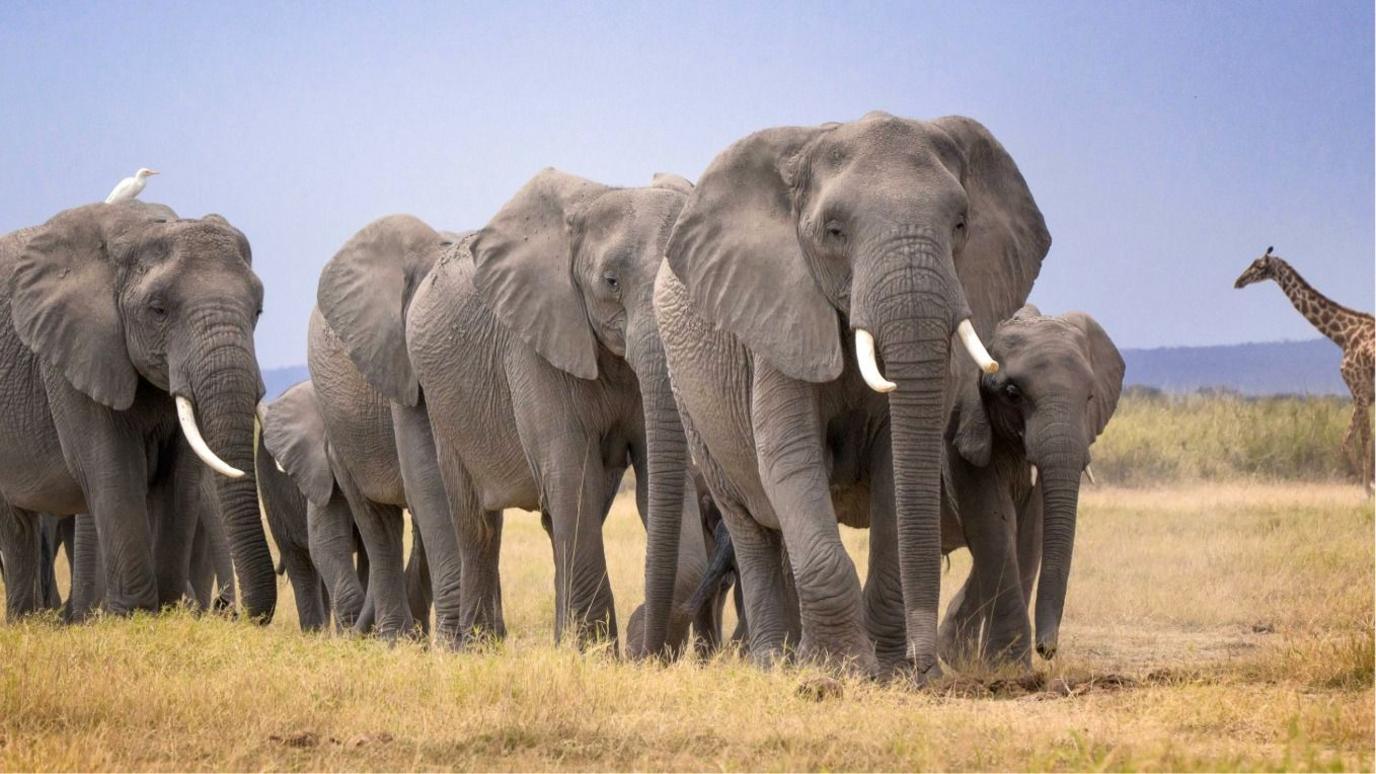
An urgent investigation has been launched after 14 elephants were found dead in the Amboseli ecosystem of southern Kenya, a region previously noted for its thriving wildlife and successful reduction of poaching.
The Kenya Wildlife Service (KWS) announced that teams are examining the carcasses and have sent tissue samples to laboratories to determine whether the deaths stem from disease, poisoning, or other causes. No single cause has yet been identified.
The carcasses represent elephants of varying ages and genders, indicating that the deaths are not restricted to a single herd. Locations of the remains span 15–30 km around the park’s boundaries.
Official counts from the Amboseli Trust for Elephants show that more than 2,000 elephants inhabit the ecosystem as of 2025, underscoring the significance of the loss in proportion to the population.
Experts emphasize the need for comprehensive health monitoring and rapid-response protocols to safeguard the region’s iconic megafauna. The incident highlights ongoing challenges in wildlife conservation amid environmental pressures and human-wildlife conflict.
For more on African wildlife, visit BBCAfrica.com or follow @BBCAfrica on Twitter.