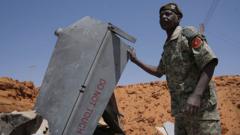
A drone strike on a funeral procession at a cemetery in El‑Obeid, northeastern Sudan, killed at least four mourners and wounded several others, human rights groups Sudan Doctors Network and Emergency Lawyers reported. The attack, which struck the crowd as they were paying last respects, was part of a broader series of drone operations that began the previous Wednesday and have already claimed 23 lives.
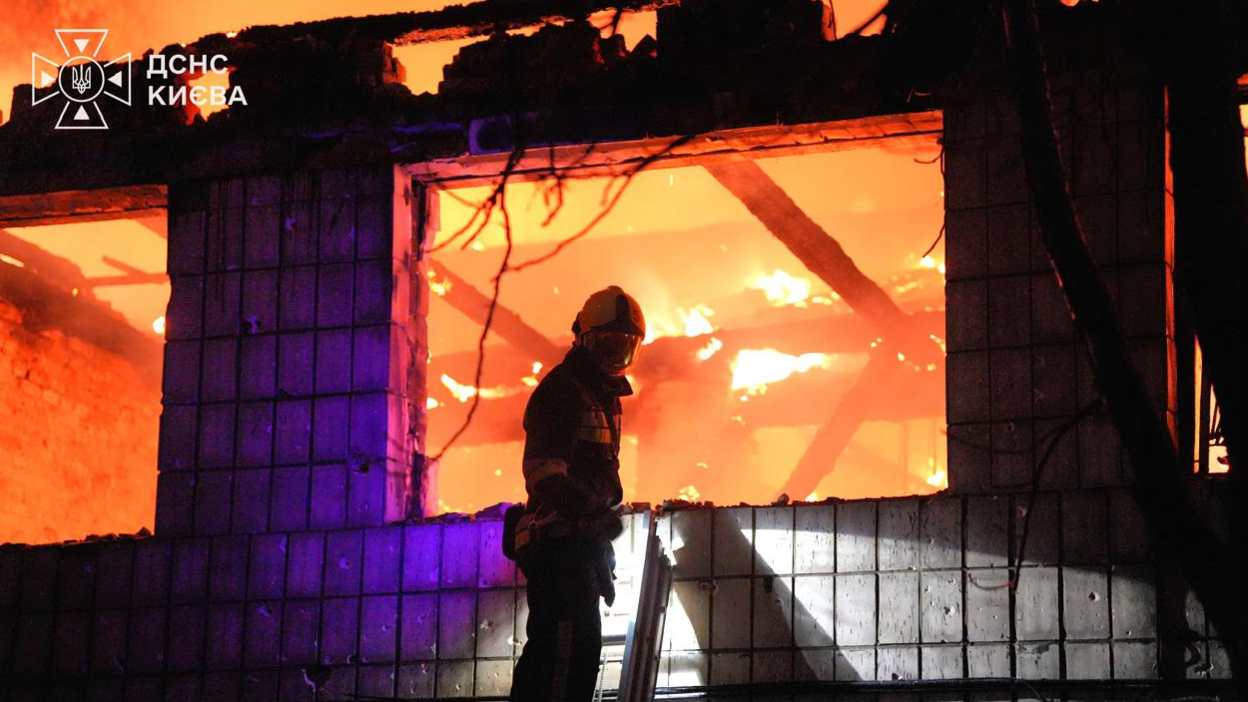
Both NGOs blame the paramilitary Rapid Support Forces (RSF) for the strike. Although the RSF has not issued a comment, the pattern of drone activity—including attacks on residential homes, an airport district and areas around an army base—suggests a systematic campaign against civilian infrastructure.
El‑Obeid remains a key battleground in Sudan’s three‑year civil war that erupted after the army and RSF clashed over the country’s future direction. The city sits in the oil‑rich Kordofan region, a strategic pivot between RSF‑controlled western zones and army‑led eastern territories. Analysts say whoever controls this area effectively controls much of Sudan’s oil supply and, by extension, a large portion of the nation’s economic sovereignty.
The fighting has already displaced more than 11 million people and thrust 28 million into acute hunger, making it one of the world’s worst humanitarian crises. The war’s relentless toll on civilians not only devastates livelihoods but also delays climate‑adaptation projects—water‑management schemes, renewable‑energy installations and agricultural resilience initiatives that depend on stable governance and resource allocation.
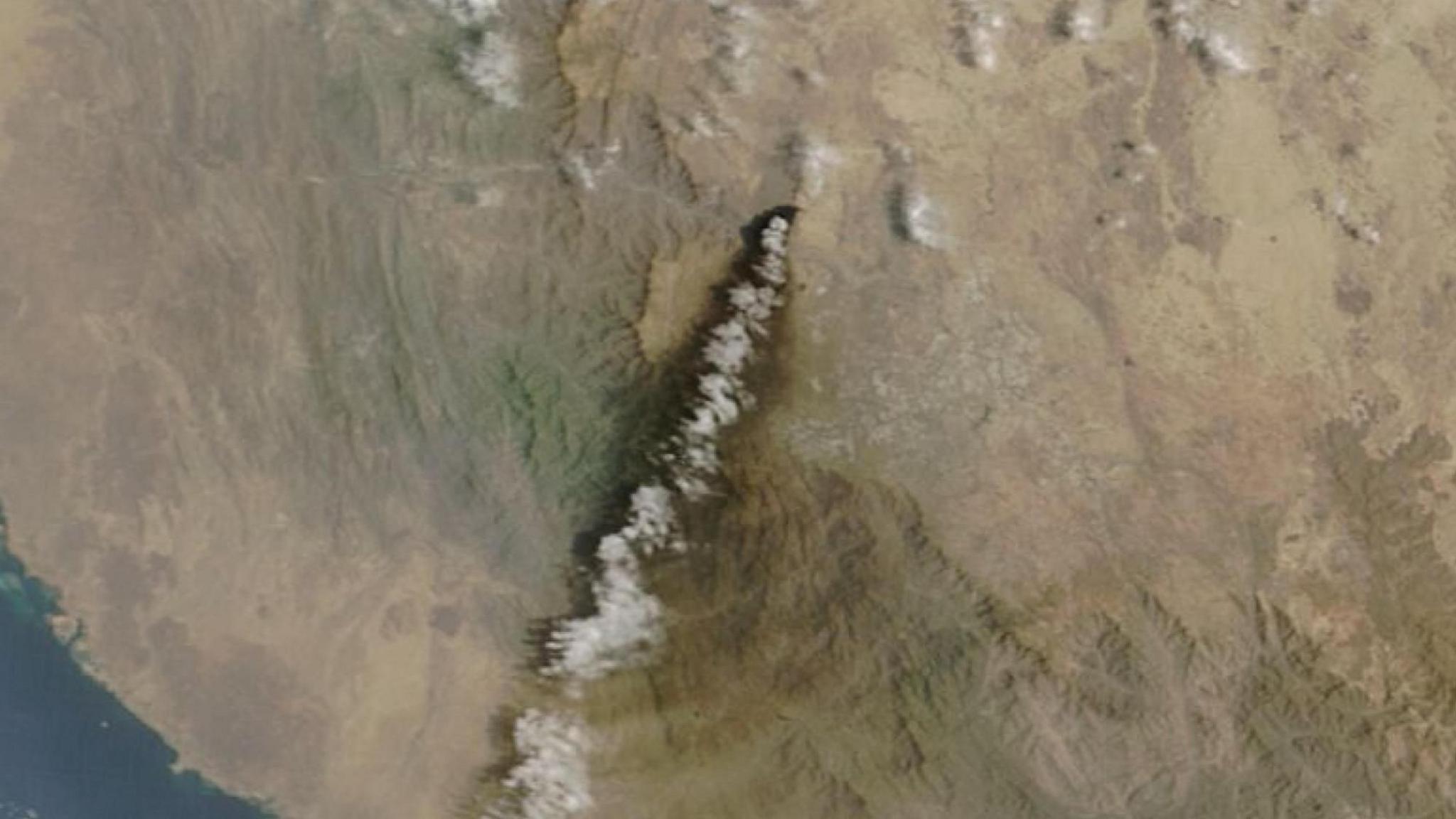
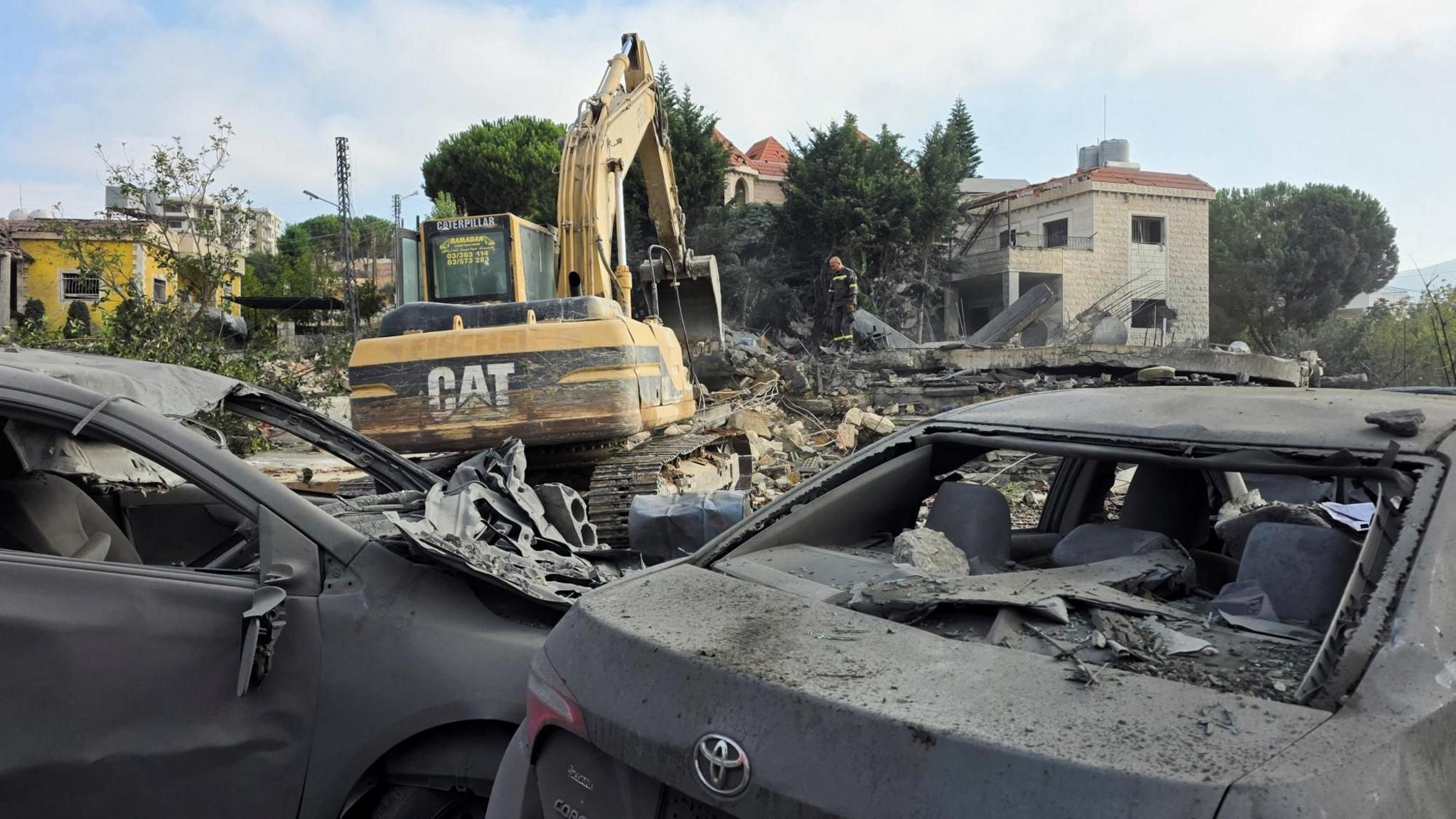
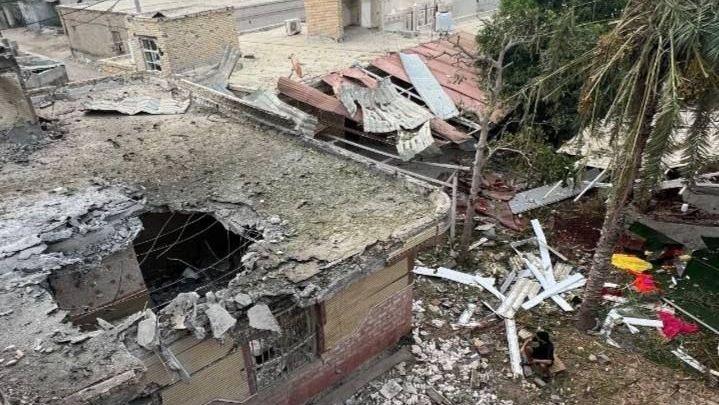
Satellite imagery, local accounts and social‑media footage show repeated civilian targeting in the area, underscoring a pattern of continued violence that threatens to exacerbate the existing environmental vulnerabilities across Sudan. The human cost of the conflict, with bodies lying amid shattered homes, highlights the urgent need for diplomatic solutions that can restore both peace and progress toward sustainable development goals.">