In brief
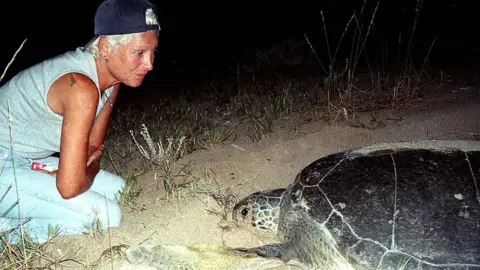
Mona Khalil, a 76‑year‑old environmental defender who turned Lebanon’s southern coast into a vital nesting ground for endangered sea turtles, died after her house was struck by an Israeli air raid. Her work began after she witnessed a green turtle laying eggs in 1999 and grew into a lifelong campaign against coastal development and pollution. Khalil had previously survived bomb damage during the 2006 war but chose to stay in her coastal home, refusing to flee despite repeated conflict. Her passing highlights the vulnerability of grassroots conservation efforts amid regional hostilities, while her legacy promises continued protection for future generations of Mediterranean turtles.
Mona Khalil, a 76‑year‑old environmental defender, died after her house on Mansouri beach near Tyre was hit during Israeli air strikes in southern Lebanon.
Her impact stretched beyond a single beach; she helped transform part of Lebanon’s southern coastline into one of the eastern Mediterranean’s most important nesting sites for endangered loggerhead and green sea turtles.
After watching a green turtle lay eggs on the sand in 1999, Khalil returned from exile in the Netherlands to devote her life to safeguarding the turtles and lobbying against destructive coastal practices. In 2000 she founded the Orange House Project, an eco‑tourism and conservation centre that evolved into a hub for environmental education, wildlife protection, and marine research.
Khalil’s dedication earned protected status for segments of the coast and raised awareness of the threats to Lebanon’s marine ecosystems. Friends remembered her unwavering commitment: “She barricaded herself inside her house, believing she was safe as a civilian,” said activist Maha Joumaa.
Despite repeated conflict—her home was damaged during the 2006 war—she refused to leave, embodying the resilience required to preserve fragile habitats amid violence.
Her legacy endures through the movement she built and the generations of turtles that continue to return to Lebanon’s shores. "That is perhaps her greatest legacy – she inspired people to care about them, not just turtles," said Terre Liban president Paul Abi Rached.
While the BBC has reached out to the Israeli military for a response, the loss of Khalil underscores a broader issue: the fragility of conservation work in conflict zones and the urgent need to protect environmental defenders worldwide.