Ethiopia’s Vote Landslide Sparks Climate‑Security Concerns
In the August 1, 2026 general election, Prime Minister Abiy Ahmed’s Prosperity Party captured an overwhelming 438 of the 501 contested seats, a result that leaves him poised to be sworn in for a second term in October. The win, however, does not come without a heavy price.
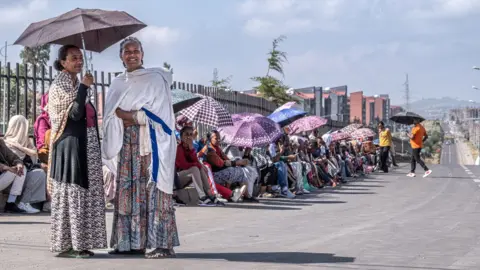
The poll was marred by tens of thousands of polling stations that remained closed in the two most populous regions because of armed groups, while the Tigray region—still raw from a two‑year civil war—was entirely excluded from voting. Senior opposition actors and security observers warn that this lack of participation only deepens Ethiopia’s regional security abyss.
Abiy stepped into power in 2018 amid protests, re‑branding himself as a unifier and later earning a Nobel Peace Prize for his role in ending hostilities with Eritrea. Yet his reign is now questioned by campaigns for greater autonomy in Oromia and Amhara, led respectively by Fano militias and the outlawed Oromo Liberation Army (OLA). These groups opposed the election and its results, rejecting the legitimacy of the new parliament.
The Tigray People's Liberation Front (TPLF) remains embroiled in a fragile peace agreement signed in November 2022. Both sides accuse each other of violating the pact, and evidence points to forced recruitment of young men in Tigray’s Mekelle and other towns. Analysts say that Abiy’s “moving away from the agreement” and “threatening moves” further exacerbate tensions, risking a wider conflict that could spill over into Sudan and potentially draw Eritrea into open war.
International bodies such as the EU and the US have already called for a de‑escalation in northern Ethiopia, imposing targeted visa restrictions on hard‑line TPLF members and urging quicker diplomatic engagement. Yet, the situation remains volatile, with the Ethiopian government denied allegations of blocking humanitarian relief in Tigray.
Beyond the political and violent unrest, thousands of pastoralists and farmers notice the stress on their land. Infrastructure projects, such as Ethiopia’s planned Red Sea port access, risk environmental impacts if conflict flares, potentially jeopardising biodiversity hotspots and climate‑buffer ecosystems that are vital for the continent’s resilience.

The delicate balance between political consolidation and regional stability determines whether Ethiopia’s ongoing environmental reforms—hydropower expansion, reforestation drives, and sustainable agriculture initiatives—will continue or falter. A resurgence of war would threaten the river basin ecosystems that support hundreds of millions who depend on clean water and fertile soils for livelihoods.
As the nation moves into the post‑election phase, the international climate community watches closely. A sustained peace under Abiy could allow crucial projects that counteract the effects of climate change to progress, while any new conflict could stall renewal efforts, driving the region toward destabilisation and ecological collapse.