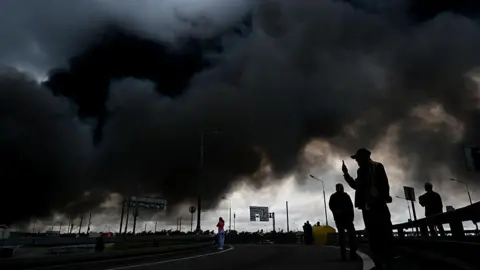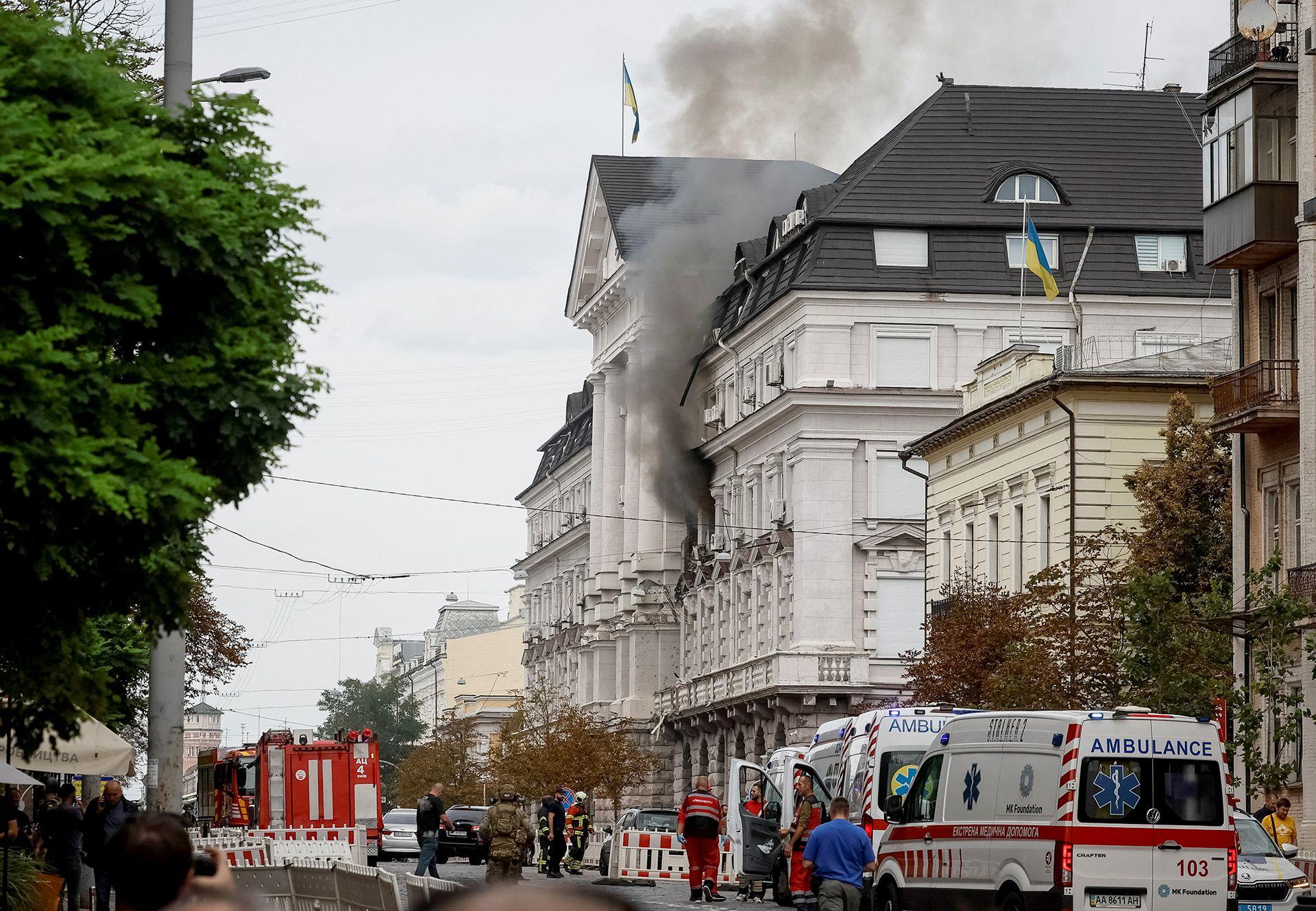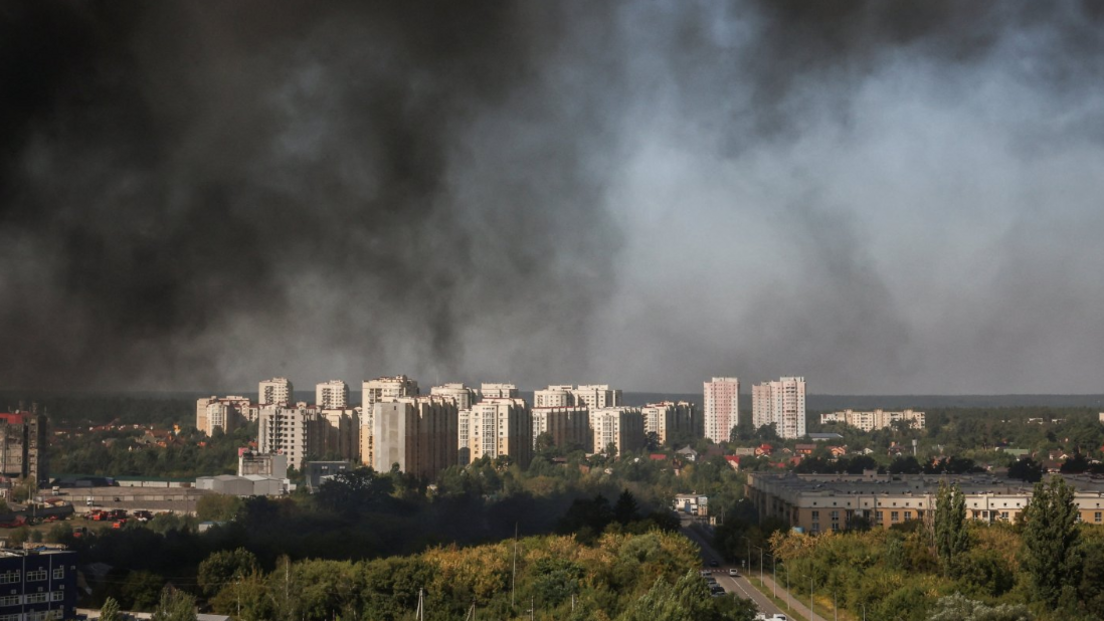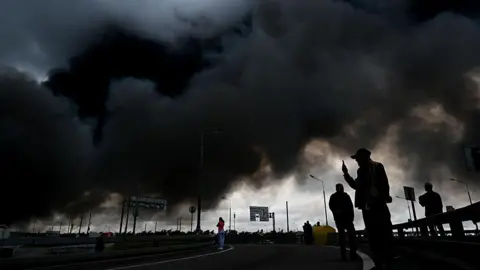
The firing of a Ukrainian drone at an oil refinery on the outskirts of Moscow on Thursday painted the capital in deep, acrid smoke. With black clouds gathering over the Moscow skyline, the attack jolted residents into a new reality where war and environmental hazard run hand‑in‑hand.
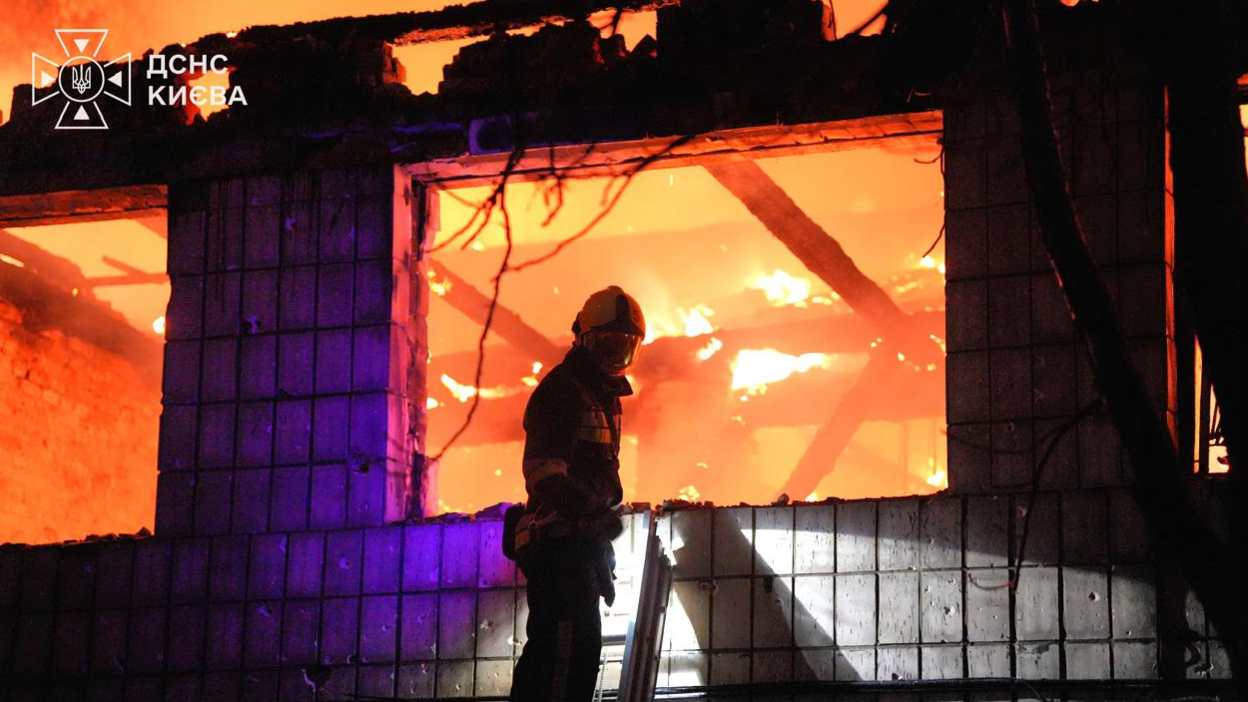
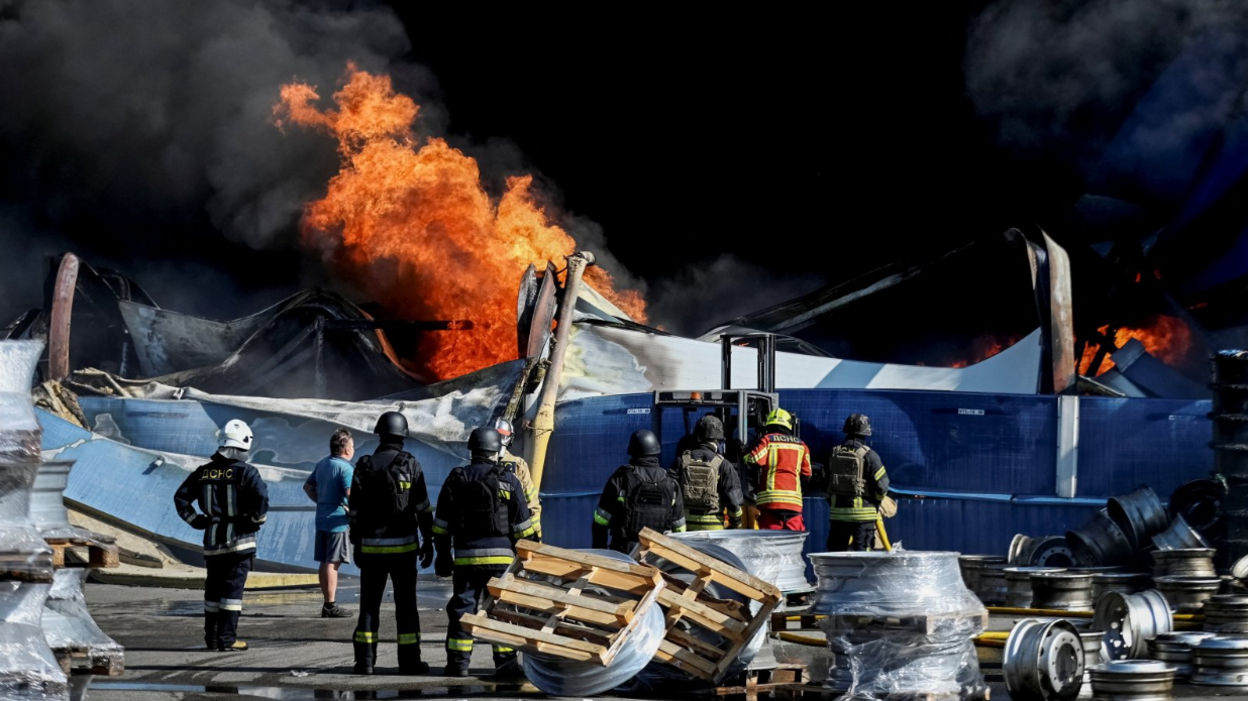
The blast ignited a large fire, forcing firefighting crews to battle black flames that threatened to engulf adjacent industrial and residential structures. The smoke didn’t just darken the air; it carried toxic particulate matter that risked long‑term health impacts for millions who were going about their everyday lives – fishing by a pond, playing on playgrounds, or shopping for groceries.
Beyond immediate danger, the refinery’s damage reverberated through Russia’s fuel supply chain. With a major oil processing hub crippled, the economy felt the strain: petrol shortages and sharper gas prices have already been reported in some regions. The attack is a stark reminder that the war’s reach, traditionally confined to front lines, now infiltrates nations’ core economic arteries and environmental systems.
Officials’ rhetoric softened the blow. Kremlin spokespeople suggested that the raid was merely a prelude to larger assaults, while state media framed the strike as justified because the target was linked to Ukraine’s military‑industrial complex. Yet, this framing runs counter to the growing environmental data that shows crippling damage to Russia’s own energy infrastructure is already tightening the country’s economic wheel.
For residents on the ground, the event felt less like an abstract strategy and more a daily reality. As one city dweller recalled, “I was fishing by a pond while black clouds drifted overhead. I didn’t know what to feel.” Another reported hearing explosions and seeing smoke from her apartment window, admitting it was “the kind of thing you normally see in the movies.” These visceral accounts are a proof of the war’s new normal – one that blurs the lines between military conflict and environmental terror.
Going forward, experts warn that repeated attacks on oil facilities could create a domino effect of air‑pollution, supply disruptions, and economic stress. Such pressure points threaten to make the city’s climate resilience an urgent, yet under‑addressed, crisis. By focusing on real‑time solutions – from emergency clean‑up protocols to financial safeguards for refineries – Moscow may navigate the perilous intersection of war and environment more safely.