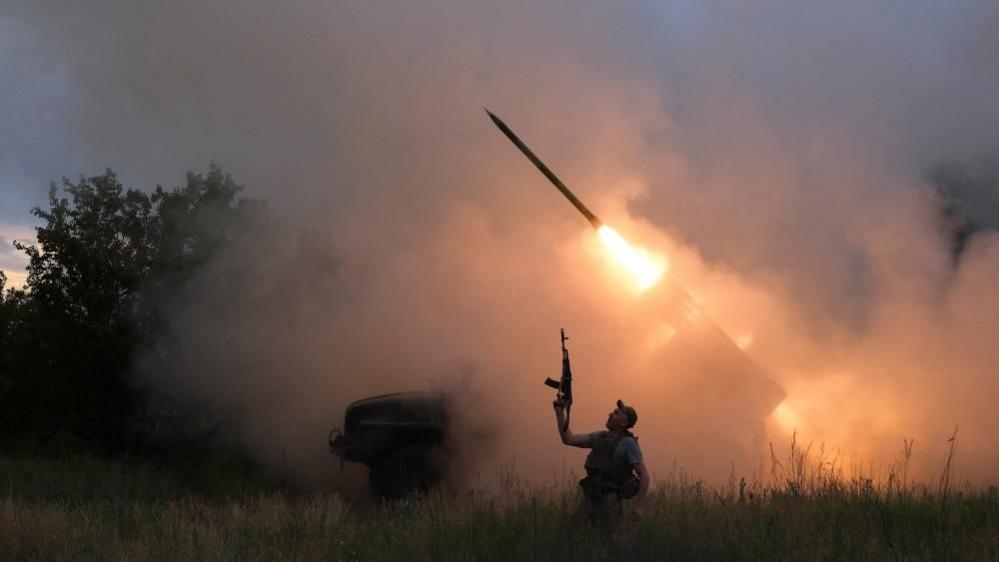
On (date), Moscow suffered its largest aerial assault since Russia launched a full‑scale invasion, with nearly two hundred Ukrainian drones crossing the 500‑km distance to strike industrial targets near the capital.
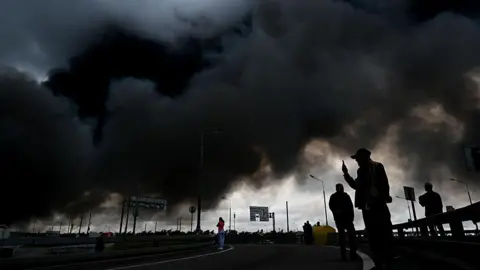
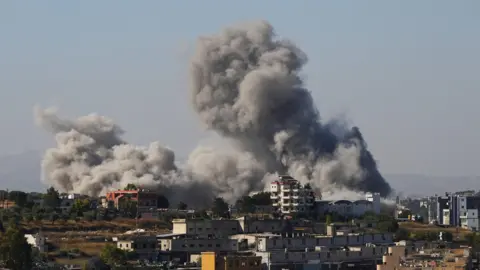
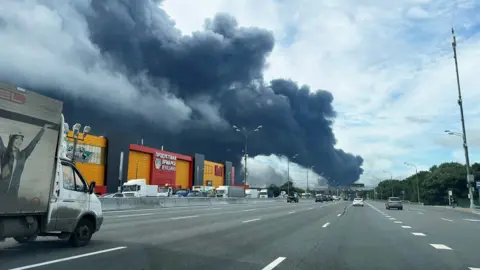
The raid hit the Kapotnya refinery, sending its storage tanks into the air and flooding the skyline with black smoke. Seventeen residents were injured, and firefighters tackled blaze incidents in an adjacent shopping centre after drone debris collapsed a storefront.
Russian air‑defence authorities claimed that 1,000 drones and four cruise‑missile strikes were intercepted over the week, while the Russian defence ministry logged 1,000 airborne threats across the country in the first 24 hours of the episode.
All four airports in the Moscow region briefly shut down, cutting more than 500 flights and causing widespread delays.
Social media posts have carried footage of the drones in clear daylight, which some observers note undermines Russia’s air‑defence narrative and showcases the expanding reach of Ukrainian long‑range weapons.
Ukraine’s president, Volodymyr Zelensky, framed the assault as a response to a recent Russian strike on a Kyiv religious landmark, asserting the goal of "bringing the war home" to the Russian people.
Beyond the immediate human toll, the destruction of an oil facility raises concerns about the release of volatile substances and the consequent air‑pollution surge, compounding already fragile environmental conditions amid climate‑vulnerable regions.
With warfare flowing away from front‑line battlefields, Russia‑Ukraine hostilities are increasingly channeled into energy infrastructure, making the Moscow standoff both a political and environmental flashpoint—one that underscores the broader climate stakes of modern conflicts.