A Brief Pause in Conflict, A Long‑Term Gain for Nature
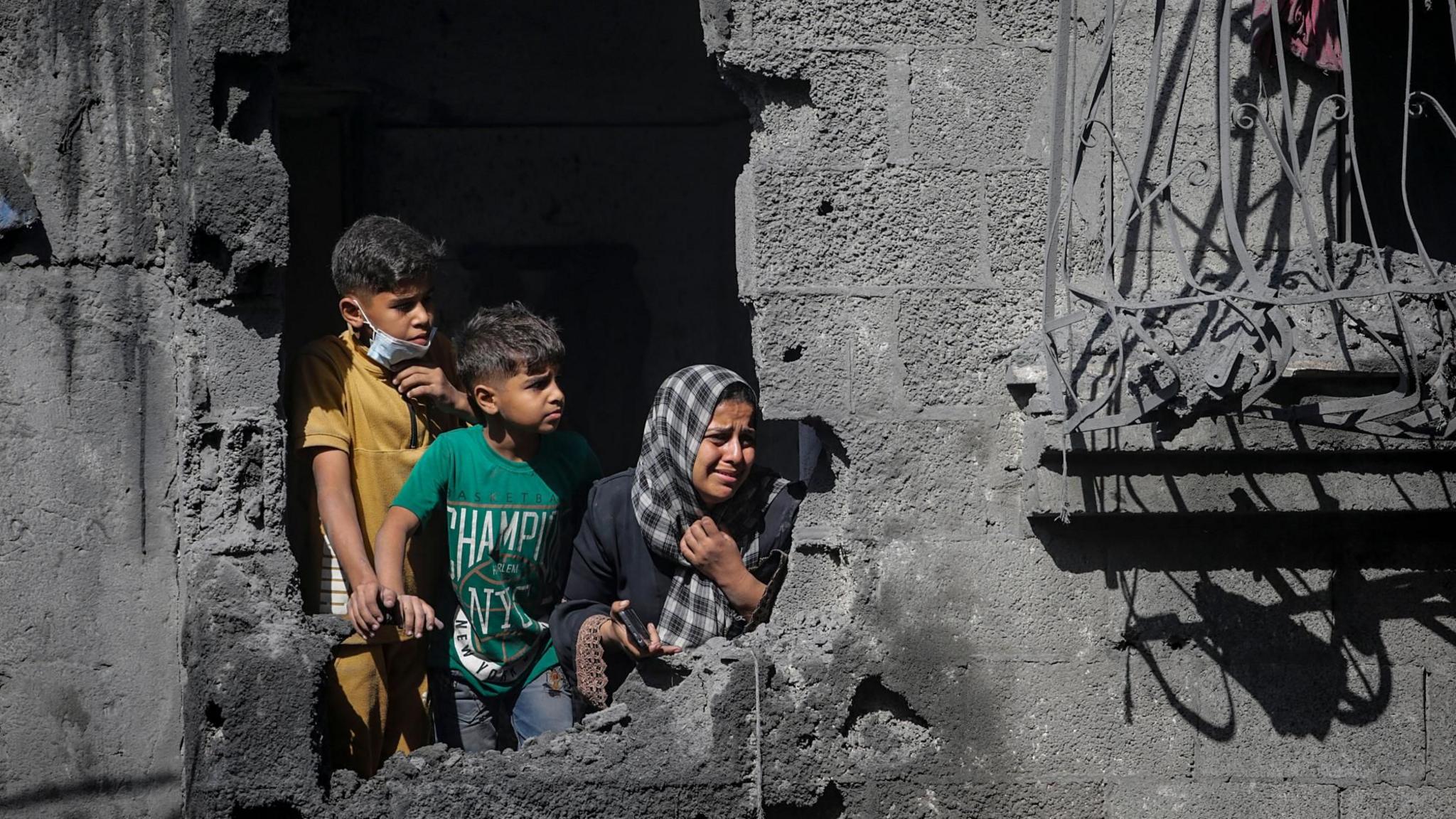
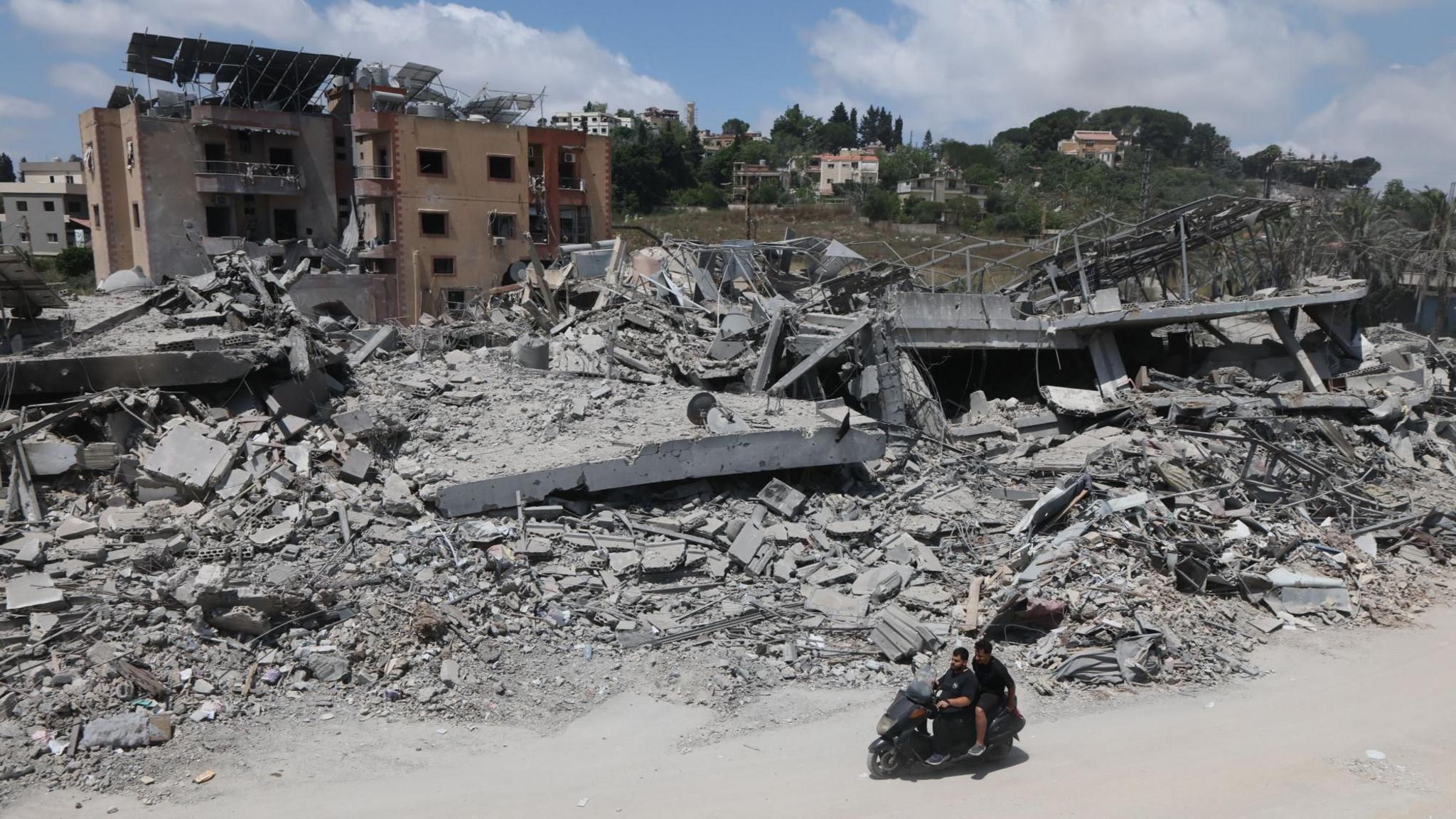
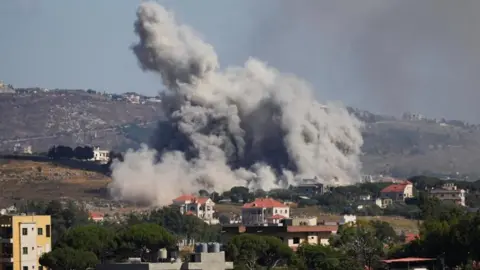
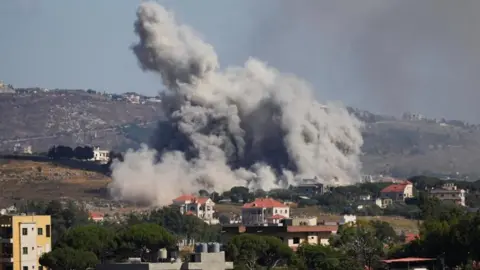
On June 19, a U.S. official confirmed that Israel and Hezbollah had reached a ceasefire after weeks of intense airstrikes that killed 47 civilians in Lebanon’s Nabatieh district. The truce, however, carries more than humanitarian relief—it marks a crucial halt to the environmental devastation brought by repeated bombardments.
The air raids have scorched vast stretches of coastal wetlands and pine forests, releasing dust, toxic gases and debris into the air and local water supplies. In addition, the destruction of infrastructure—roads, utilities and residential areas—has caused long‑term habitat fragmentation, jeopardizing plant and animal species that contributed to the region’s natural carbon sink.
Environmental scientists note that a ceasefire offers an overdue chance to assess damage, remove hazardous debris, and begin ecosystem restoration projects that can reduce carbon emissions. Lebanon’s Ministry of Environment has called for “green” reconstruction initiatives, such as reforestation of deforested hills and the rehabilitation of wetlands that serve as critical flood‑control buffers during extreme weather events.
Citizen‑science groups in Beirut have already signaled their readiness to monitor the restoration process, using satellite footage and on‑the‑ground sensors to track soil recovery and bird migration patterns. Their involvement highlights a growing trend of local communities taking stewardship of ecological resilience amid geopolitical uncertainties.
While the ceasefire’s immediate impact on the war with Iran remains uncertain, its environmental implications could ripple across Lebanon’s climate resilience agenda. A shift toward green infrastructure could enhance water security, reduce heat island effects in urban centers, and strengthen ecosystems against the exacerbated heat waves linked to global warming.
With the cessation of hostilities, Lebanese communities may finally redirect resources from militarization toward environmental sustainability. The coming weeks will test whether the political pause translates into a tangible ecological recovery.