The United Nations’ Human Rights Office has confirmed that Myanmar’s army caused the deaths of more than 700 civilians during the six‑month election period last year, a finding that underlines the scale of violence amid the country’s ongoing civil war.
Key Findings
The report, covering the period from August to January, lists a minimum of 702 victims, including 224 women and 153 children. It records that air strikes accounted for the majority of destruction and civilian casualties.
Sagaing province was highlighted as the most dangerous region for civilians. There, 191 people were killed, among them 60 women and 30 children, as the army pressed to secure control. A grave incident on 23 October involved an air strike that killed 23 people – four of whom were children – in a candlelit rally held in front of a school. In December, a military aircraft bombed a tea shop in Tabayin during a football match, killing at least 19 people and wounding 20.
Context of Conflict
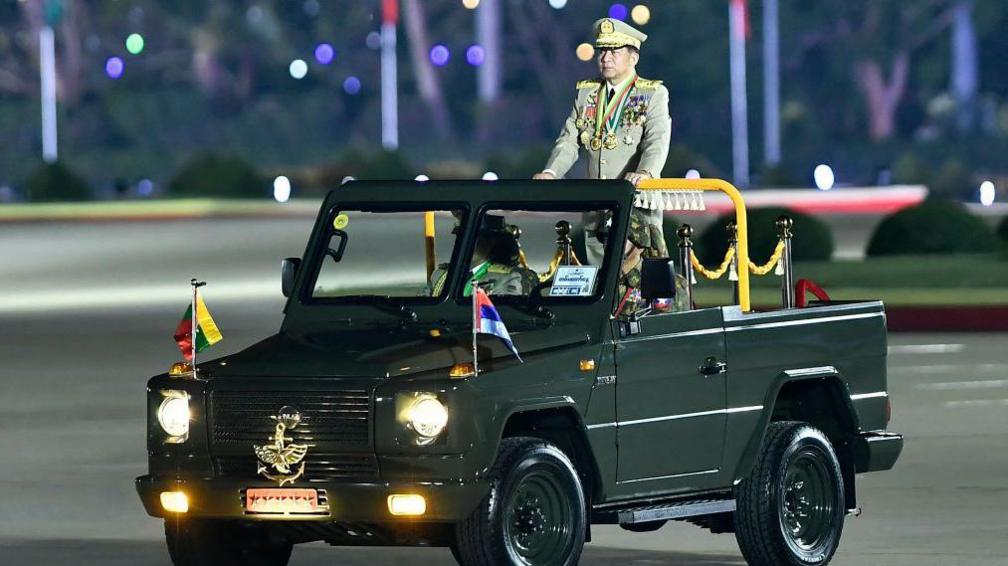
Myanmar’s military seized power in 2021 from the democratically elected government, imprisoning leader Aung San Suu Kyi. The election that followed was widely condemned as a sham, with major opposition parties barred from contesting and large swathes of the country excluded from participation owing to fighting. In April, the coup architect and current president, Min Aung Hlaing, cemented his control by taking office after the elections concluded.
The report emphasizes that the pullback in international assistance – driven by shifting global priorities and donor fatigue – only exacerbates the suffering of those trapped in the conflict. UN Human Rights Chief Volker Türk highlighted the critical role of localized protection programmes, noting that the lack of funding increases vulnerability to ongoing indiscriminate attacks.
Beyond the immediate killings, the report details systematic abuses faced by the Rohingya minority, including forced conscription, arrests, killings and sexual violence, underscoring the broader human rights crisis that plagues Myanmar.