MSF staff accused of sexual exploitation of Sudanese refugees in Chad
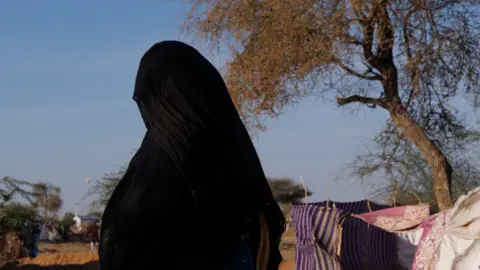
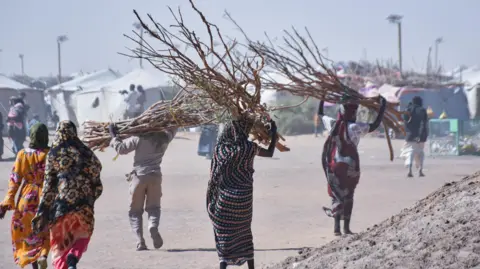
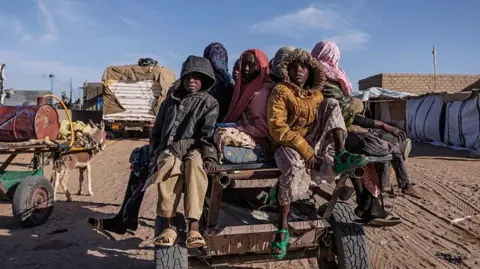
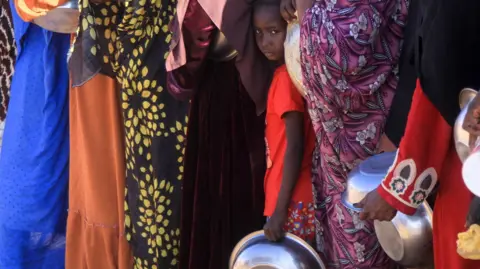
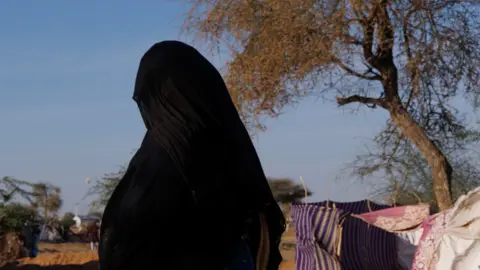
Doctors Without Borders (MSF) has dismissed 18 staff after reports that they sexually abused and trafficked at least 59 Sudanese refugees fleeing civil war to a camp in eastern Chad. The incidents, dated to 2024, appear to have involved offers of food, aid, or jobs in exchange for sex, with several victims including young girls.
The fallout from the investigation has highlighted systemic failures in MSF’s complaint mechanisms. Victims who came forward were often met with silence or no support, and many chose to remain silent out of fear that aid would be withdrawn. The organisation’s internal review now suggests that the abuse may have constituted sexual trafficking.
The situation has unfolded against the backdrop of Sudan’s violent civil war, which began three years ago and has prompted more than 11 million people to flee homes, with estimates of 28 million facing acute hunger. In this environment of displacement, exploitation by humanitarian workers is a grave violation of the trust that such organisations must uphold.
MSF has expressed deep regret, stating that the misconduct was a “serious breach of our values and responsibilities.” However, the scandal undermines faith in aid groups operating in conflict zones and amplifies calls for stronger oversight and accountability in humanitarian logistics.
The civil war’s humanitarian toll remains severe. Reports indicate that between 150,000 and 400,000 civilians have lost their lives, and mass sexual violence has been used as a weapon of war. The continuing conflict raises urgent questions about how aid agencies can protect vulnerable refugees while maintaining operational integrity.
Repercussions for MSF will likely include intensified scrutiny from donors, partner governments, and the international community, spearheading reforms that align aid practices with human rights standards. The incident serves as a stark reminder that environmental innovation and climate resilience must not only address physical sustainability but also institutional ethical safeguards.
Related to this story:
- A simple guide to what is happening in Sudan
- The devastating conflict where both sides have reasons to keep fighting
- ‘Our job is only killing’ – how Sudan’s brutal militia carried out a massacre
BBCAfrica.com for more news from the African continent.
@BBCAfrica, on Facebook at BBC Africa or on Instagram at bbcafrica