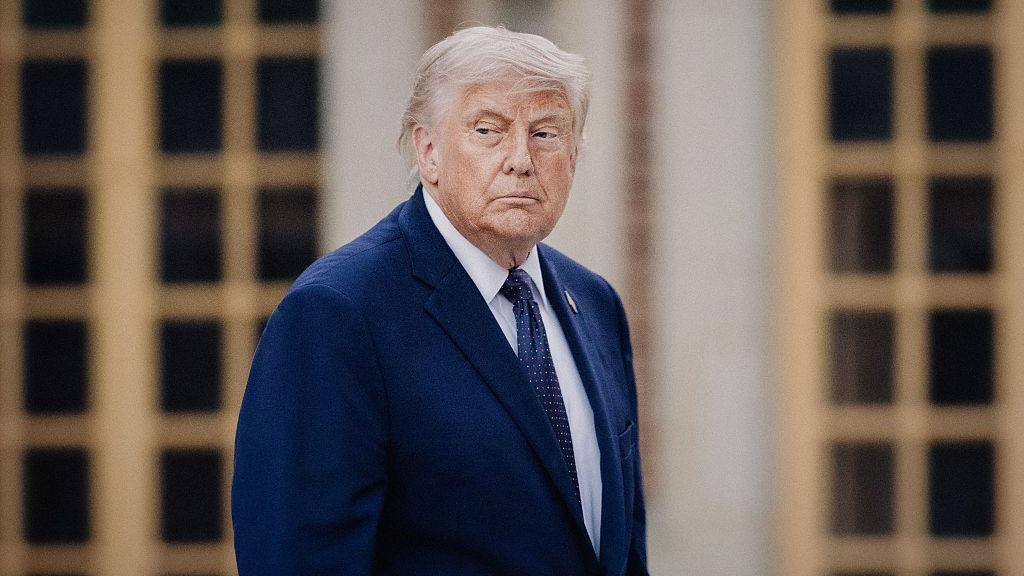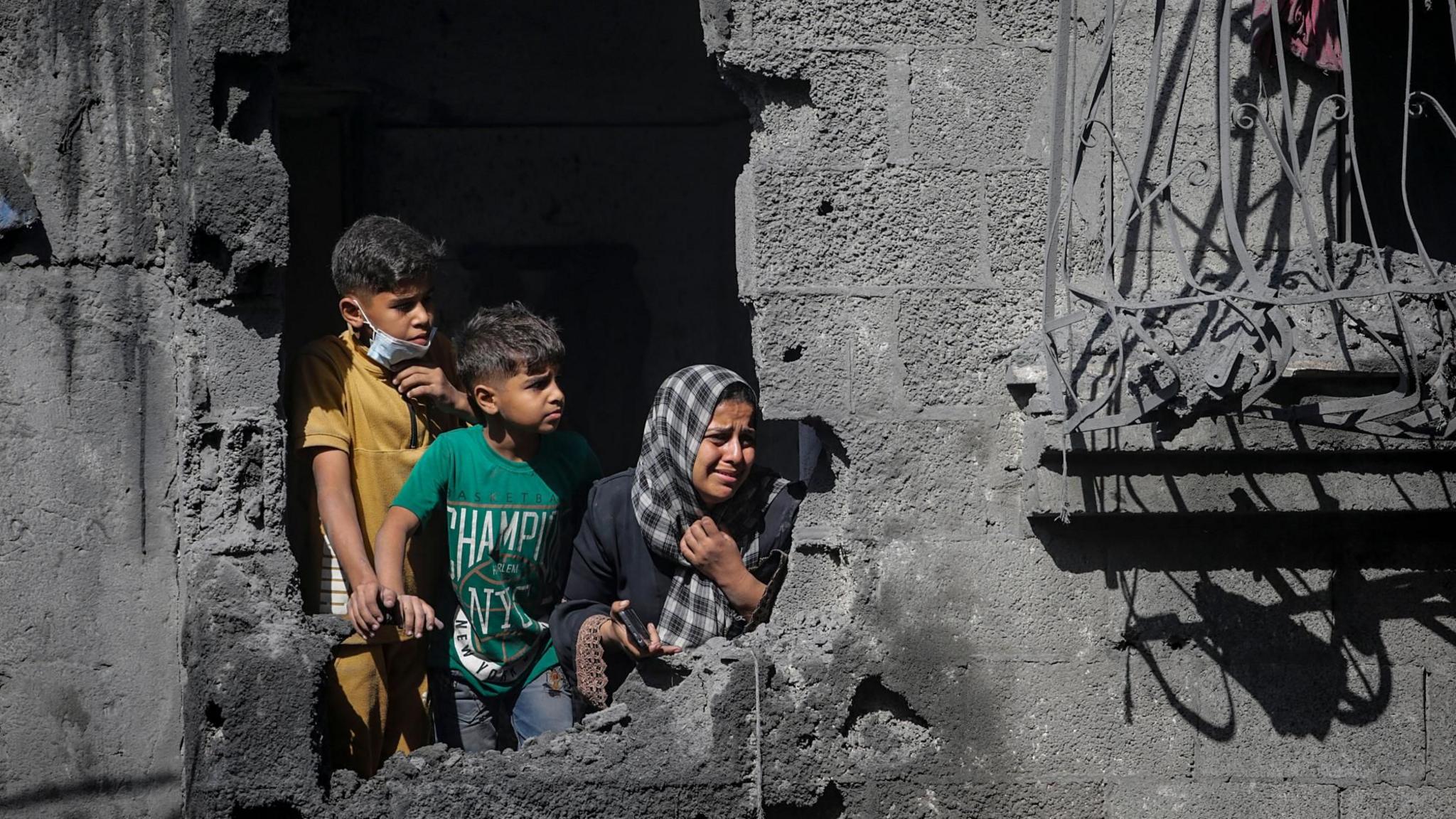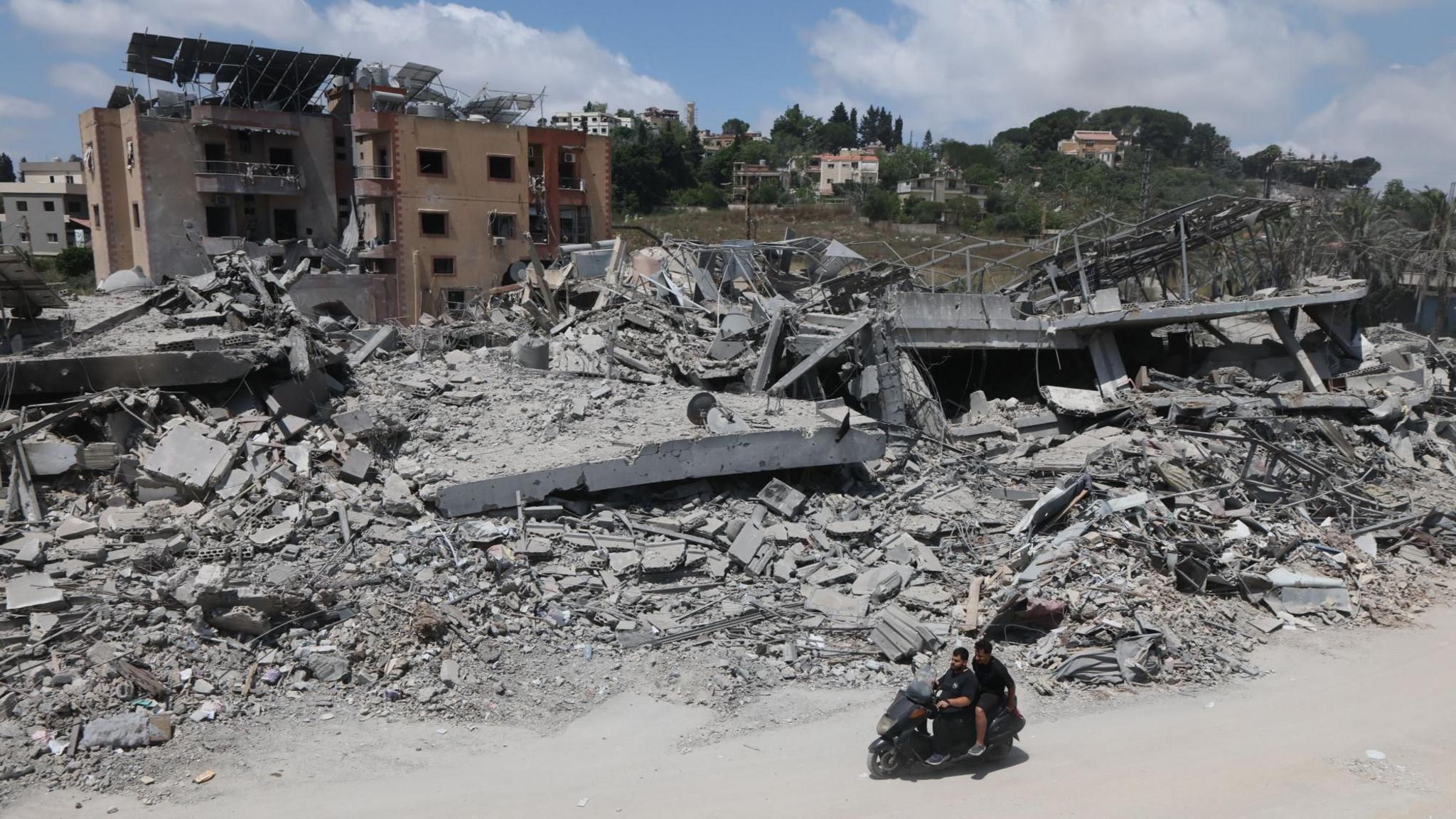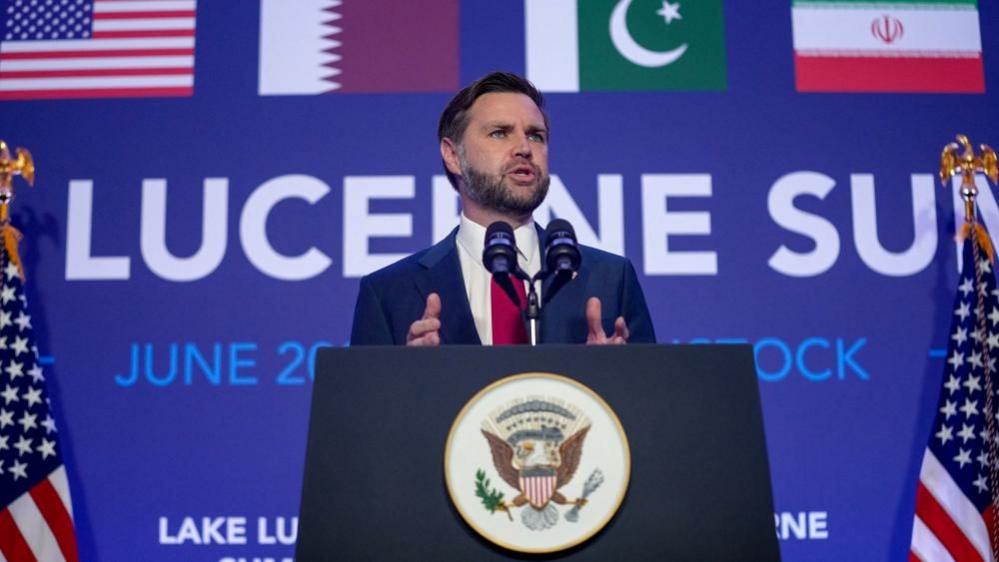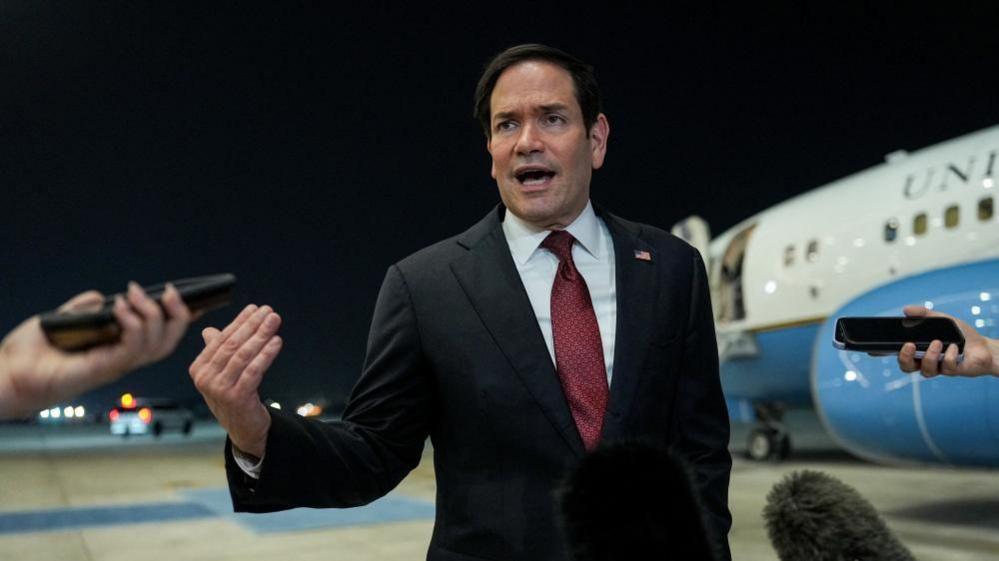
On 17 June, a Memorandum of Understanding (MoU) signed by former U.S. President Donald Trump and Iranian President Masoud Pezeshkian formally wound down a month‑long war that saw U.S. and Israeli air strikes on Iranian positions. The deal is as much a political statement about victory as it is a practical pause—its 60‑day framework for nuclear talks is a key lever that could shape the region’s energy future.
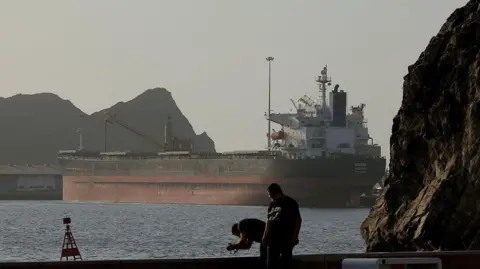
The MoU’s immediate guarantees include a halt to all military operations, the reopening of the Strait of Hormuz and the removal of the U.S. naval blockade that had pressed Iranian oil into a fragile supply chain. More than 96 % of the world’s crude oil transits the Hormuz corridor; before the ceasefire the port remained largely blockaded, sending ciphered prices soaring. With the corridor cleared, the market is expected to realign, potentially easing the high price pressure that has buoyed global warming through increased fossil‑fuel consumption.
While the deal tempers military emissions—combat operations, artillery and bombings produce both toxic gases and atmospheric aerosols—the major climate impact lies in the oil market. Lower prices provide consumers and oil‑rich economies with fewer incentives to shift to cleaner fuels and renewables. However, the pact also opens a window for economic development: the U.S. pledges a reconstruction fund of $300 billion that could be channeled into resilient, low‑carbon infrastructure like smart grids and electric transport.
The nuclear segment of the MoU is still in transit. Iran has agreed to re‑evaluate its highly enriched uranium stocks and a broader framework for its enrichment programme. Depending on the 60‑day outcome, this could either lead to a higher‑integrity, safeguards‑managed nuclear force that supplies steady low‑carbon electricity, or it could stall if further hardline domestic scrutiny demands concessions. The next few weeks will decide whether Iran can transform its nuclear capabilities into a climate‑friendly energy source without compromising security.
Politically, Iran’s leaders are navigating a fine line: they must convince an increasingly wary public that the ceasefire is a win, while showing the U.S. that the nation will not surrender its strategic depth. A failure to reach a final nuclear deal risks a return to hostilities, with both a spike in carbon emissions from intensified warfare and a renewed standoff that could disrupt global energy supply. Conversely, a successful negotiation would reinforce stability in a volatile region, potentially reducing the urgency of a fossil‑fuel‑dependent defence posture.
In the broader environmental context, the Iran‑U.S. ceasefire spotlights how geopolitical negotiations shape energy markets and climate strategy. By liberating one of the world’s busiest oil chokepoints and setting a stage for nuclear reform, the agreement offers a fleeting opportunity to pivot towards a low‑carbon trajectory—if the involved parties seize it, and if the reconstruction funds are directed toward green infrastructure instead of power‑increasing fossil‑fuel projects.