In brief
A near‑200‑drone swarm struck the Kapotnya oil refinery in Moscow’s southeast, sending incandescent soot and fine black oil droplets down to surrounding neighborhoods. The fallout, described by residents as a fine black drizzle, left clothes specked and sparked concerns about respiratory hazards and chemical exposure. Authorities warned people to keep windows closed and urged vulnerable populations to leave the area, while noting that widespread air‑defence systems failed to contain the attack. The incident highlights the environmental fallout of modern warfare, where industrial explosions elevate greenhouse‑gas emissions and degrade air quality, raising long‑term health and ecological questions. Keywords: oil refinery, drone attack, Moscow, air pollution, environmental health, Ukraine war, drone defence, greenhouse gases, industrial safety, climate crisis
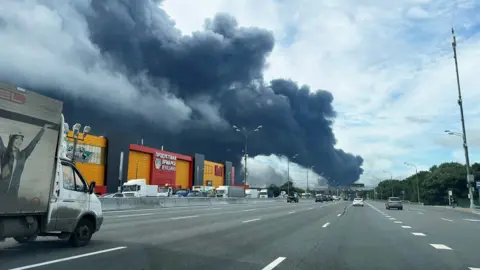
The capital’s eastern outskirts were battered by a swarm of almost two hundred Ukrainian drones, striking the Kapotnya oil refinery and sending plumes of black soot and fine oil droplets down to surrounding streets. Residents in the affected neighbourhoods reported a “fine drizzle” that left clothes with black specks and a lingering, smoky haze hanging over the city.
The Russian government’s officials refuted that it was “oil rain”, but the city’s official Telegram channel urged residents to keep windows shut and to evacuate vulnerable families and the elderly to protect against potential airborne contaminants and particulate matter.
Official reports say 17 people were wounded in the Moscow region, and the air‑defence system intercepted almost 1,000 drones and four cruise missiles, while a strike on an oil depot in the Rostov region killed one person. The attack marks the third time the refinery was hit within a month and the second time in the week, coinciding with Ukraine’s broader strategy of using reconnaissance drones to map Russian air defences before launching larger attacks.
As Moscow’s airport network temporarily shut down, over 500 flights were cancelled or delayed, underscoring the widespread disruption caused by the aerial assault. The incident has reignited questions about the effectiveness of air‑defence against high‑volume drone barrages and the environmental impact of such attacks on urban landscapes.
In a broader context, the war’s escalation has urged Ukrainian leaders to recall long‑range strikes across Russia, a tactic intended to “bring the war home”. Sergi Lavrov warned that Ukraine would “deliver strikes on a mass scale” if provoked. The strike on the refinery reflects both a tactical hit on critical infrastructure and an inadvertent environmental blow to the capital.
The incident turns an acute air‑pollution crisis into a public‑health emergency, demanding rapid assessment of respiratory risks, potential exposure to petroleum chemicals, and wider ecological repercussions. Environmental organisations are calling for transparent reporting of pollutant concentrations and long‑term monitoring of health outcomes for affected communities.
The Kremlin’s response to the drone barrage and the continuing missile campaign reflects a broader contest over Russian strategic deterrence, while the environmental fallout is an often‑overlooked dimension of the conflict. The ‘oil rain’ highlights how modern warfare amplifies ecological harm and threatens public health, stressing the need for integrated crisis management that fuses air‑defence, environmental monitoring and community health safeguards.