US Deportations to Africa Spark Legal, Human‑Rights and Climate Concerns
The United States has been sending more than 500 migrants to African countries that are not their citizens since President Trump’s return to office in 2025, Human Rights Watch (HRW) says in a report released ten days ago. This practice is alleged to contravene the principle of non‑refoulement, which protects people from being returned to places where they may face persecution or torture.
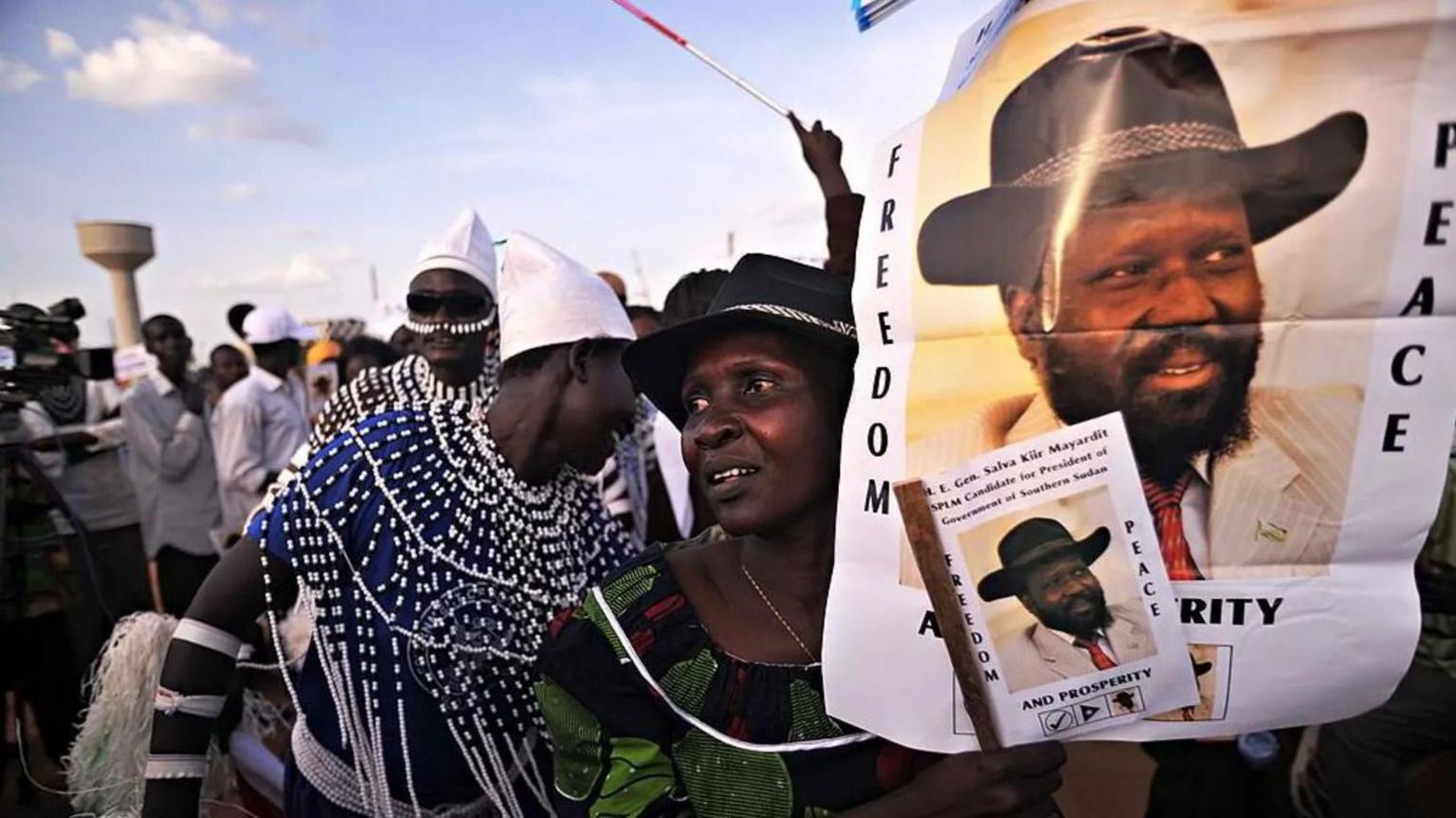
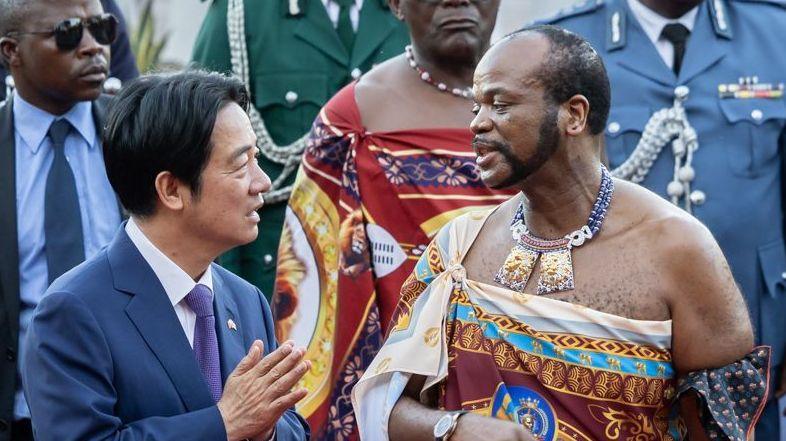
HRW’s investigation found that deportees to Eswatini, Ghana, South Sudan and other nations were often arbitrarily detained during transit flights—some chained for up to 18 hours and denied basic medication, food or water. Many were then forced to return to countries where they faced threats of violence, including LGBT individuals who had sought protection in the United States because of homophobic laws back home.
The U.S. Department of Homeland Security (DHS) defends the policy as a public‑safety tool that removes dangerous illegal aliens. Yet the continued movement of people across borders raises new environmental stakes: increased air‑travel emissions, pressure on host communities’ already stressed natural resources, and a precedent for neglecting climate‑vulnerable regions. In many of the destination countries, rapid population shifts pose risks to local ecosystems, reinforcing the need for humane and low‑carbon migration strategies.
Senate hearings have revealed that U.S. officials may use the prospect of “dumping migrants in the middle of nowhere” as a scare tactic. Chief US program director Michael Garcia Bochenek warned that the policy demonstrates a “US approach designed to cause human suffering as a means to deter migration.”
Neither the African nations cited in the report nor the European Union have provided comment on the allegations. Meanwhile, activists in the United States and abroad call for an immediate halt to the practice, demanding respect for international law and a shift toward sustainable, climate‑responsive migration policies.

For more insights on how migration policies intersect with climate change, follow our series at BBCAfrica.com and stay updated on @BBCAfrica and BBC Africa Facebook.