Accra crackdown on cash‑bouquets sparks debate on currency waste

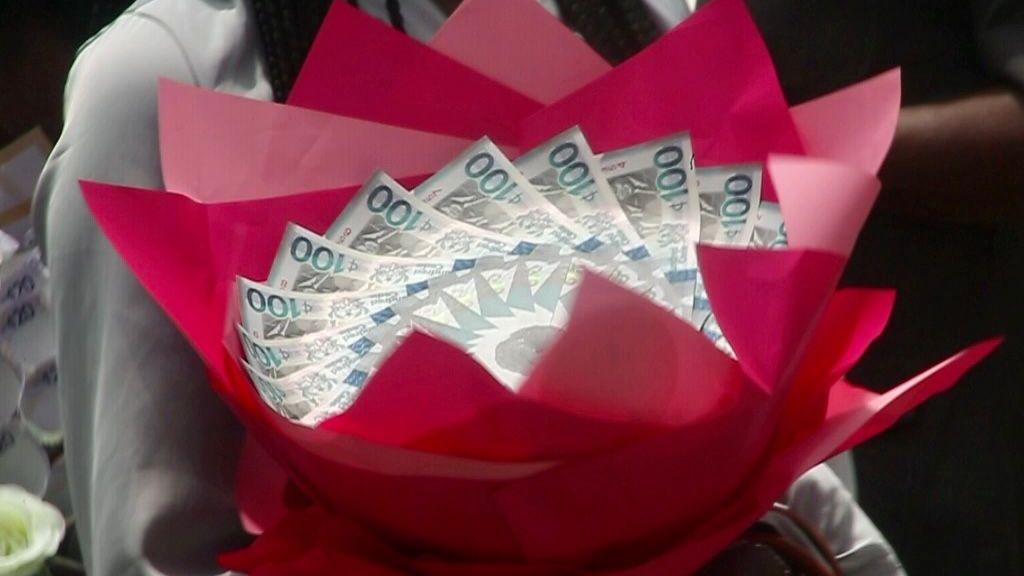
Seven women were detained in Accra after police found that they were selling “money bouquets” – arrangements of folded Ghanaian cedi used as cake toppers and wedding gifts. The Bank of Ghana says the practice amounts to misuse and improper handling of the national currency, and it can undermine public confidence in the cedi’s value.
Authorities say the arrest followed a tip‑off that led to a raid in several parts of the capital where the women had been marketing the bouquets. The crackdown is the largest enforcement operation to date against currency abuse in Ghana.
“The Ghana cedi is legal tender and must be treated with respect. Misuse is an offence that may carry fines or imprisonment,” said Dinah Bonzi, an official in the Bank of Ghana’s currency department.
While cash bouquets have become a festive trend in Ghana, the practice ultimately creates paper waste – thick stacks of banknotes that are discarded after a single use. In a world where every tonne of paper accounts for a significant water and carbon footprint, the movement raises questions about how physical money is used and reduced.
Central banks across the continent, including Kenya, Nigeria, South Africa and Botswana, have warned against similar practices. The Ghanaian case may serve as a cautionary tale for the wider region, reminding governments that the environmental impact of currency is an emerging policy issue as much as a financial one.