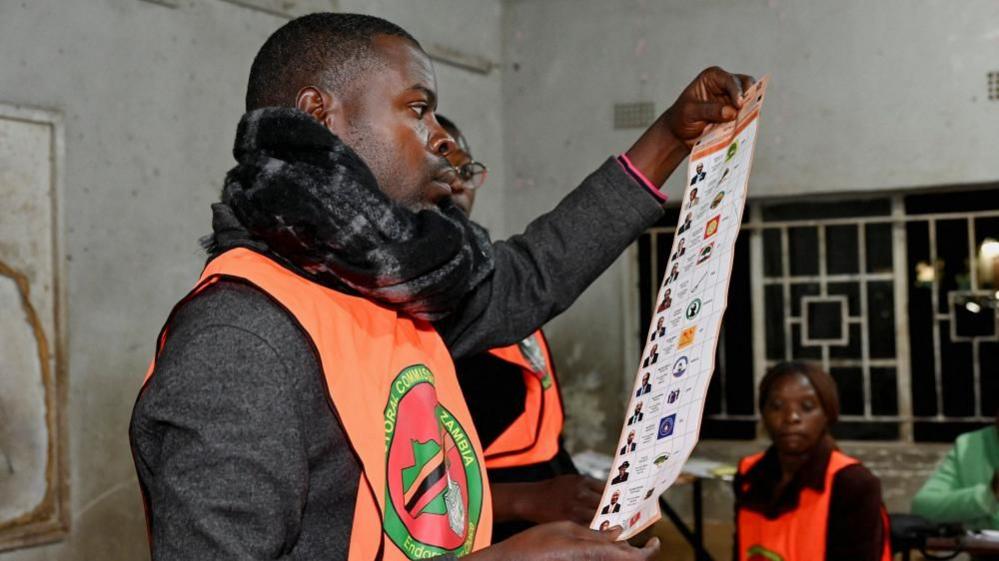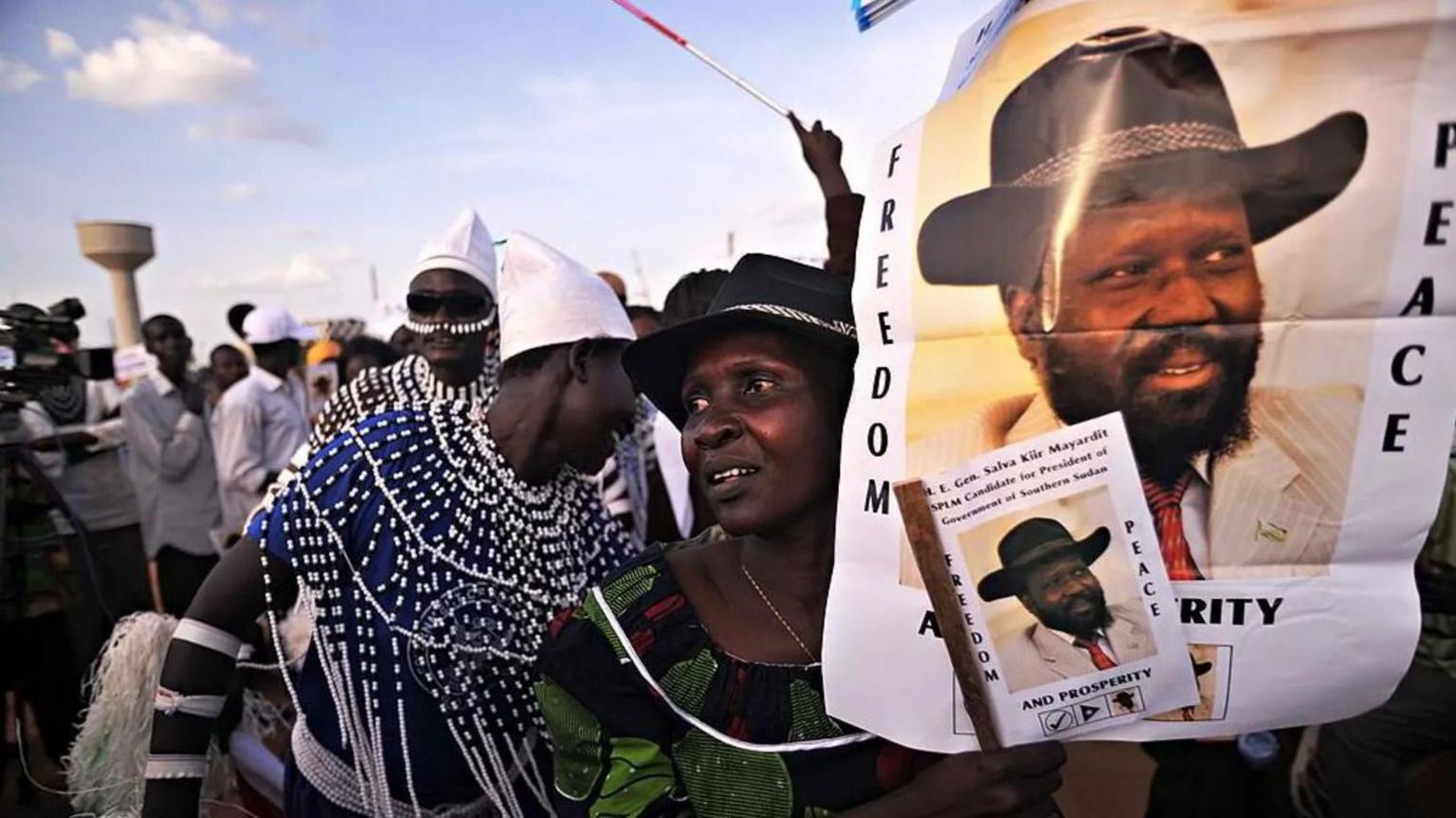
Salva Kiir, South Sudan’s president, has dissolved the nation’s transitional government, the five vice‑presidents, parliament and all national and state administrations, three months before the country’s historic election slated for 22 December 2026.
The move follows former elections being postponed twice and the transitional period being extended several times, leaving the political calendar in a state of uncertainty.
Under a newly amended law signed Monday, Kiir retained full constitutional powers until a duly elected president takes office. He has also re‑appointed a handful of ministers and governors on a caretaker basis until the December polls, ensuring continuity of governance.
The president’s decision comes as Riek Machar, his former opposition leader and erstwhile vice‑president, is still under house arrest on treason charges—an outcome of Machar’s dismissal in 2024 after the 2018 peace deal that ended a five‑year civil war.
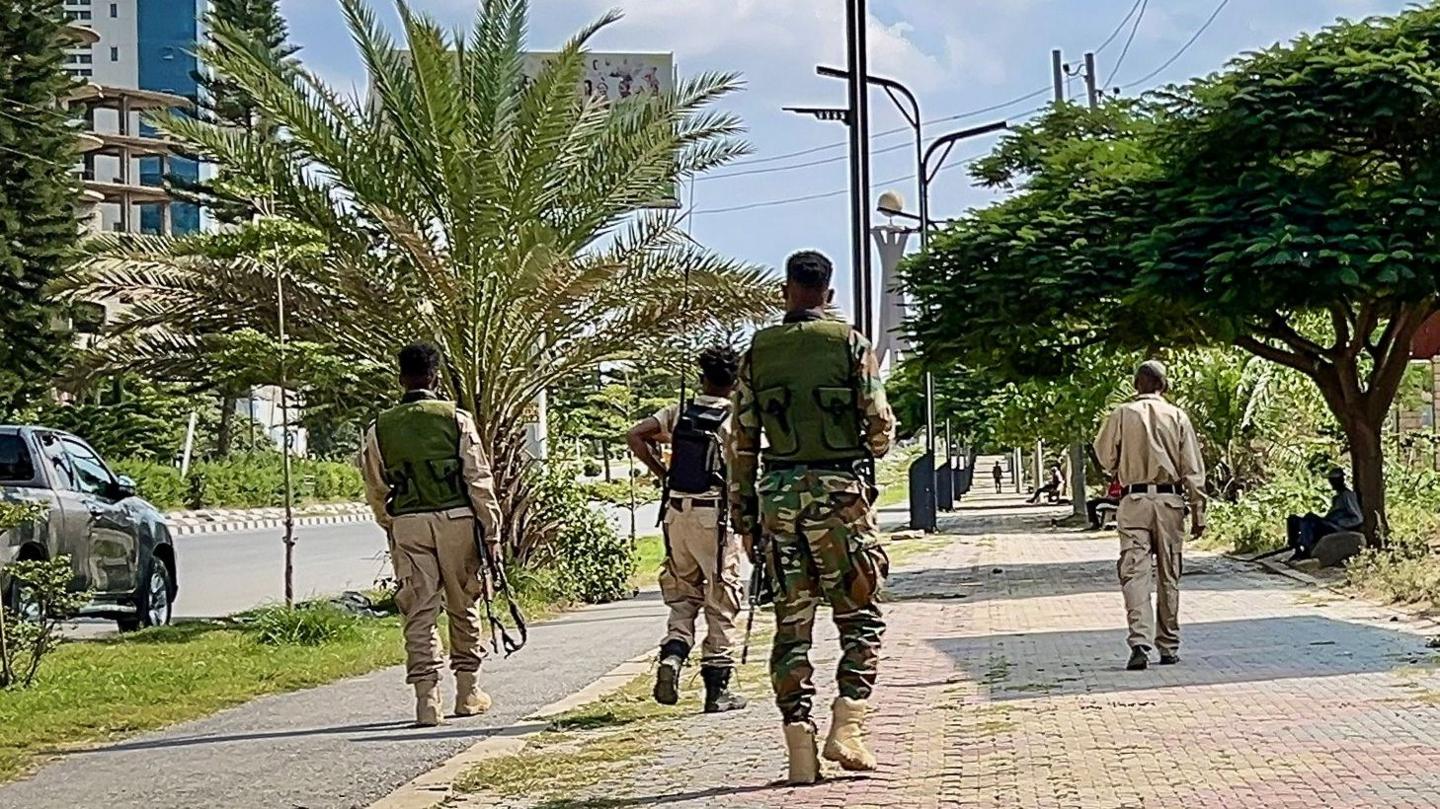
Ahead of the announcement, Juba recently saw an intensified security presence: soldiers from the army and national security services blocked access to government ministries and patrolled parts of the city, causing staff to be turned away and prompting UN agencies to work remotely.
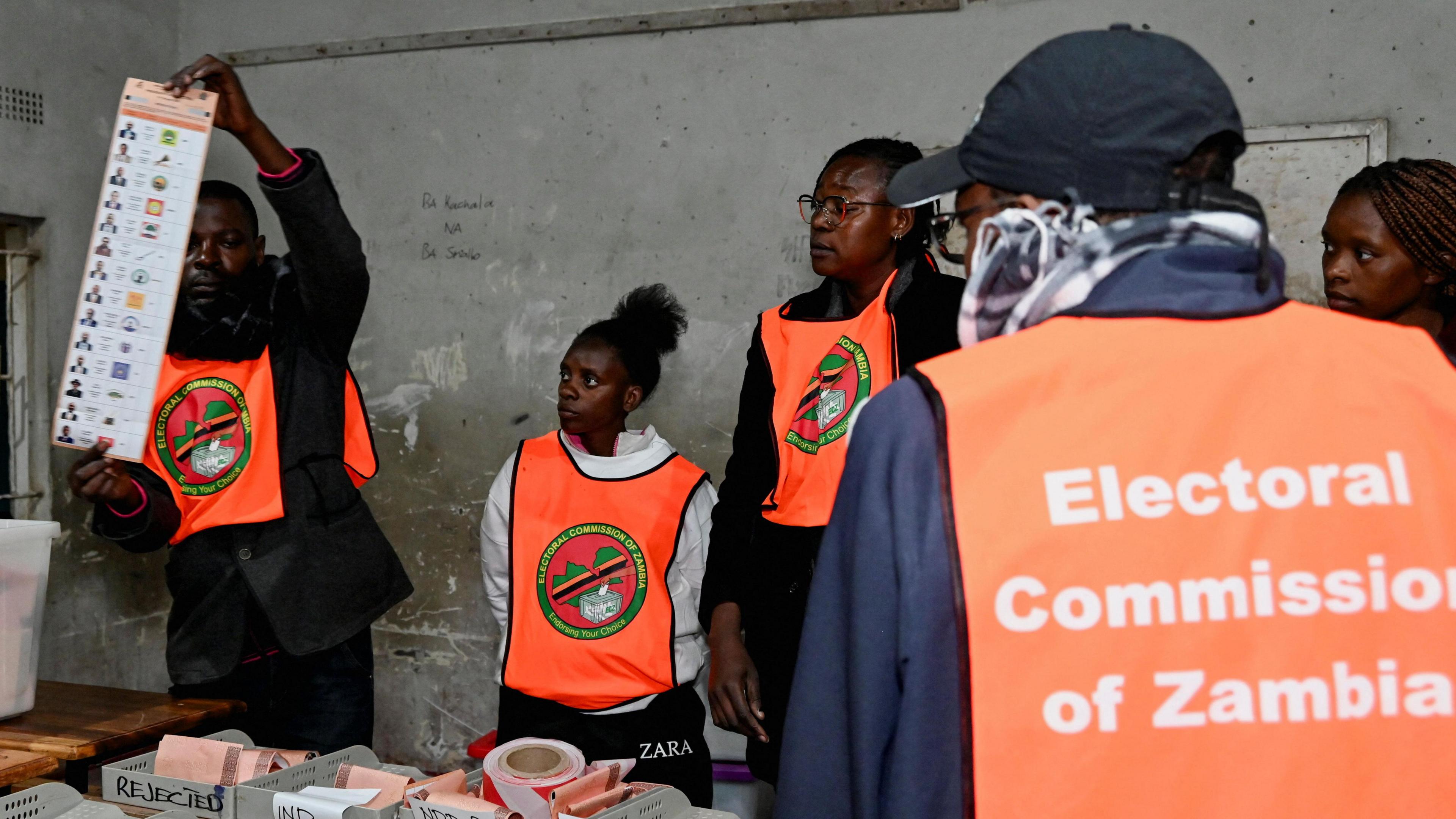
In addition to dissolving the government, Kiir dismissed Abednego Akok Kacuol, the National Elections Commission chairman, and replaced him with the commission’s secretary‑general, Gabriel Bol Deng—an action that follows Akok’s 2025 claim that the commission required £190 million but received only £21 million.
Opposition forces affiliated with Machar, specifically the Sudan People’s Liberation Movement in Opposition (SPLM‑IO), have warned citizens against participating in election preparations, citing potential risks under SPLM‑IO control. The Reconstituted Joint Monitoring and Evaluation Commission (RJMEC), overseeing the 2018 agreement, described South Sudan’s situation as “critical” and urged a peaceful conclusion to the ongoing transition.
The latest 24‑month extension of the transition period was scheduled to end on 22 February 2027, adding further urgency to the impending electoral process.