In brief
In late July 2026, Ghana’s national electricity grid faltered, plunging Accra, Kumasi and northern regions into darkness. The outage—triggered by a major fault across multiple power stations—stressed the ongoing reliance on degraded hydropower and uneven gas resources. While the country has begun to diversify its mix with gas, the incident underscores the fragility of electricity supply systems in a warming world. City commuters and businesses struggled without backup power, prompting grid operators to launch a technical probe. The event points to an urgent priority for investment in renewable infrastructure, enhanced grid resilience and climate‑adapted emergency management.
Ghana’s entire electricity network suffered a cascading failure on the early morning of Wednesday, prompting a nationwide blackout that skimmed across the capital Accra, the commercial hub Kumasi and large swaths of the north.
Government‑run GRIDCo confirmed that several power stations were forced to shut down as a fault triggered a chain reaction across the grid. “Our engineers and system operators are working continuously to restore power in the shortest time possible without compromising safety,” the company said in a statement.
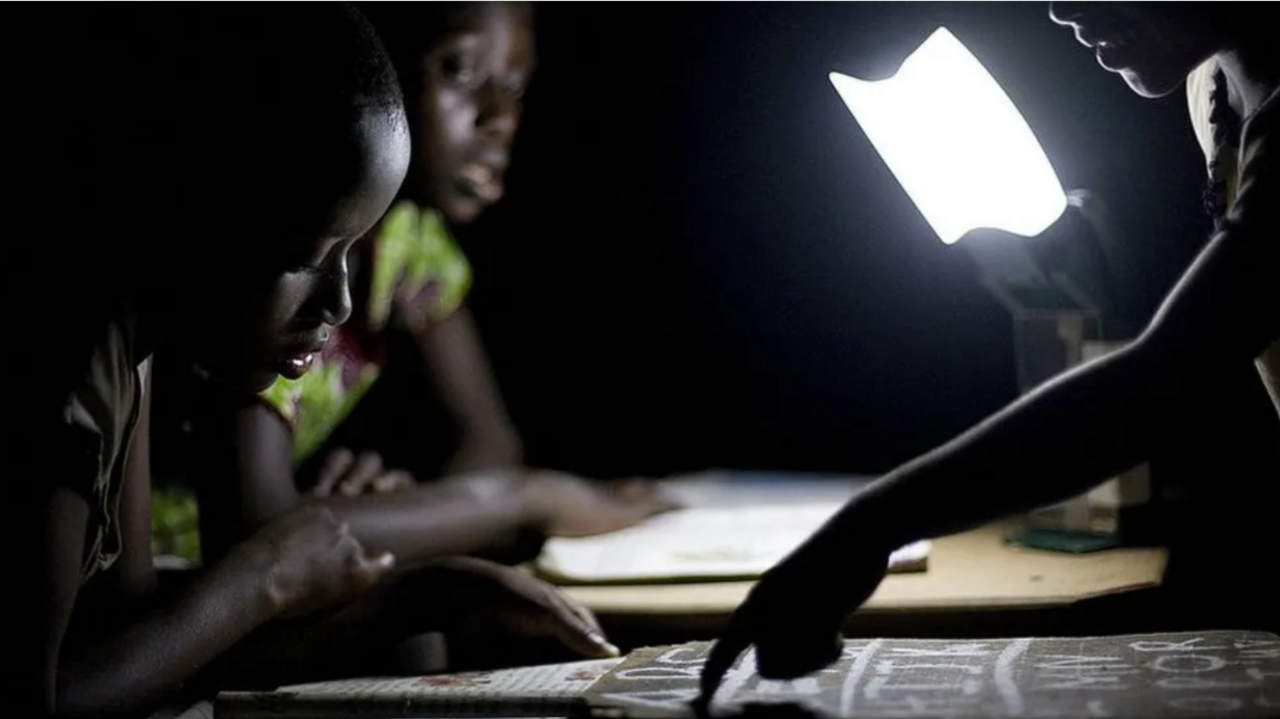
While the long‑standing “dumsor” pattern of on‑and‑off power has improved in recent years, blackouts still ripple through the country’s fragile infrastructure. Streetlights flicker, homes turn dark, and hospitals rely on generators – a scenario that puts patients and critical services at risk.
Accra’s commuters had their phones silent as they were unable to load e‑wallets for transport, drawing attention to the knock‑on economic damage of interrupted power. Small shops, cafés and digital‑service hubs also felt the impact.
GRIDCo has started a thorough technical investigation, yet it cannot yet predict how long normal supply will resume. The incident marks a clear wake‑up call for grid operators and policy makers.
Ghana has made strides toward a more diversified power mix, with natural gas injections easing frequent power cuts. However, the country’s hydropower plants – the majority of its generation sources – suffer from poor maintenance and are increasingly vulnerable to climate‑driven droughts.
Experts say that to safeguard against future blackouts, Ghana should accelerate investment in renewable energy (solar, wind, biogas) and upgrade the transmission network to embed resilience against both climatic stressors and fuel supply disruptions.
The blackout underscores a broader reality: as the planet warms, power systems that rely on aging, single‑source infrastructure will become more susceptible to failure. Building a climate‑ready power grid is no longer optional – it is essential for sustaining Ghana’s economic growth and public health.