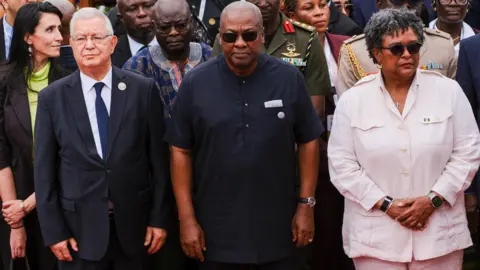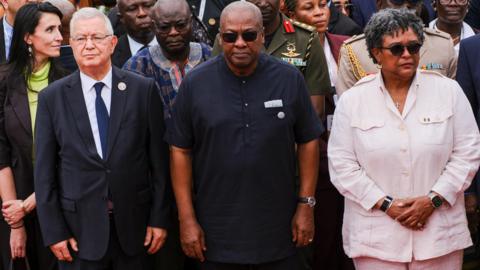
The tide has turned. In 2026, the United Nations passed a historic resolution recognising slavery as “the greatest crime against humanity.” While the US cast its vote and every European nation abstained, Ghana took the lead by tableing the motion and hosting a summit of 80 countries in Accra that called for formal apologies, debt cancellation and financial compensation for the trans‑Atlantic slave trade.
“Ghana was the crime scene,” Foreign Minister Samuel Okuzeto Ablakwa declares, reminding the world that 10–15 % of the 12 million Africans removed across the Atlantic came from what is now Ghana. The country’s new role as the African Union’s “champion for reparatory justice” is not a symbolic post – it carries a concrete agenda: reparative grants for education, venture capital for young entrepreneurs, and research into long‑term health impacts of slavery.
The summit’s outcomes included debt relief for Ghana and calls for the Church of England to honour its £100‑million social impact fund with real payouts to former slave‑captives’ descendants. However, the church’s so‑called fund has faced criticism, and the faith’s own historical involvement in the trade remains a point of contention.
King Tackie Teiko Tsuru II, the Ga Mantse, became the first traditional African leader to publicly apologise for his ancestors’ role in the trade. He argues that true reparations must include both financial restitution and acknowledgment of moral responsibility by all parties, including former colonisers and current African leaders.
Yet, the narrative is not purely political. Ghana’s diaspora outreach—promoting visits to Cape Coast Castle, Jamestown and other historic sites—has sparked debate. Some see it as an opportunity for healing, while others warn that tourism has been monetised, with visitors paying the same fees as European tourists and local communities being priced out of their own heritage. Asare, a former diaspora office consultant now at Howard University, describes the effort as “beautiful, profound experience devoid of capitalist motives” that has since fallen into “tourism quotas.”
Through these steps, Ghana is not only demanding reparations but also setting a precedent for how healing can be pursued. It challenges the West to move beyond symbolic apologies and face the human cost of slavery—promising that the path forward lies in genuine, human‑centred reparative justice.