US Targets ICC Leaders Amid Push to Dismantle International Court
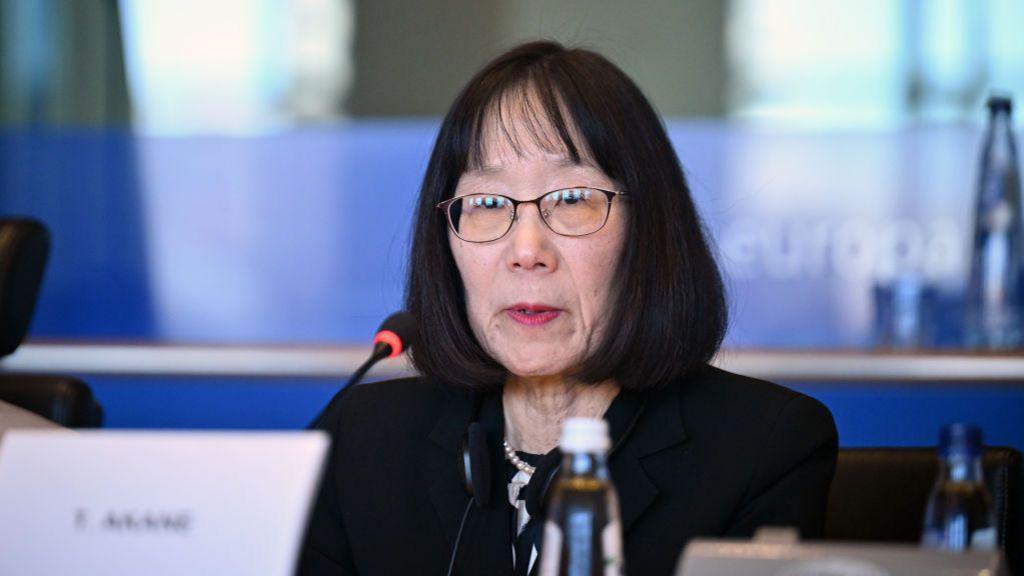
President Marco Rubio, the U.S. State Department’s chief diplomat in Washington, announced that both the head of the International Criminal Court (ICC)—Tomoko Akane—and its senior case‑worker, Abdoulaye Seye, will be subject to newly imposed sanctions. The moves follow years of Executive‑branch criticism of the court’s independence and reach.
The sanctions are part of a broader U.S. strategy to “dismantle” the ICC, a permanent institution empowered by more than 120 nations to probe genocide, crimes against humanity and war crimes. The policy, rooted in a Trump‑era campaign that already slapped sanctions on 11 judges and the chief prosecutor, is now codified under the International Emergency Economic Powers Act (IEEPA) in what critics label an attempt to blunt international law.
The U.S. has said the ICC’s investigations into U.S. personnel in Afghanistan and into Israel’s policies in Gaza have threatened American sovereignty. It has called on ICC member states to withdraw from the court “brick by brick.” The Trump administration’s approach is now perceived as a direct challenge to global accountability mechanisms, particularly those addressing climate‑led atrocities such as resource‑driven conflicts and environmental displacement.
Washington’s decision to freeze assets can bewilder debtors, impose travel bans and restrict U.S. service or business relationships with the sanctioned individuals. Since the sanctions target only ICC officials, the damage may spread across the institution’s operations in The Hague and for any entities that process international financial transactions in dollars.
Global civil‑rights organizations and climate justice advocates nonetheless accuse the U.S. of obstructing the investigation of environmental crimes that aggravate local communities and fuse with geopolitical conflict. Human Rights Watch and the Open Society Institute have sued the administration, claiming the sanctions suppress the court’s efforts to pursue war crimes and potentially climate‑related crimes that threaten displaced populations.
Legal and diplomatic fallout
In June, three ICC judges sued the U.S. in New York, arguing that the sanctions constitute an unlawful, extrajudicial pressure tactic. They contend that the measures aim to punish rather than protect state sovereignty. A White House spokesperson has defended the sanctions as lawful under IEEPA.
The sanctions, if upheld, could set a new legal precedent that could hamper the ICC’s lineage of cross‑border collaboration. The court, best known for its protracted investigations into conflict‑zone atrocities, will face the uphill task of maintaining a neutral ground for environmental justice.
In the face of these restrictions, climate activists point to the need for stronger international safeguards that secure resources for environmental justice and protect on‑ground work from political interference. The United Nations and various environmental NGOs call for a review of sanctions policies and a restoration of the ICC’s capacity to investigate crimes that create ecological and human suffering.