The Incident
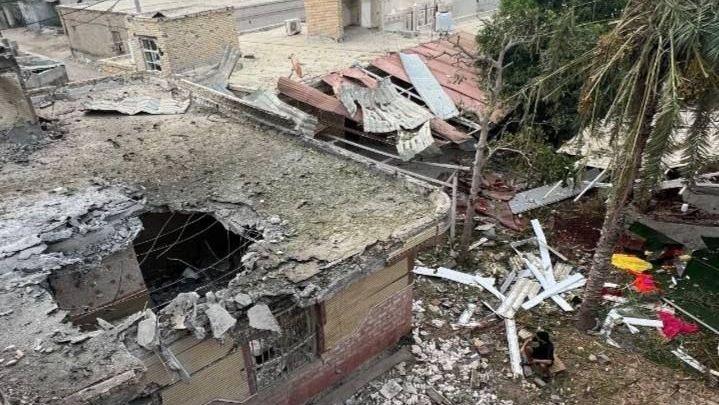
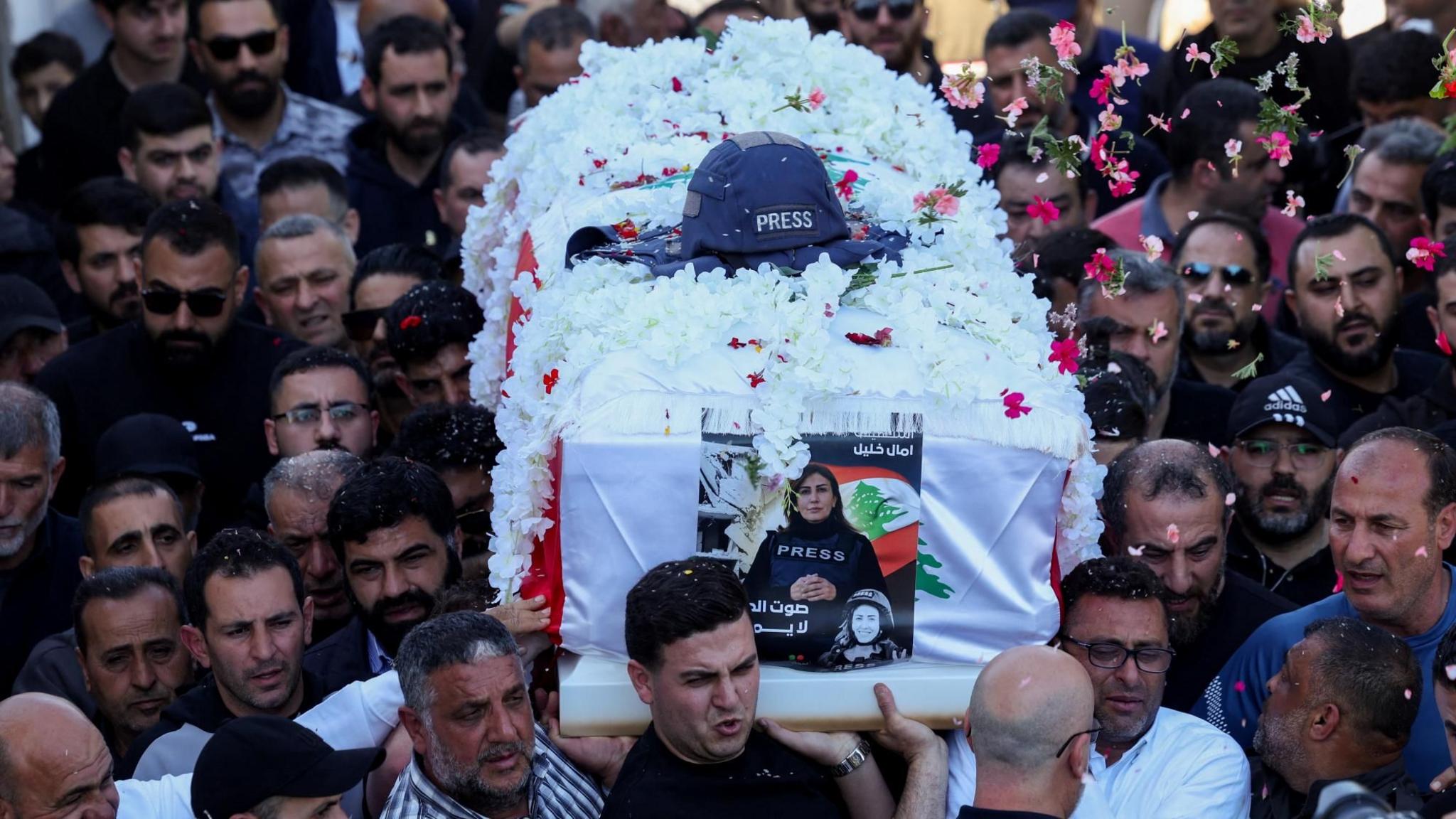
On 22 April, a series of Israeli air strikes hit the Lebanese town of al‑Tiri. The first hit a car driving in front of Amal Khalil and Zeinab Faraj, killing two men. The journalists were forced into neighboring buildings as a second strike damaged their car, and a third strike destroyed the refuge building, killing K. Khalil and leaving Faraj severely wounded.
Human‑Rights Response
Human‑Rights Watch (HRW) and Amnesty International released joint reports citing photo‑video evidence, first‑hand testimony and official records that the strike targeted civilians who were actively reporting. Both organizations demanded an independent investigation and urged Lebanon to accept International Criminal Court jurisdiction, framing the incident as an apparent war crime.
Israeli Defence Statement
The Israeli military rejected allegations of targeting journalists, asserting that all three strikes were aimed at alleged Hezbollah operatives. The Ministry said it had “regretted any harm caused to journalists” and that the incident was under internal review, but it did not clarify the purpose of the second and third strikes.
Legal and Humanitarian Perspectives
International law forbids deliberate attacks on civilians. HRW and Amnesty argue the evidence indicates Israeli forces “knew or should have known” that the women were non‑combatants. The critique is that such attacks undermine the safety of journalists who provide vital coverage in conflict zones.
Impact on the Journalistic Community
The Committee to Protect Journalists reports that 27 journalists have been killed this year globally, with nine fatalities in Lebanon alone. The death of K. Khalil underscores the heightened risks for reporters in war‑torn regions and the urgent need for robust protective protocols.