Cameroon’s Long‑Serving President Repositions Army Amid Rising Global Climate Concerns
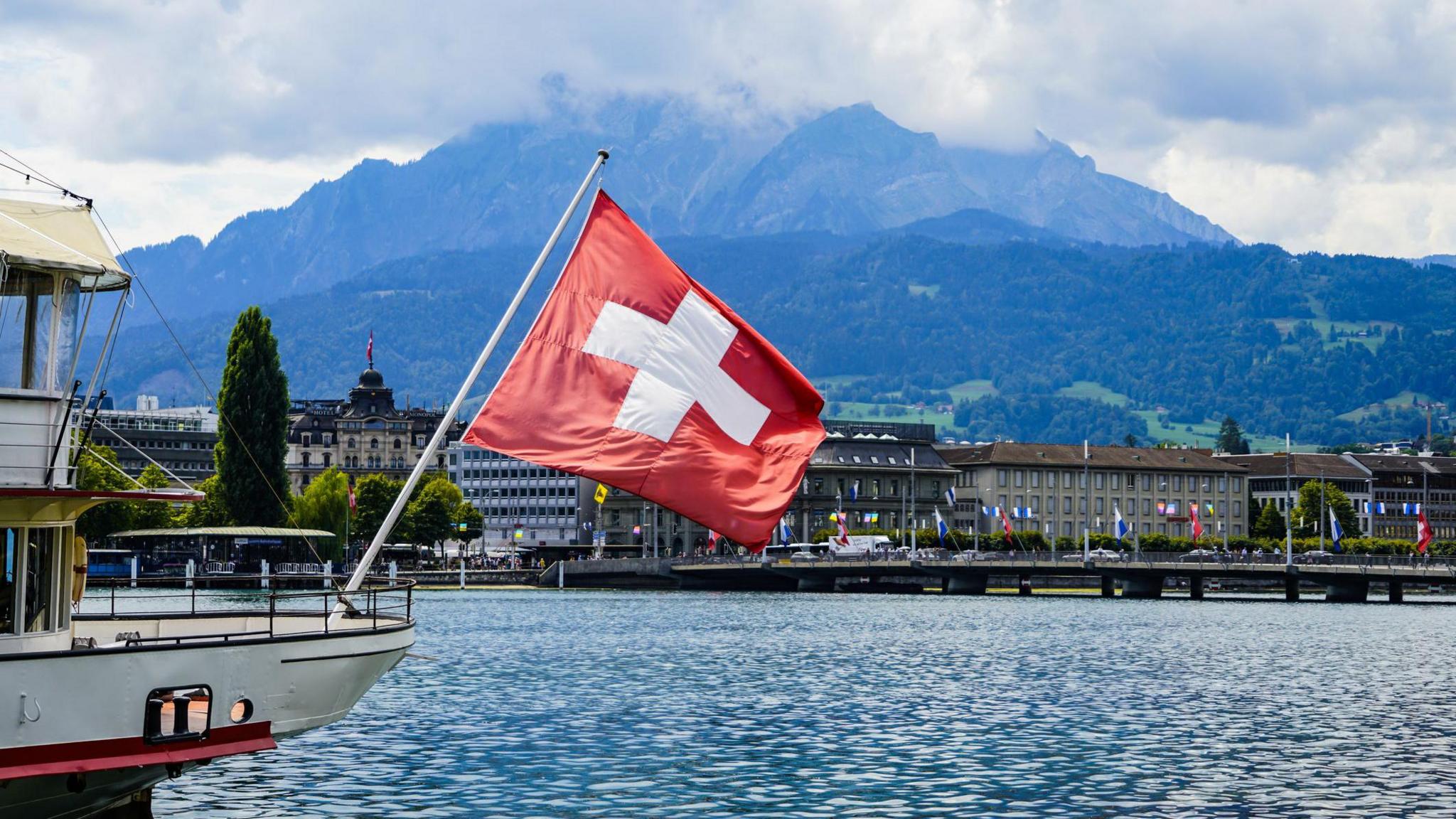
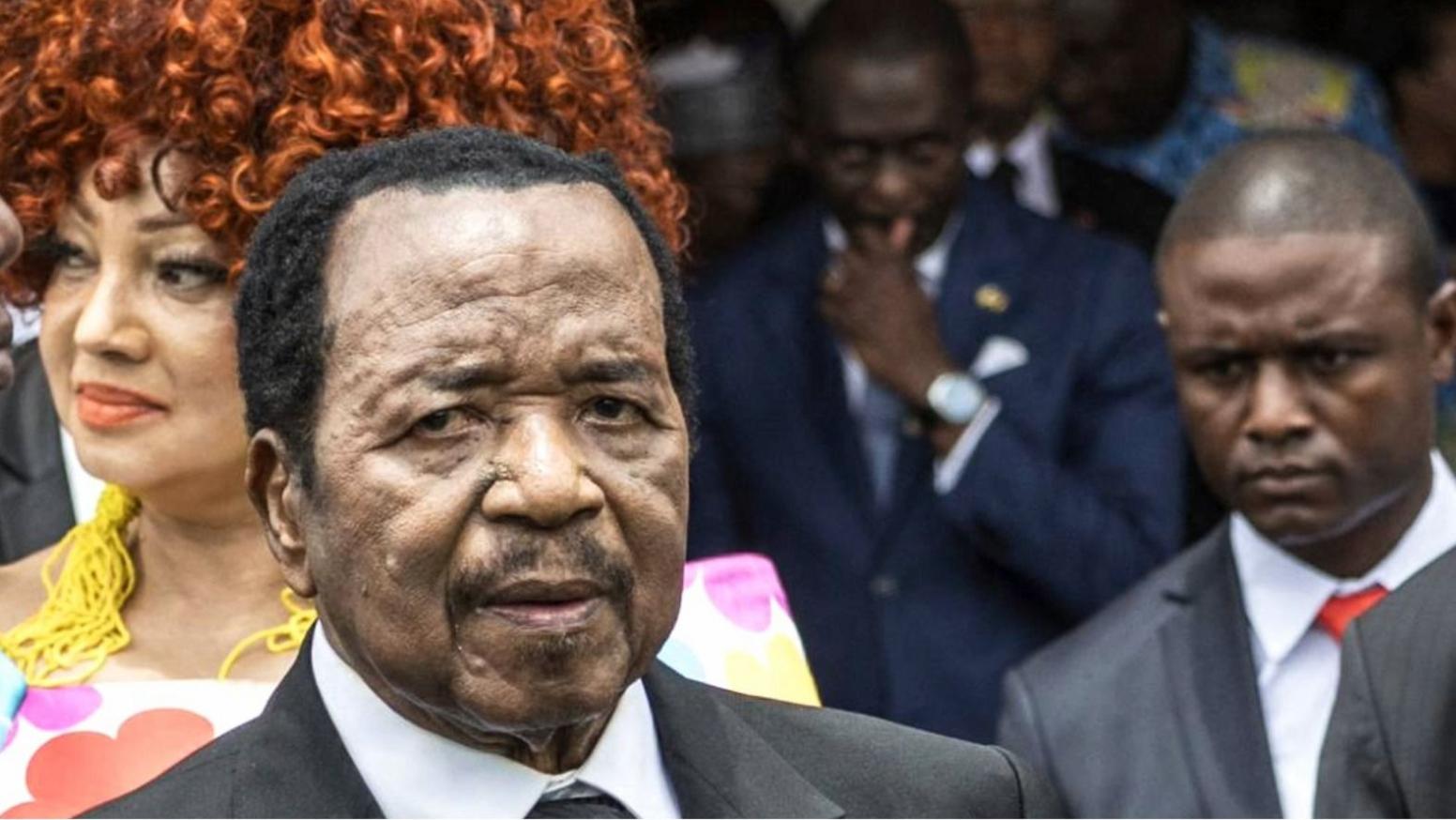
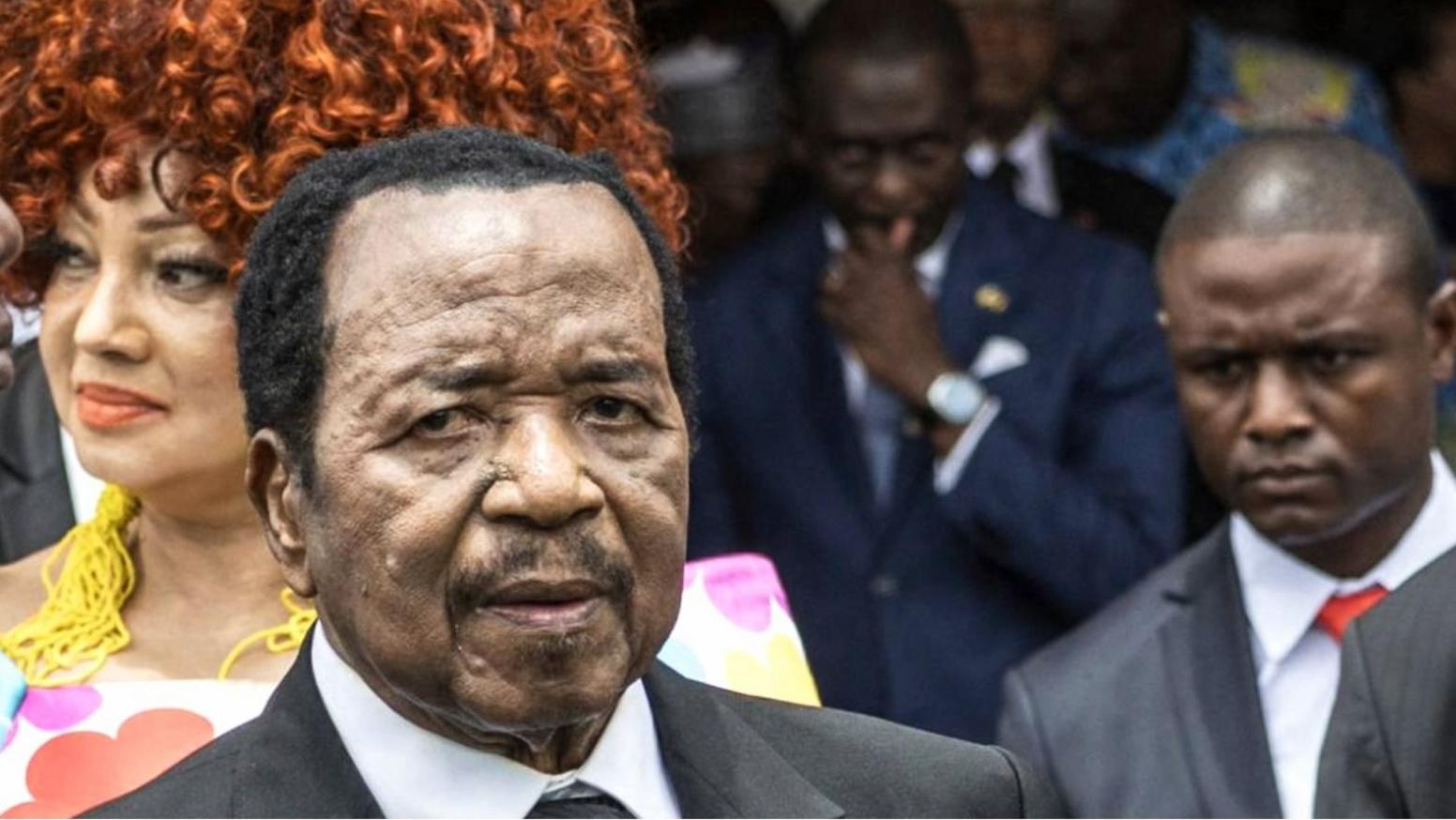
President Paul Biya, who has steered Cameroon for nearly five decades, recently announced a series of key appointments within the armed forces while remaining abroad in Geneva. The 93‑year‑old leader promoted five colonels to brigadier general and reassigned several senior officers to new commands, a move that signals a re‑balancing of internal power structures.
This cabinet reshuffle follows an unexpected coup in Gabon last year and a controversial bid for a third consecutive presidential term in 2025, both events that intensified scrutiny of Cameroon’s political stability. Critics of the reshuffle interpret the timing as a sign of potential vulnerability, with concerns that prolonged absence could undermine the country’s capacity to manage climate‑related security threats.
While the government has dismissed rumours about the president’s health and pledged his imminent return to Yaoundé, opposition figures—particularly from the CRM party—warn of an “institutional vacuum” that could delay crucial reforms aimed at addressing environmental degradation and resource extraction disputes.
The re‑organisation of Cameroon's military elite also raises questions about how national security will interface with climate‑adaptation strategies. As global attention turns to the country’s forests and biodiversity hotspots, stability at the top of the chain of command is critical for enforcing policies that curb illegal logging and support sustainable land use.
Biya’s actions, signed through decrees issued in Geneva, coincide with the signing of new loan agreements with major financial institutions, further tightening the country’s economic and environmental trade‑offs. The convergence of political maneuvers and fiscal commitments underscores how intertwined governance and ecological stewardship have become in Cameroon’s future.
AFP via Getty Images