In brief
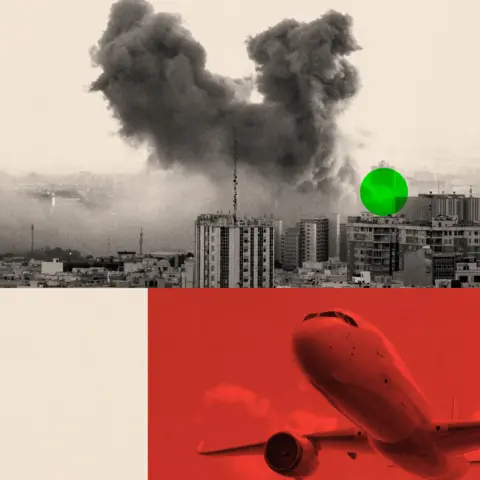
The ongoing conflict in the Middle East has drastically impacted global aviation, particularly the Gulf airlines that serve as crucial transit hubs. With grounded flights and rising fuel prices, experts speculate on the long-term consequences for the aviation model that has reshaped travel. As aviation authorities navigate the chaos, passenger experiences reveal increased concern over safety and reliability. While some believe recovery is possible, others predict that the reputational damage may linger, affecting the Gulf's role in long-distance aviation.
The transformation of Dubai's aviation landscape has been dramatic, evolving from a mere refueling stop to a bustling international hub. With over 92 million passengers in 2024 alone, Dubai International Airport (DXB) leads the world in international passenger traffic. Yet, the current turmoil in the Middle East, particularly the escalating conflict, threatens to reshape the aviation industry significantly.
As the conflict escalated, flights through some of the most critical airspace were halted, resulting in widespread flight cancellations and thousands of passengers stranded across the Gulf region. Major airports in Abu Dhabi and Doha, while not as crowded as Dubai, also experienced significant disruptions, leaving air traffic heavily impacted.
Fuel supplies have become critical, particularly as routes through the Strait of Hormuz have been compromised due to geopolitical tensions. With European jet fuel imports heavily reliant on Gulf production, price hikes and potential scarcities threaten to escalate operational costs, prompting carriers to re-evaluate flight schedules and frequency.
In the short term, higher operational costs will likely lead to increased ticket prices, while the long-term viability of the Gulf aviation model, which transformed and streamlined international travel, faces uncertainty. Industry insiders express concerns regarding the 'Gulf model' that connected far-flung global cities and made long-haul travel financially accessible.
Passenger Experiences
The chaos following the initial airspace closures left thousands of passengers in limbo, leading to a flurry of frustrated public outcry via social media. Stranded travelers reported harrowing experiences, with instances of passengers having to turn back mid-flight or stay long periods at airports or hotels due to scheduling nightmares.
Airlines rapidly initiated limited services to repatriate stranded flights, but the disruption showcased the fragility of relying heavily on a few key transit hubs.
Future Implications for the Gulf Aviation Model
The longstanding success of Gulf carriers depends on a stable geopolitical climate which now looks precarious. Should the conflict continue, the ability for these airlines to rebound effectively comes into question. Passengers are likely to seek alternative routes, leading to a potential shift in the international travel landscape towards other hubs in Asia or Europe.
Experts agree that the successful aviation framework that has allowed for the growth of the Gulf hubs could see its effectiveness diminished if safety concerns persist.
Conclusion
As the aviation industry watches and waits, the conflict's grip on the region underscores the stakes involved in global travel. The Gulf presents a unique opportunity for efficient long-distance transit, but whether it can maintain this status in a tumultuous geopolitical landscape remains uncertain. The longer the disruption continues, the greater the risk of lasting damage to the Gulf’s cherished aviation model and the associated tourism and business sectors.