The guns were supposed to have fallen silent. It was, after all, just hours after US President Donald Trump had announced that a two-week ceasefire had been agreed to halt the war in the Middle East.
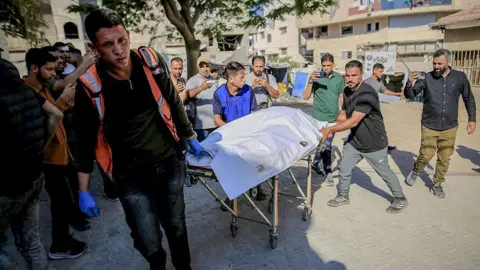
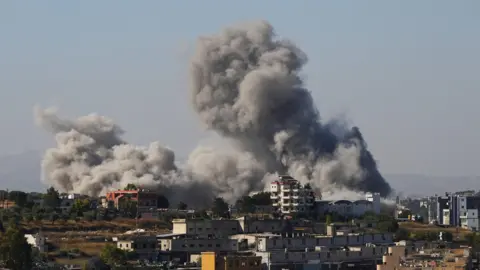
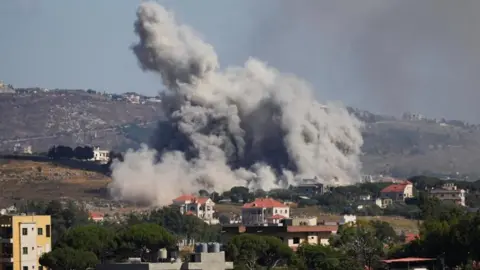
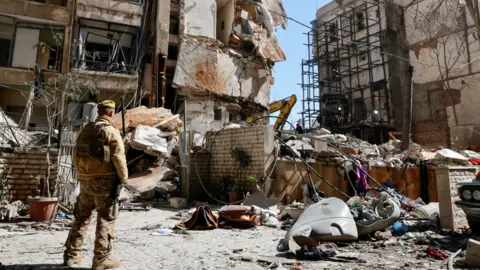
But just as the region was breathing a sigh of relief, Israeli jets conducted a 10-minute blitz across Lebanon - a massive aerial attack that killed at least 203 people and wounded more than 1,000 others, according to Lebanon's health ministry.
Local and Western condemnation was swift and widespread, but no criticism came from the US against its ally in this war.
Iran said this was a grave violation of the ceasefire deal and has asked the US to halt the Israeli aggression.
Lebanese officials say more than 1,700 people have been killed since Israel launched its latest campaign in Lebanon last month. Israel has said its operations are aimed at weakening Hezbollah and achieving what it calls remaining military objectives.
The war began with US and Israeli strikes on Iran on 28 February - prompting retaliation from Tehran against US allies in the Gulf, and from Iran's proxies - Hezbollah in Lebanon and the Houthis in Yemen - against Israel.
In response, Israel began striking Hezbollah and even ordered its troops to occupy large parts of Lebanon.
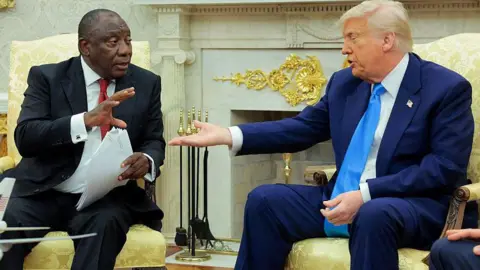
The two-week pause in the fighting was announced by Pakistan's Prime Minister Shehbaz Sharif - who has been serving as mediator between the warring parties. Sharif said the US and its allies have agreed to an immediate ceasefire everywhere including Lebanon and elsewhere.
But the government of Israeli Prime Minister Benjamin Netanyahu said the ceasefire did not include Lebanon.
Donald Trump also said Lebanon was not part of the deal because of Hezbollah. According to him, the war in Lebanon is a separate skirmish.
The Israel Defense Forces (IDF) said that within 10 minutes it had completed the largest co-ordinated strike across Lebanon since the start of Operation Roaring Lion - the code name for the Israeli operation against Iran. It said it had targeted 100+ Hezbollah headquarters, military arrays, & command-and-control centres in Beirut, Bekaa, and southern Lebanon.
Densely populated parts of central Beirut were hit in strikes described by officials as among the heaviest since Hezbollah joined the conflict in early March.
Amid national mourning as search and rescue operations continue, the civil defense team described this new assault as normal for them, though devastating for civilians caught in the conflict.
While Israel claims it's targeting Hezbollah, it's clear that widespread civilian casualties are a likely outcome of such aggressive military strategy. The long-term implications of these actions continue to raise questions about their effectiveness in neutralizing the threat from Hezbollah.
Irrespective of political divides, both Hezbollah supporters and opponents in Lebanon are united in their condemnation of this recent violence, with Iran hinting at larger geopolitical consequences should hostilities escalate.