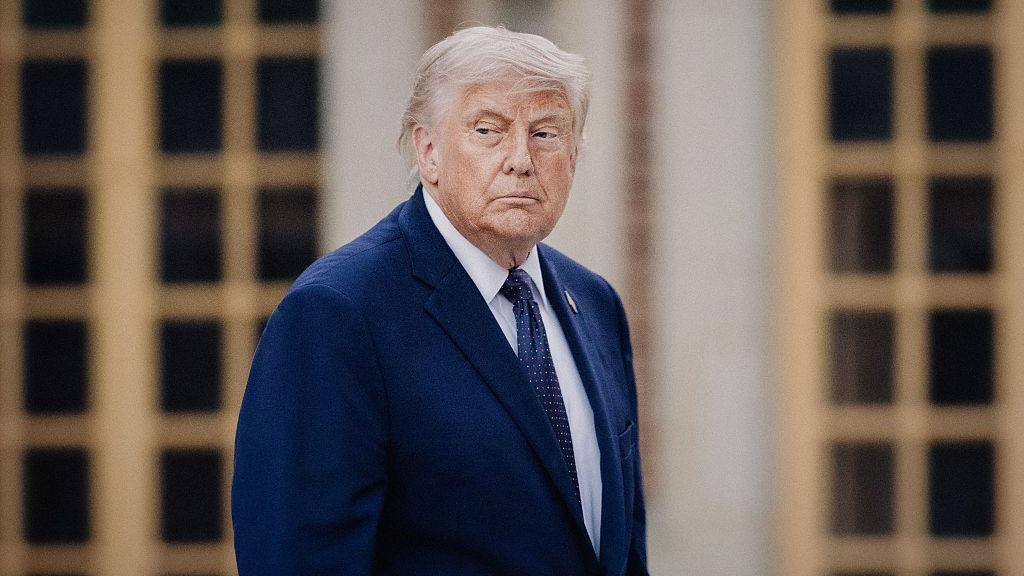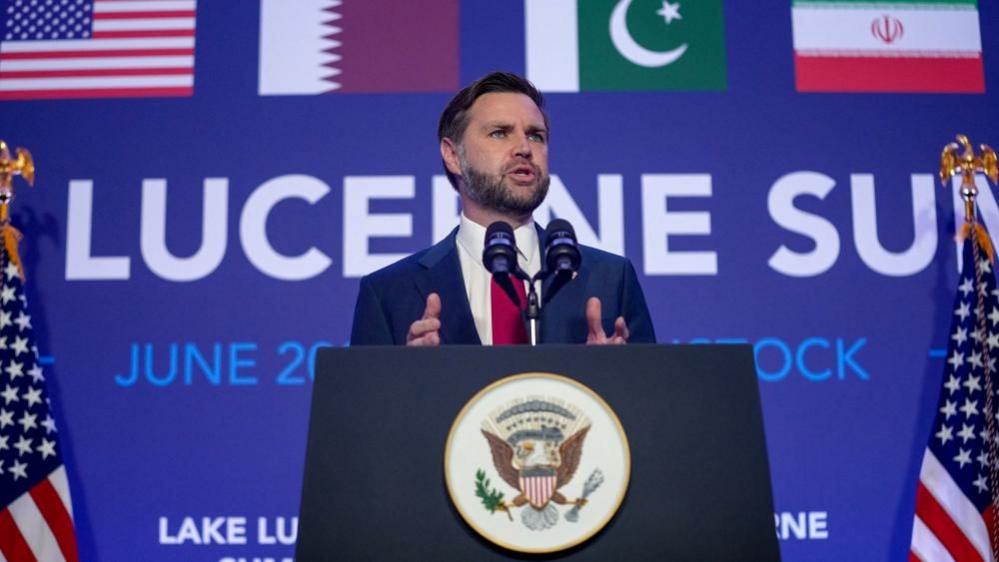
After a diplomatic team led by US Vice-President JD Vance tried, and failed, to reach a negotiated agreement to end the war with Iran on Saturday, President Donald Trump had to decide his next move.
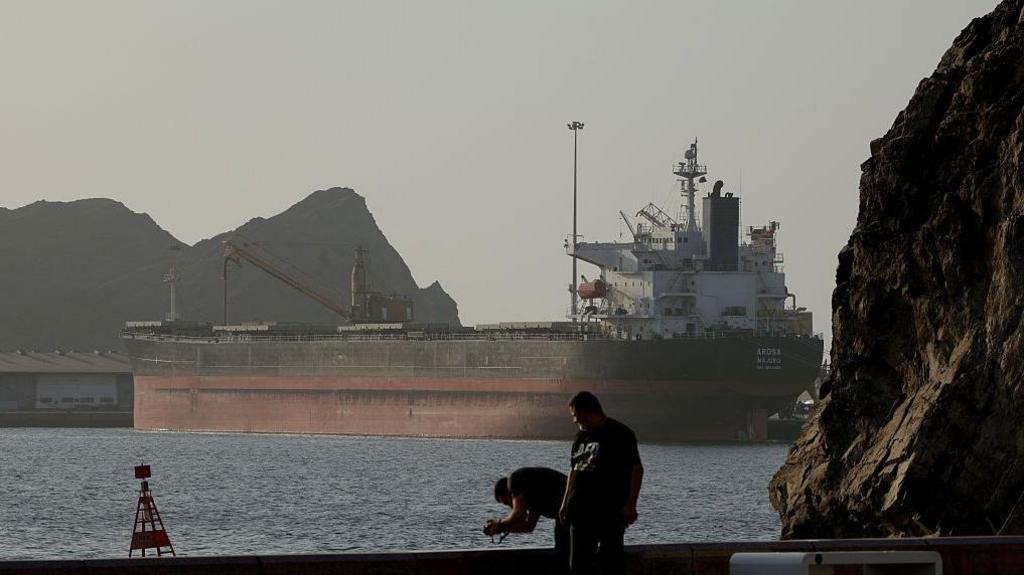
That came on Sunday morning, in a series of Truth Social posts. The US will impose a naval blockade of Iran, he wrote. No one who pays an illegal toll will have safe passage on the high seas, he stated.
Trump also emphasized that the US would continue clearing mines from the Strait of Hormuz to ensure a safe passage for allied shipping. The US military, he added, was locked and loaded and prepared to resume attacks against Iran at an appropriate moment.
While progress had been made in the recent negotiations in Islamabad, neither party could reach an agreement regarding Iran's nuclear ambitions, which contributed to the blockade threat.
Analysts suggest that Trump's posts indicate new challenges and risks for the American side, notably regarding potential Iranian retaliation against US ships and the broader geopolitical implications of the blockade.
Later announcements clarified that the blockade would stop all ships traveling to or from Iranian ports, intensifying concerns about possible military escalations.
As the threat of renewed conflict looms, multiple questions arise: How will the US enforce this blockade, and what response can be expected from countries reliant on Iranian oil?
Despite Trump's assertion that negotiations will ultimately lead to the US getting everything it wants from Iran, skepticism remains among lawmakers and experts about the potential fallout of these aggressive tactics.
As of now, the conflict appears to be a test of wills between Iran's resilience and Trump's capacity to manage the political fallout back home amid the uncertainty surrounding the ongoing war efforts and the midterm elections.