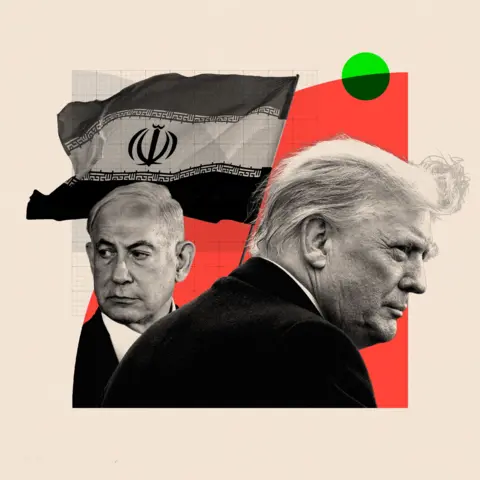
The best hope for the ceasefire talks in Pakistan is that both the United States and Iran have strong reasons to call a halt to the war. The biggest obstacle to their success is a total absence of trust, no discernible common ground, and the fact that Israel, America’s full partner in the war, has hugely escalated its onslaught on Lebanon.
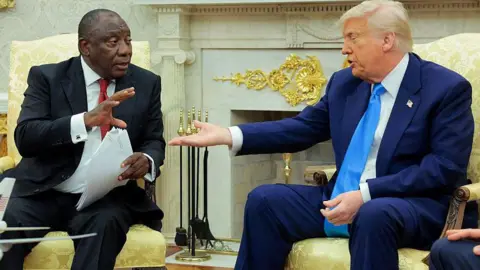
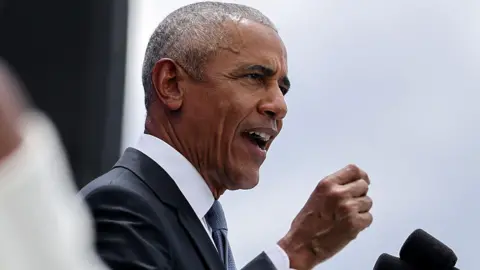
US President Donald Trump is already speaking about the war in the past tense. He has declared victory and needs an exit. Not only does he have a state visit from King Charles in the diary for later this month, followed by a summit with China's President Xi Jinping in May, there are midterm elections in November. With America's summer holiday season looming, Trump also needs petrol prices to fall back to pre-war levels. Royal visits, summits, and elections do not mix well with wars.
Iran's regime has its reasons to end the conflict as well. While it maintains a defiant stance, able to launch missiles and drones, the economic impact of the war has been significant, causing cities to grind to a halt. Additionally, the Pakistani intermediaries tasked with facilitating dialogue have a difficult job, as the positions of both sides are extremely far apart.
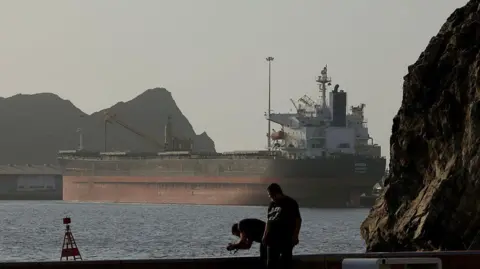
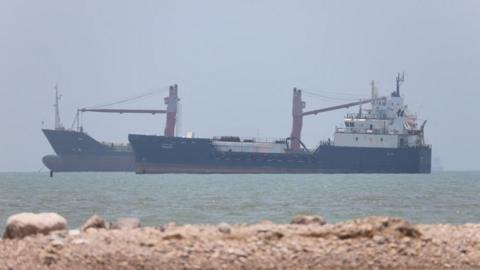
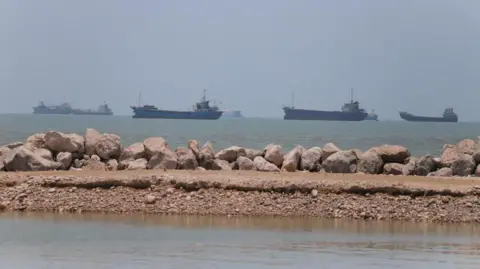
Trump's unpublicized 15-point plan appears more as a document for surrender rather than negotiation, while Iran's own demands have consistently been rejected by the US. Establishing a ceasefire will require ongoing dialogue on the contentious issues, particularly regarding the logistics of reopening the strategically vital Strait of Hormuz, which remains a bargaining chip in negotiations.
The consequences of the ongoing conflict are already reshaping Middle Eastern geopolitics. The war has inflicted substantial losses on Iran, but its resilience highlights that regime change is out of reach for US and Israeli aspirations. Instead, Iran's capacity to launch counterattacks demonstrates that the ability to disrupt shipping routes will likely become entrenched in future negotiations.
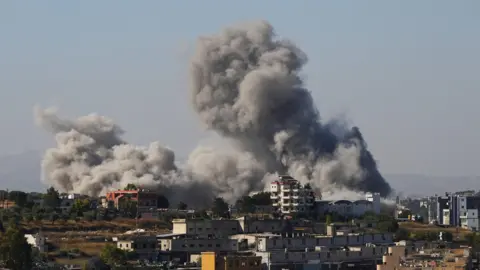
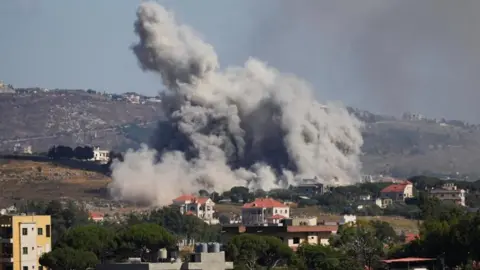
Amid the turmoil, Israeli attacks have further complicated ceasefire efforts, with recent airstrikes intensifying violence in Lebanon and causing widespread devastation. The Houthis, allied with Iran in Yemen, threaten maritime routes in the south, further complicating the dynamics of the region.
As the US seeks to navigate this complex diplomatic landscape, many Arab states are reevaluating their alliances, wary of the long-term impact of US policies. China and Russia are closely monitoring the situation, ready to capitalize on any gaps left by American strategies. In this fraught atmosphere, fears persist for the millions caught in the crossfire, raising the stakes for peace talks and future regional stability.